Aadhaar Biometric Authentication Must For Subsidised LPG Refills From October
Source Entity
NDTV News Search Records Found 1000
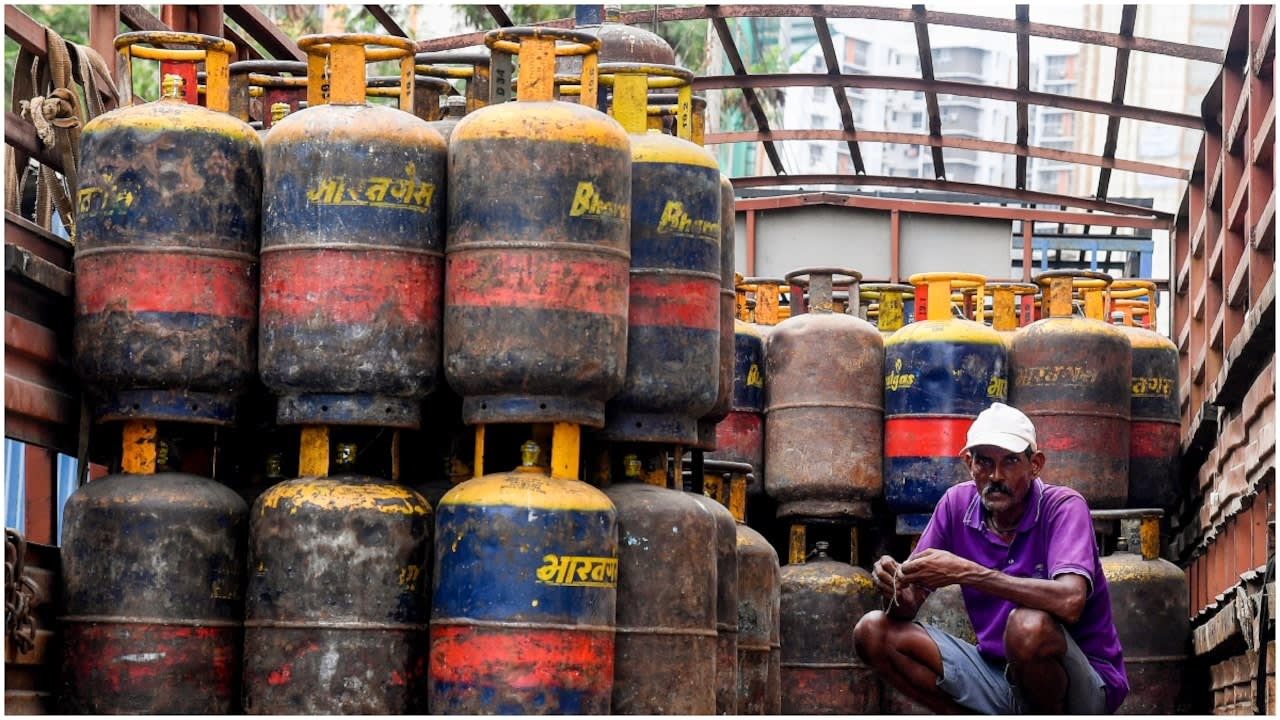
Starting October 1, 2026, Biometric Aadhaar Authentication (BAA) becomes mandatory for domestic LPG consumers to receive government subsidies. While non-compliant users can still receive cylinders, they will be charged the full market price.
Transitioning to Mandatory Biometric Authentication for LPG
Starting October 1, 2026, the Ministry of Petroleum and Natural Gas is implementing a critical shift in how domestic LPG subsidies are distributed. The core of this policy is the mandatory requirement for Biometric Aadhaar Authentication (BAA) to qualify for regulated retail selling prices (RSP) on cylinder refills. This initiative represents a broader push toward digital governance and fiscal efficiency, ensuring that subsidies are accurately targeted at verified, active domestic consumers.
Current Progress and Implementation
As of September 19, the transition has seen significant success, with 89.9% of the 27.43 crore active domestic LPG consumers having already completed the biometric verification process. For these users, the Ministry has confirmed that no further action is required. This high adoption rate suggests that the government’s awareness campaigns have been effective, streamlining the administrative burden for the vast majority of the population before the October deadline.
Understanding the Consequences of Non-Compliance
It is important to clarify that the policy does not result in a total cessation of fuel supply for those who have not completed the BAA. Consumers who fail to authenticate will not be blocked from receiving LPG cylinders; however, they will lose eligibility for the government subsidy. Consequently, these individuals will be required to pay the full, prevailing market price for their refills. This structure functions as both an incentive for compliance and a mechanism to protect the exchequer from leakages.
Methods for Authentication
To ensure accessibility, the government has provided multiple avenues for consumers to complete their BAA. Verification can be performed during the physical delivery of an LPG cylinder, at the local distributor’s showroom, or via the mobile applications provided by the respective oil marketing companies. These diverse options are designed to accommodate varying levels of digital literacy and accessibility across urban and rural demographics.
Broader Implications for Subsidy Reform
This move is part of a larger ongoing strategy to modernize India’s welfare distribution systems. By linking subsidy benefits directly to biometric Aadhaar data, the Petroleum and Natural Gas Ministry is reinforcing a robust verification framework that minimizes the scope for ghost beneficiaries or unauthorized diversion of subsidized goods. This not only safeguards public funds but also aligns with the national goal of digitizing essential services for greater transparency.
Future Trends and Outlook
Looking ahead, the successful integration of BAA for LPG sets a precedent for other utility-based subsidy programs. As the government continues to prioritize digital identity verification, we can expect similar mandates to potentially extend to other essential commodities or services. The focus remains on leveraging technology to ensure that the intended beneficiaries receive support directly, while simultaneously phasing out inefficiencies in the supply chain. For the consumer, staying informed and completing the verification process is now essential to maintaining affordable access to domestic energy.
Verification Required?