Who are you calling ugly?: A look at the legacy of the artist Lucian Freud
Source Entity
Latest News: Todays Latest News Headlines from India & World | Hindustan Times | Hindustan Times
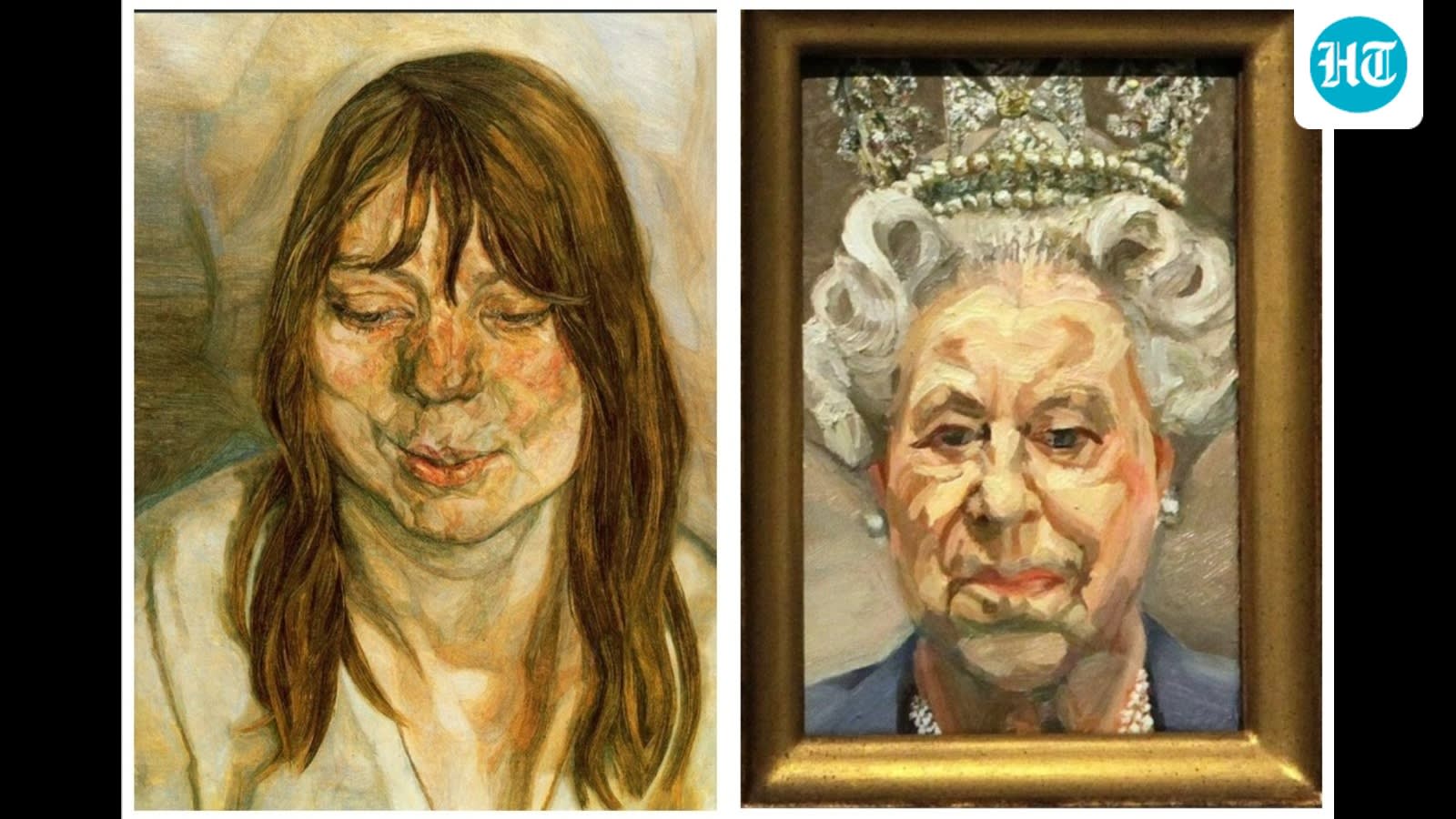
Lucian Freud's artistic legacy is being re-examined through current museum retrospectives highlighting his unflinching, visceral depiction of the human form. His work stands in stark contrast to modern beauty standards, marking a shift toward valuing raw, authentic representation.
The Unflinching Gaze: Re-evaluating Lucian Freud
Lucian Freud remains one of the most polarizing and significant figures in 20th-century figurative art. Known for his uncompromising approach to portraiture, Freud rejected the idealized standards of beauty that dominated much of art history. By focusing on the raw, unvarnished reality of the human body—characterized by sagging skin, blotchy pigmentation, and awkward, vulnerable postures—he challenged viewers to confront the physical truth of the human condition.
The Evolution of a Visionary
A fascinating entry point into his development is his 1947-48 work, Self-Portrait with Hyacinth in Pot. Created when the artist was just 25, this two-dimensional sketch offers a rare, composed, and almost handsome representation of himself. It serves as a stark baseline against which his later, more visceral paintings can be measured. Unlike the later works that would define his legacy, this early sketch suggests a period of technical discipline before he fully embraced the gritty, hyper-realistic style that would become his hallmark.
Confronting the 'Ugly' Aesthetic
As Freud matured, his work moved away from the delicate precision of his youth toward a heavy, layered application of paint that emphasized the texture of flesh and the weight of the body. Works such as Solicitor’s Head (2003), completed in his twilight years, demonstrate his lifelong commitment to observing the aging process with clinical intensity. By choosing to depict subjects with such unflinching honesty, Freud effectively stripped away the vanity usually associated with portraiture, forcing a dialogue about what constitutes 'beauty' in art.
A Counter-Cultural Legacy
In our contemporary era, which is frequently dominated by digital filters and airbrushed perfection, Freud’s legacy feels more relevant than ever. His refusal to sanitize his subjects offers a refreshing, albeit challenging, alternative to the curated images that saturate modern media. The current museum tributes to his work serve as a reminder that the 'essential ugliness' he once explored is, in reality, a profound celebration of the human narrative.
Future Trends in Figurative Art
Looking ahead, the renewed interest in Freud’s oeuvre signals a broader shift in the art world toward authenticity. As audiences become increasingly fatigued by artificial perfection, the demand for art that captures the 'human condition'—with all its flaws and physical decay—is likely to grow. Freud’s influence will undoubtedly continue to inspire a generation of artists who prioritize emotional and physical truth over superficial aesthetic appeal.
Verification Required?