Lucknow biryani stall owner brutally beaten, police seize meat for test
Source Entity
Manish Sahu
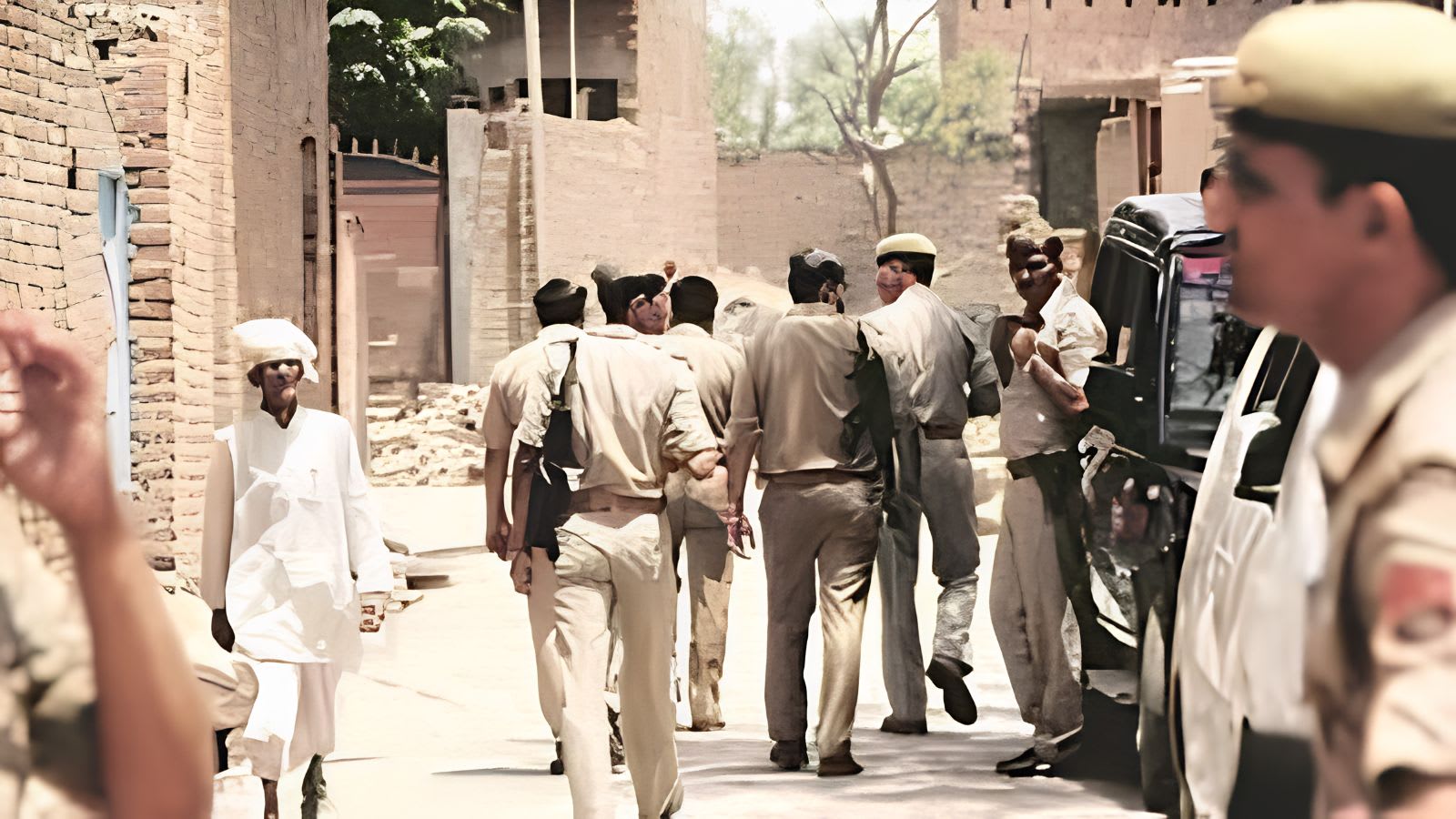
A biryani stall owner in Lucknow was assaulted by three individuals who falsely accused him of carrying prohibited meat. Local authorities have intervened, seizing the meat for forensic testing while launching an investigation into the violent incident.
Violent Assault on Biryani Stall Owner in Lucknow
A disturbing incident of vigilantism unfolded in the Itaunja area of Lucknow, where a 40-year-old biryani stall owner, identified as Rizwan, was subjected to a brutal physical assault. The victim, who operates a stall near Badi Masjid in Mahona, was intercepted while transporting meat for his business on a Sunday morning. Three individuals in their 20s confronted Rizwan, leveling accusations that he was in possession of prohibited meat, before proceeding to physically attack him and issue death threats.
The Role of Social Media and Vigilantism
The incident gained significant public attention after a video of the assault went viral across social media platforms. This footage captured the intensity of the violence, highlighting a growing trend where individuals take the law into their own hands based on unverified suspicions. In this case, the intervention of local residents was critical in de-escalating the situation and preventing further harm to the stall owner, whose livelihood and personal safety were directly compromised by the mob's actions.
Official Response and Legal Procedure
Law enforcement authorities have taken cognizance of the matter, initiating a formal investigation into the assault. A central component of this process involves the seizure of the meat in question, which has been sent to a veterinary officer for laboratory testing. This step is essential to establish the facts of the case and determine whether the accusations made by the assailants hold any legal merit or if the assault was purely motivated by prejudice.
Broader Implications for Local Commerce
This event underscores the precarious environment faced by small-scale food vendors who are increasingly vulnerable to harassment under the guise of moral or legal policing. When citizens act as self-appointed enforcers, it creates an atmosphere of fear that disrupts local economies and undermines the rule of law. The reliance on veterinary testing serves as a necessary procedural safeguard to ensure that justice is based on objective evidence rather than hearsay or communal tension.
Historical Context of Food-Based Vigilantism
In recent years, similar incidents involving accusations regarding meat consumption or trade have occurred across various regions in India, often leading to significant social friction. These episodes frequently highlight the tension between local trade practices and the enforcement of specific state regulations. The Lucknow incident adds to a series of cases where law enforcement must balance the need for public order with the protection of individual citizens from extrajudicial violence.
Future Trends and Conclusion
Moving forward, the outcome of the veterinary report will be pivotal in shaping the legal consequences for the three accused individuals. If the testing reveals the meat to be legally permitted, it will further expose the malicious nature of the assault, potentially leading to stricter charges. Ultimately, the resolution of this case will serve as a bellwether for how local authorities in Lucknow handle instances of vigilantism, emphasizing the need for legal due process over mob violence to maintain communal harmony.