India’s first private train: Lucknow-Delhi Tejas Express to run as ‘Sprite Tejas Express’
Source Entity
Anish Mondal
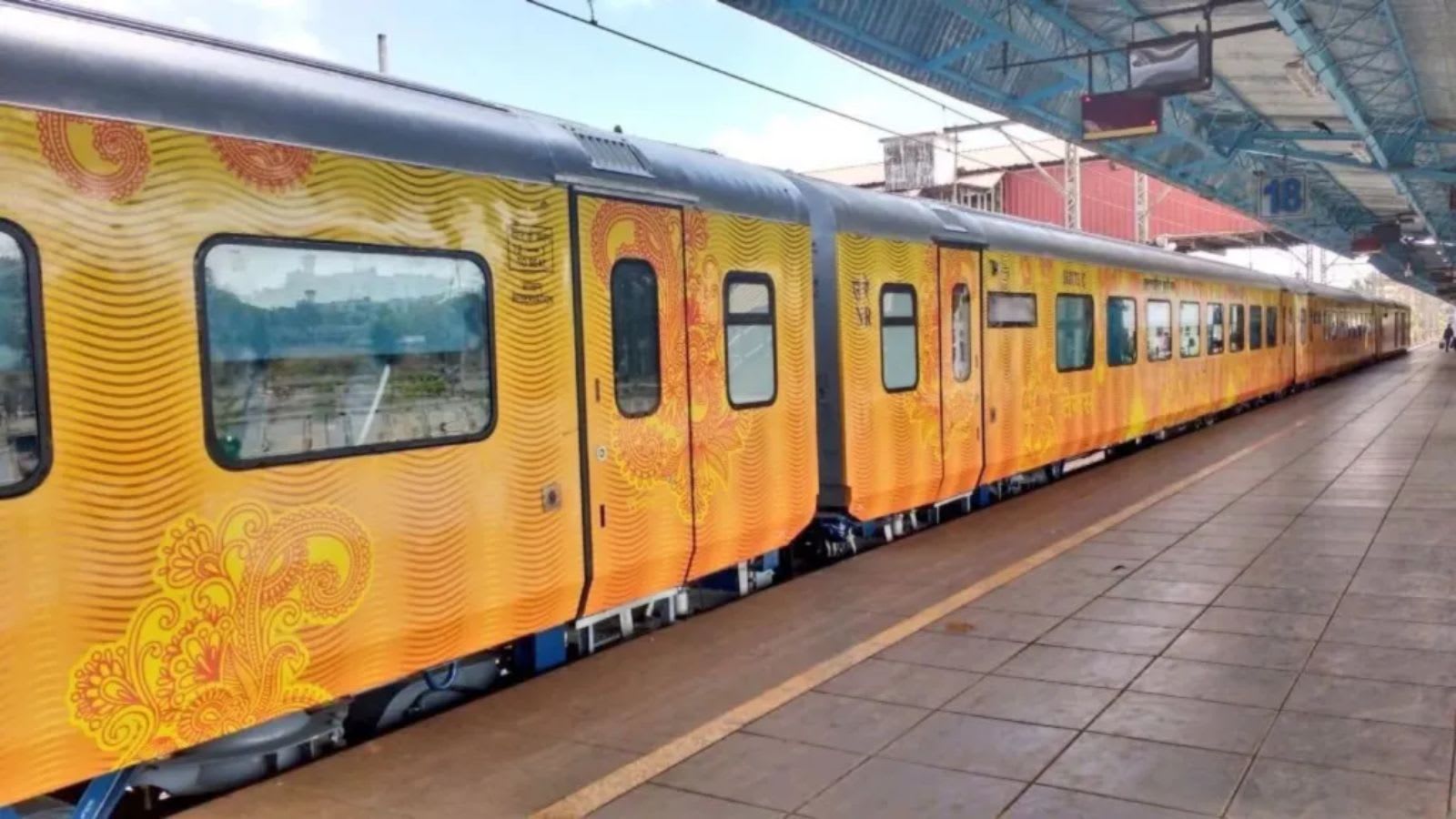
India's inaugural private train, the Lucknow-Delhi Tejas Express, has been rebranded as the 'Sprite Tejas Express'. This marketing partnership between IRCTC and the beverage brand highlights a new trend in commercializing public-private rail assets.
The Commercial Rebranding of India’s Rail Infrastructure
The recent announcement that the Lucknow-Delhi Tejas Express—India's first private train—will be rebranded as the 'Sprite Tejas Express' marks a significant shift in how the Indian railway sector leverages its assets for commercial partnerships. Launched in 2019, the Tejas Express was a landmark initiative operated by the Indian Railway Catering and Tourism Corporation (IRCTC), representing the first major step toward private-public participation in the country's vast rail network. This rebranding exercise, while primarily a marketing endeavor, signals the beginning of a broader trend where transit infrastructure is increasingly used as a canvas for corporate branding.
Understanding the Tejas Express Model
The Tejas Express is not merely a train but a symbol of modern rail aspirations in India. Manufactured at the Rail Coach Factory in Kapurthala, these coaches were designed to offer a premium, semi-high-speed experience. The train was engineered with the capability to reach speeds of up to 200 kmph, showcasing the potential for rapid transit between major economic hubs like Lucknow and Delhi. By positioning the train as a semi-high-speed service, the Ministry of Railways aimed to compete with domestic aviation, offering passengers a more comfortable and reliable alternative to air travel.
Operational Realities and Constraints
While the technical specifications of the Tejas Express are impressive, the service faces practical limitations. Despite the rolling stock's ability to hit 200 kmph, track-related restrictions currently limit the train's operational speed. This gap between potential performance and actual delivery highlights the ongoing challenge of modernizing India’s legacy rail infrastructure to support high-speed operations. The rebranding to 'Sprite Tejas Express' does not alter these operational realities, but it does serve to subsidize the high maintenance costs associated with running such a premium service.
The Economics of Corporate Partnerships
For the IRCTC, partnering with a global brand like Sprite provides a steady revenue stream that helps offset the costs of maintaining high-end onboard facilities. This strategy mirrors global transit models, such as those seen in urban metro systems where station naming rights or interior advertising are common. By monetizing the 'exterior' of the train, the railway is effectively diversifying its income beyond simple ticket sales. This is crucial for the long-term sustainability of private-run train experiments in a price-sensitive market like India.
Future Trends in Indian Rail Advertising
Looking ahead, we can expect to see more such collaborations across the Indian railway network. As the government continues to encourage private investment in train operations, companies will likely seek out branding opportunities that provide high visibility among the traveling middle class. The success of the 'Sprite Tejas Express' will likely be used as a case study by the Ministry of Railways to attract further corporate interest, potentially leading to a wave of branded transit corridors across the country.
Conclusion
The transformation of the Lucknow-Delhi Tejas Express into the 'Sprite Tejas Express' is a pragmatic move that bridges the gap between state-run infrastructure and private sector marketing. While the train continues to provide the same level of service and comfort that passengers have come to expect since 2019, the new branding represents a new era of financial engineering within the Indian rail system. It remains to be seen how passengers react to the heavy branding, but from a fiscal perspective, it is a clear indicator of how India intends to fund its future transport ambitions.