Lucknow’s active H1N1 caseload rises to 63 as 11 new infections reported
Source Entity
Latest News: Todays Latest News Headlines from India & World | Hindustan Times | Hindustan Times
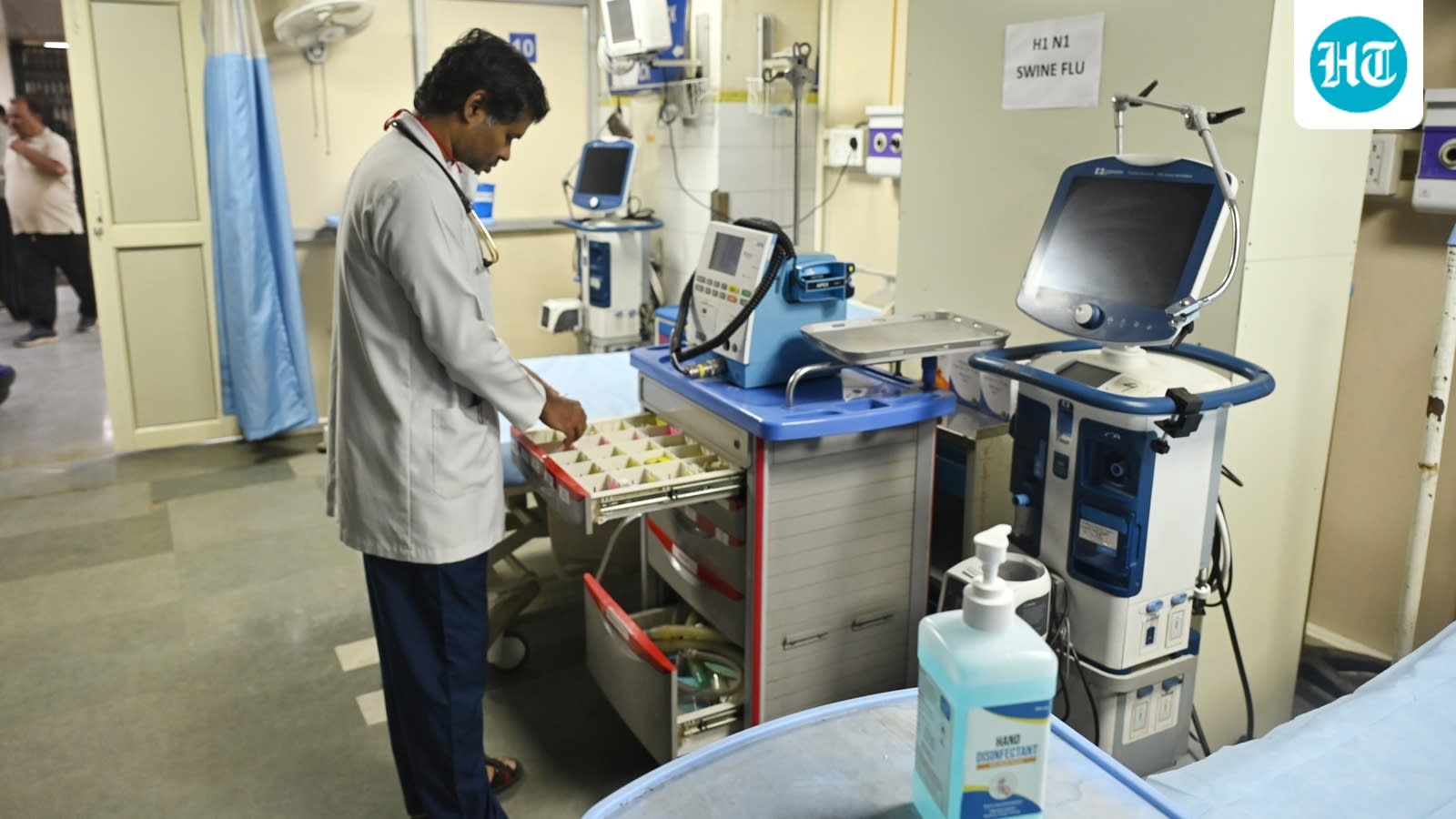
Lucknow has reported 11 new H1N1 cases, bringing the city's active caseload to 63 following a recent seasonal death. Health authorities have ramped up surveillance and hospital screening to manage the uptick in infections.
Surge in H1N1 Cases in Lucknow: An Epidemiological Overview
Recent data from Lucknow health officials indicates a concerning uptick in H1N1 (swine flu) infections, with 11 new cases reported on a single Saturday. This brings the city's total active caseload to 63. While the majority of these patients are currently managed through home isolation, the necessity for hospitalization in two instances highlights the persistent clinical risks associated with the virus, even as the region transitions through the current seasonal cycle.
Analyzing the Clinical Response
The local health infrastructure, led by Chief Medical Officer Dr. NB Singh, has implemented a tiered response strategy. To date, 20 patients have required inpatient care, with 17 successfully recovered and discharged. This recovery rate underscores the effectiveness of current clinical protocols, yet the recent fatality—a 50-year-old woman who passed away on August 27—serves as a stark reminder of the virus's potential severity. The health department has responded by intensifying contact tracing and mandating stricter infection-control measures across hospitals.
Broader Implications and Public Health Context
The rise in H1N1 cases in Lucknow is not an isolated event, as evidenced by reports of high-profile cases, such as the infection of Lahaul & Spiti MLA Anuradha Rana. Influenza A (H1N1) remains a significant public health concern due to its rapid transmission potential. The current surge necessitates a heightened state of vigilance, particularly as the virus continues to circulate in the population, potentially impacting vulnerable demographics if preventive measures are not strictly adhered to by the public.
Preventive Measures and Future Trends
Moving forward, the primary objective for Lucknow’s health authorities is to flatten the transmission curve through proactive screening and community awareness. Residents are being strongly advised to prioritize hygiene and follow established preventive guidelines to mitigate the spread. The health department's decision to strengthen surveillance suggests that they are preparing for a sustained period of viral activity, aiming to prevent a further escalation that could strain local hospital resources.
Conclusion: A Call for Sustained Vigilance
While the current situation remains under active management, the transition from sporadic cases to a cluster-based spread warrants continued monitoring. The combination of rigorous hospital-level screening, early identification of symptoms, and public compliance with isolation protocols remains the most effective defense against H1N1. As the city navigates this seasonal spike, the coordination between medical professionals and the public will be the deciding factor in curbing the infection rate and preventing further mortality.
Verification Required?