How long can you really use eye drops after opening them?
Source Entity
The Indian Express
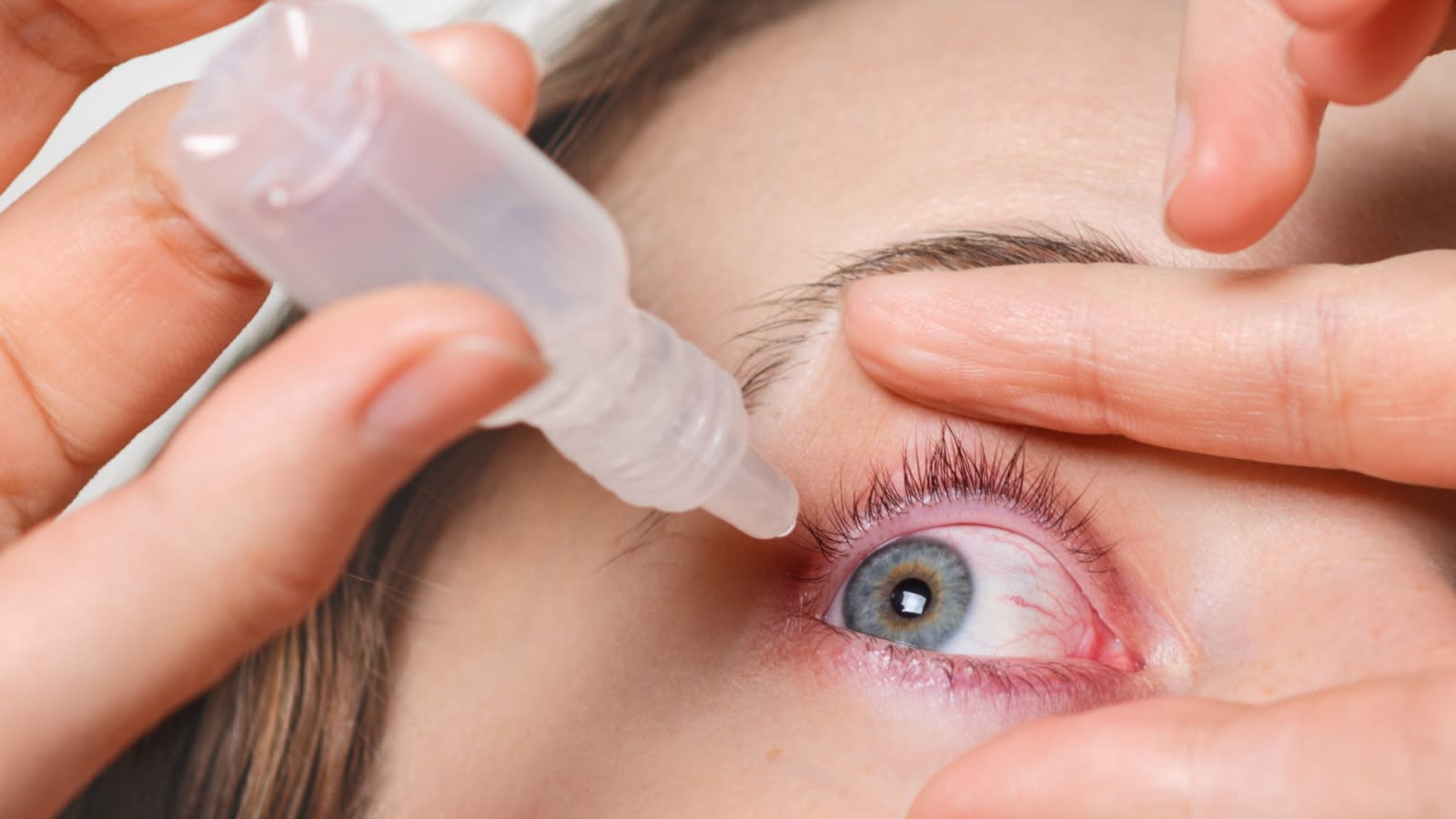
While eye drop bottles often have long expiry dates, they can become contaminated shortly after opening. Ophthalmologists advise caution regarding multi-dose bottles, emphasizing that the one-month rule is not universal and requires professional guidance.
The Hidden Risks of Eye Drop Contamination
When managing ocular health, patients often rely on the printed expiry date on their medication packaging as a definitive guide for safety. However, as medical experts like Dr. Purendra Bhasin of Ratan Jyoti Netralaya point out, this date typically refers to the product's stability while sealed. Once the protective seal is broken, the integrity of the solution is compromised by the environment.
The Impact of Environmental Exposure
Every time an eye drop bottle is opened, it is exposed to ambient air, dust, and potential contact with the skin or the eye itself. This repeated handling creates a pathway for microorganisms to enter the bottle. What was once a sterile solution can quickly become a breeding ground for bacteria or fungi, transforming a necessary treatment into a significant source of ocular infection.
Challenging the One-Month Rule
A common piece of medical advice circulating in public health spheres is the 'one-month rule,' which suggests that all eye drops should be discarded thirty days after opening. While this serves as a conservative safety measure, Dr. Bhasin highlights that it is not a one-size-fits-all mandate. The shelf life of an opened bottle depends heavily on the specific formulation and the presence of preservatives.
Understanding Multi-Dose Formulations
Many multi-dose eye drops are designed with specific preservative systems to inhibit microbial growth, yet these systems are not infinite. The risk of contamination is cumulative; the more frequently a bottle is used, the higher the likelihood of introducing contaminants. Patients must distinguish between different types of drops, as some preservative-free single-use vials are inherently safer but carry different usage protocols compared to traditional bottles.
Best Practices for Ocular Hygiene
To mitigate these risks, patients should prioritize proper hygiene when administering drops. This includes washing hands thoroughly, avoiding contact between the dropper tip and any surface—including the eyelid or eyelashes—and storing the medication according to the manufacturer’s instructions. Even with these precautions, the risk of contamination necessitates a cautious approach to long-term storage.
Conclusion: Consult Your Specialist
Ultimately, the safest course of action is to consult an ophthalmologist regarding the specific medication being used. Since individual eye health needs vary, professional guidance remains the gold standard for determining how long a specific bottle can be kept. Never assume that an unopened shelf life equates to post-opening safety, and when in doubt, it is far safer to replace the bottle than to risk a secondary infection.