Elevate rice with this one ingredient for ‘6gm more protein’ and ’10 gm more fibre’
Source Entity
The Indian Express
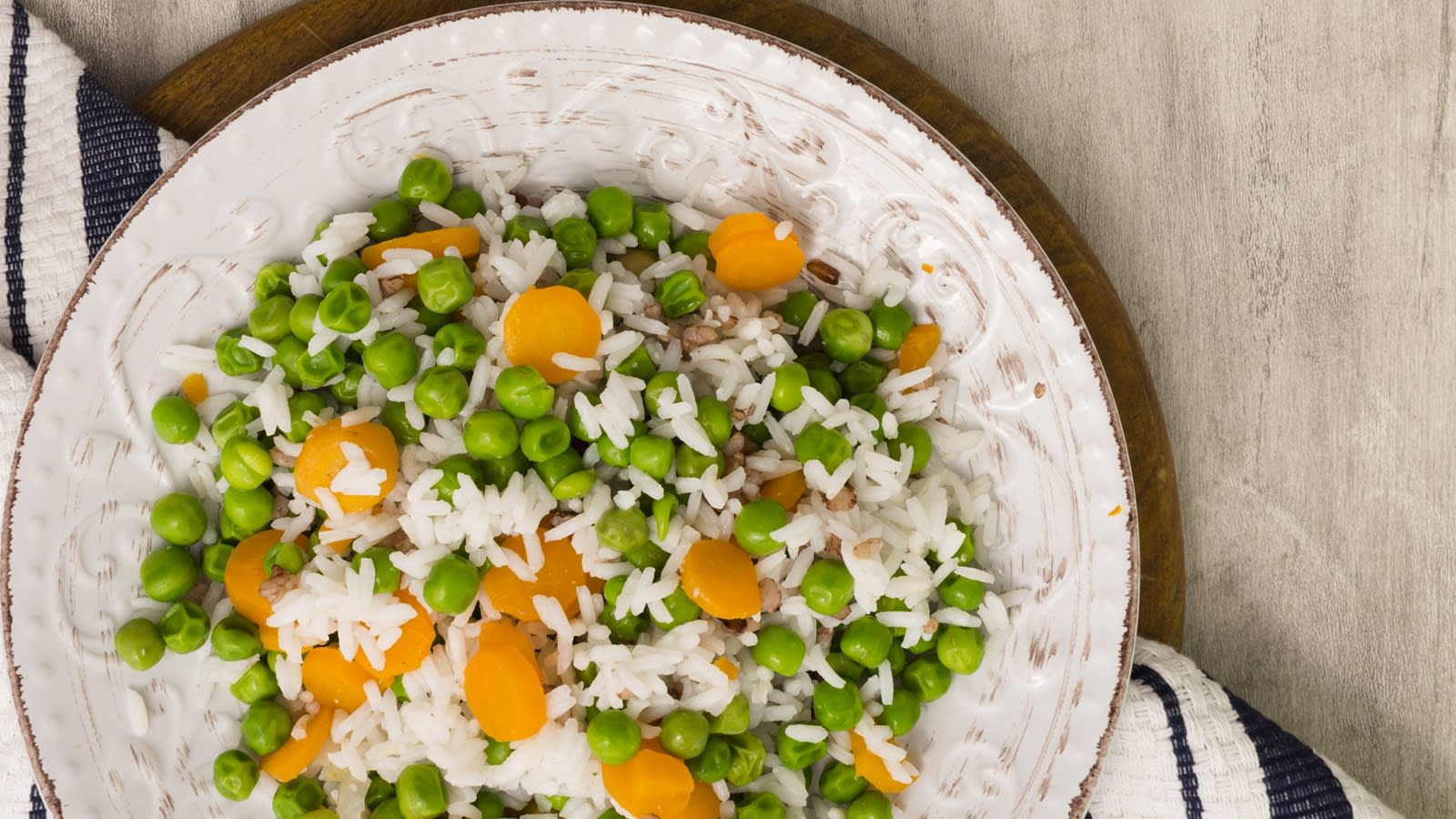
Nutritionist Deepsikha Jain suggests adding green peas to rice to significantly boost protein and fiber intake. Experts confirm this simple dietary hack helps improve satiety, stabilizes blood sugar levels, and supports overall gut health.
Enhancing Daily Nutrition Through Simple Dietary Swaps
In the modern landscape of nutrition, small, sustainable adjustments to daily meals are often more effective than restrictive diets. A recent recommendation by nutritionist and content creator Deepsikha Jain highlights this approach, suggesting the addition of green peas to rice as a simple method to elevate the nutritional profile of a staple food. By incorporating just one cup of green peas, individuals can increase their intake by 10 grams of fiber and 6 grams of protein, turning a standard carbohydrate-heavy meal into a more balanced nutritional experience.
The Physiological Impact of Fiber and Protein
The primary benefit of this dietary modification lies in the synergy between fiber and protein. Protein is essential for muscle maintenance and satiety, while dietary fiber plays a crucial role in digestive health and blood sugar management. When combined with rice—a high-glycemic index food—these added nutrients work to slow down the absorption of glucose into the bloodstream. This process is vital for preventing the rapid sugar spikes and subsequent energy crashes that often follow a carbohydrate-rich meal.
Blood Sugar Regulation and Satiety
By mitigating the glycemic impact of white rice, green peas act as a functional food that promotes metabolic stability. The increased fiber content not only aids in digestion but also creates a sense of fullness, or satiety, which can assist in preventing overeating later in the day. For individuals struggling with post-meal fatigue, this simple addition provides a practical solution to maintain steady energy levels throughout the afternoon, effectively bridging the gap between nutritional theory and practical, everyday eating habits.
Expert Validation and Nutritional Science
Health experts, including Edwina Raj, Head of Services for Clinical Nutrition & Dietetics at Aster CMI Hospital in Bangalore, have acknowledged the efficacy of this strategy. The scientific consensus supports the idea that diversifying a meal’s nutrient profile through whole foods—such as legumes—is a superior approach to supplementation. By integrating plant-based proteins and fibers directly into the primary carbohydrate source, one ensures a more consistent nutrient intake that aligns with standard dietary guidelines for improved gut health.
Future Trends in Dietary Habits
As public interest in preventative health grows, we can expect a continued shift toward 'nutritional hacking'—using simple, accessible ingredients to optimize existing meals. This trend emphasizes the importance of food quality over mere calorie counting. Moving forward, consumers are likely to favor these types of actionable, evidence-based modifications that require minimal effort while offering significant metabolic advantages, signaling a broader movement toward mindful, health-conscious dietary planning.