Why does almost nobody want to befriend older people like me — except scammers?
Source Entity
Quentin Fottrell
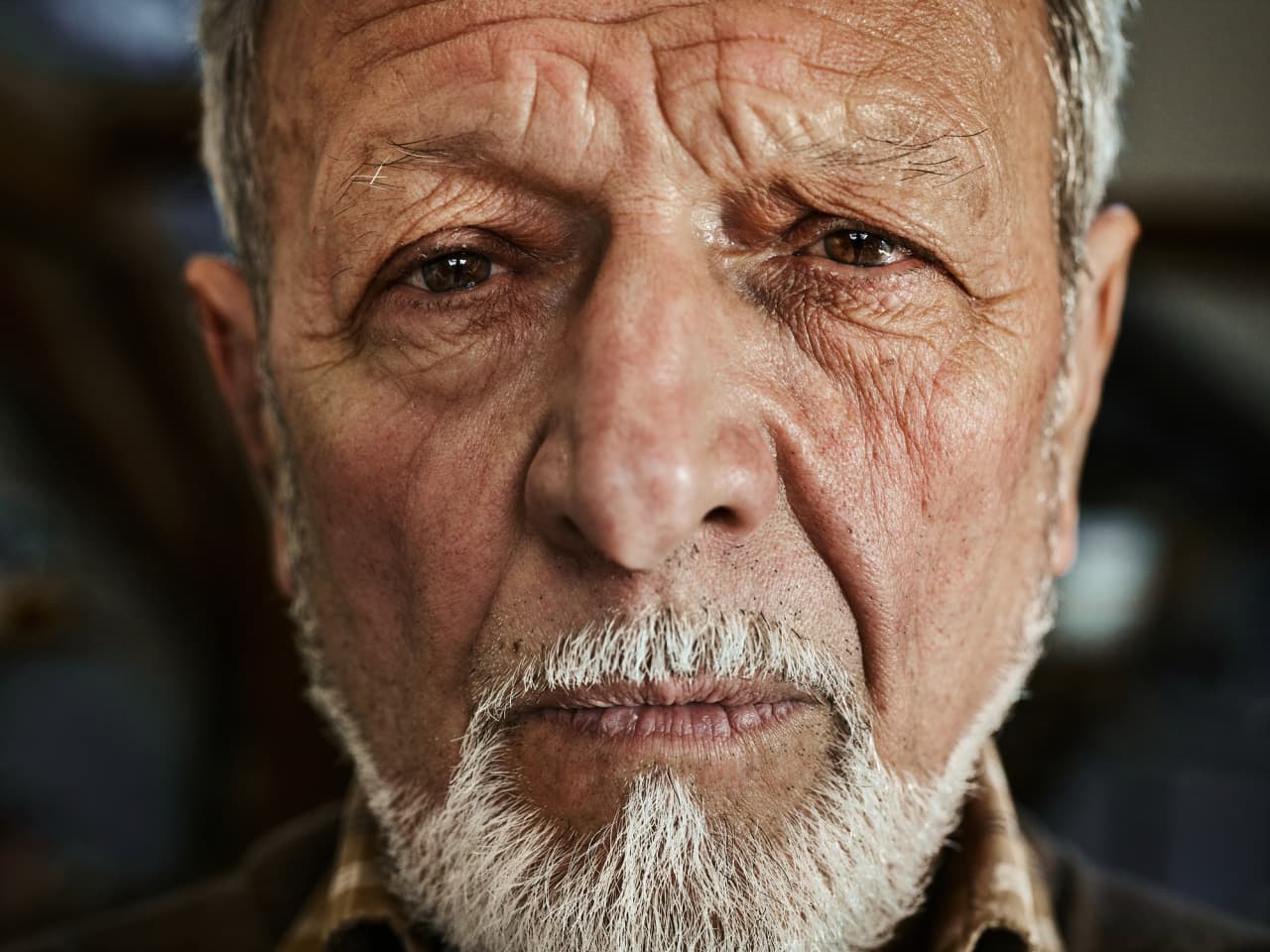
Older individuals often face social isolation, leaving them vulnerable to predatory scammers. This highlights a growing need for genuine intergenerational connection and protective financial planning.
The Silent Crisis of Loneliness in Aging
The poignant reflection regarding the difficulty older adults face in forming genuine friendships underscores a pervasive social crisis: the intersection of loneliness and vulnerability. As individuals age, their social circles often shrink due to retirement, loss of peers, and changes in mobility. This transition period creates a vacuum that is frequently exploited by bad actors who masquerade as companions, turning the natural human desire for connection into a vector for financial abuse.
The Anatomy of Elder Exploitation
The assertion that "almost nobody wants to befriend older people" except for scammers highlights a tragic paradigm shift in modern social dynamics. Scammers often employ tactics of feigned interest and emotional validation to gain the trust of isolated seniors. By mimicking the companionship that family members or peers may no longer provide, these predators gain access to the victim's life, eventually shifting the conversation toward financial gain or access to the victim's estate.
Valuing Company Over Capital
The determination to "leave my estate to people who spent time with me because they genuinely valued my company" is a proactive attempt to reclaim agency over one's legacy. This shift in estate planning serves as both a personal statement of values and a defensive mechanism. By tying inheritance to the quality of human interaction rather than blood relation alone, seniors are attempting to incentivize authentic engagement over performative interest.
The Broader Implications of Social Isolation
Beyond the risk of scams, social isolation is a significant public health concern. Studies have consistently shown that loneliness in older adults is linked to adverse health outcomes, including increased risks of cardiovascular disease, cognitive decline, and depression. When the only social interaction an individual experiences is with a predatory entity, the psychological toll is compounded by the eventual realization of betrayal, which can devastate an elder's remaining sense of security and self-worth.
Future Trends and Societal Responsibility
Looking forward, addressing this issue requires a multi-faceted approach involving community building and technological safeguards. We must foster intergenerational programs that bridge the gap between age groups to reduce the social stigma and isolation that makes seniors vulnerable. Furthermore, financial institutions and legal advisors play a crucial role in identifying suspicious changes in estate planning that may indicate undue influence or coercion by individuals who have only recently entered the senior's life.
Conclusion: Restoring Dignity Through Connection
Ultimately, the desire to be surrounded by those who value one's company is a fundamental human need, not a luxury. Protecting the elderly from exploitation is not merely a matter of legal or financial oversight; it is a moral imperative to ensure that the later stages of life are defined by genuine relationships rather than the fear of manipulation. Society must prioritize the genuine inclusion of seniors to ensure their wisdom and presence are celebrated, rather than preyed upon.
Verification Required?