How the hunger for a new weight loss drug is feeding an industry of fakes
Source Entity
BBC News
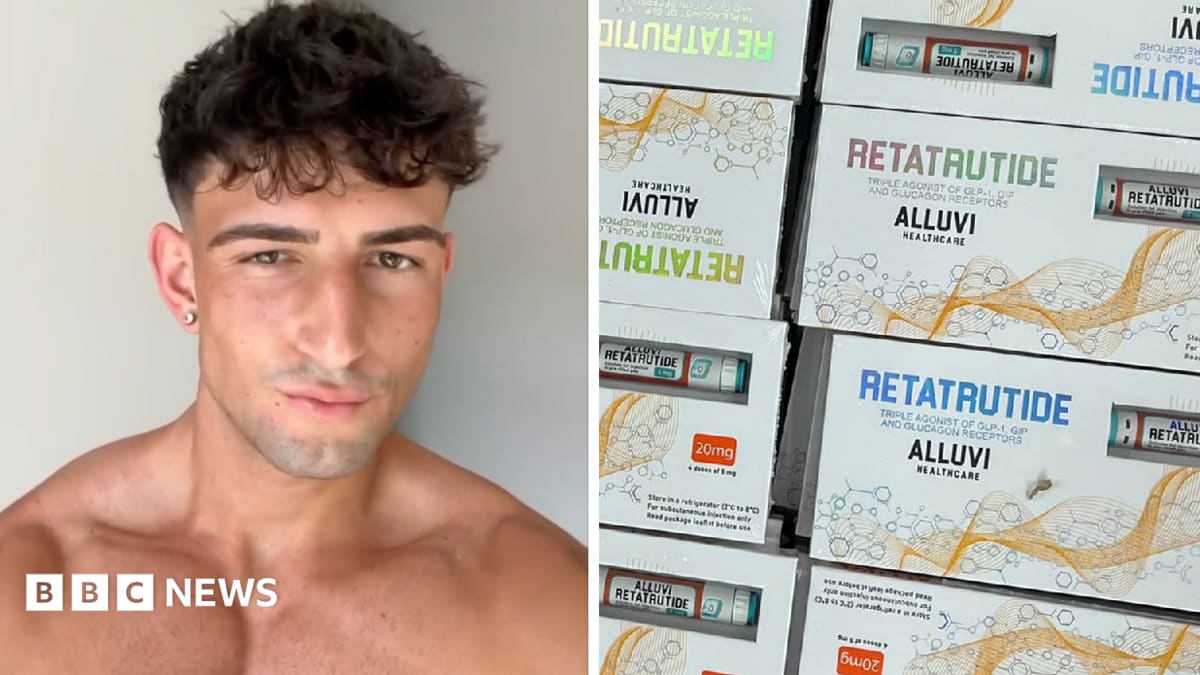
The experimental weight-loss drug retatrutide is facing a surge in illicit, counterfeit versions appearing on the black market before official regulatory approval. Experts warn that these unverified products, sold in unconventional settings like gyms and salons, pose significant health risks to consumers.
The Rise of Illicit Retatrutide: A Dangerous Precedent
The emergence of counterfeit versions of the experimental weight-loss drug retatrutide marks a concerning shift in the landscape of pharmaceutical safety. While the pharmaceutical industry is accustomed to dealing with the black-market replication of established, high-demand medications, the current situation regarding retatrutide is unprecedented. Because this drug remains in the clinical trial phase and has not received approval for human use from any global regulatory body, the existence of a widespread black market is both dangerous and highly irregular.
The Mechanics of the Black Market
Unlike traditional pharmaceutical distribution, which relies on regulated supply chains and pharmacies, these counterfeit versions are circulating through informal, high-risk channels. Reports indicate that vials—often marketed under the street name "reta"—are being sold in non-clinical environments such as gyms, nail salons, hairdressers, and across various social media platforms. This bypasses the essential safety oversight provided by agencies like the UK’s Medicines and Healthcare products Regulatory Agency (MHRA), effectively turning the consumer into an unwitting participant in an unregulated medical experiment.
Challenges for Eli Lilly and Global Regulators
For Eli Lilly, the manufacturer currently developing retatrutide, this phenomenon represents a significant public relations and public health challenge. When an experimental drug is associated with adverse reactions caused by counterfeit products, it can complicate the clinical trial data and tarnish the reputation of the legitimate treatment. Regulators are now forced to play a reactive game, struggling to police a decentralized and clandestine market that operates outside the reach of conventional enforcement mechanisms.
The Dangers of Pre-Approval Consumption
There is a profound danger in consumers attempting to self-administer substances that have not yet cleared the rigorous safety and efficacy standards required for market approval. Clinical trials are designed to identify dosage, potential side effects, and long-term health impacts; by using "reta" before these studies conclude, individuals are subjecting themselves to unknown compounds. Without rigorous testing, there is no guarantee regarding the purity, concentration, or even the chemical composition of these vials.
Broader Implications and Future Trends
This crisis highlights a growing trend where public demand for "miracle" weight-loss solutions outpaces the speed of clinical verification and regulatory approval. The high level of anticipation surrounding the results of retatrutide trials has created a vacuum that criminal actors are eager to fill. As social media continues to facilitate the rapid spread of health trends, the pharmaceutical industry and global health authorities must develop new strategies to combat the digital proliferation of counterfeit drugs before they reach the consumer.
Conclusion
Ultimately, the flood of counterfeit retatrutide on the black market serves as a stark warning about the intersection of social media influence, the weight-loss industry, and unregulated drug distribution. Until retatrutide undergoes the full spectrum of clinical scrutiny and receives official authorization, any product claiming to be this medication must be treated as a significant health risk. Protecting public health in this new era will require a concerted effort between law enforcement, pharmaceutical companies, and digital platforms to dismantle these illicit supply chains.