The key findings and recommendations from the Lucy Letby inquiry
Source Entity
BBC News
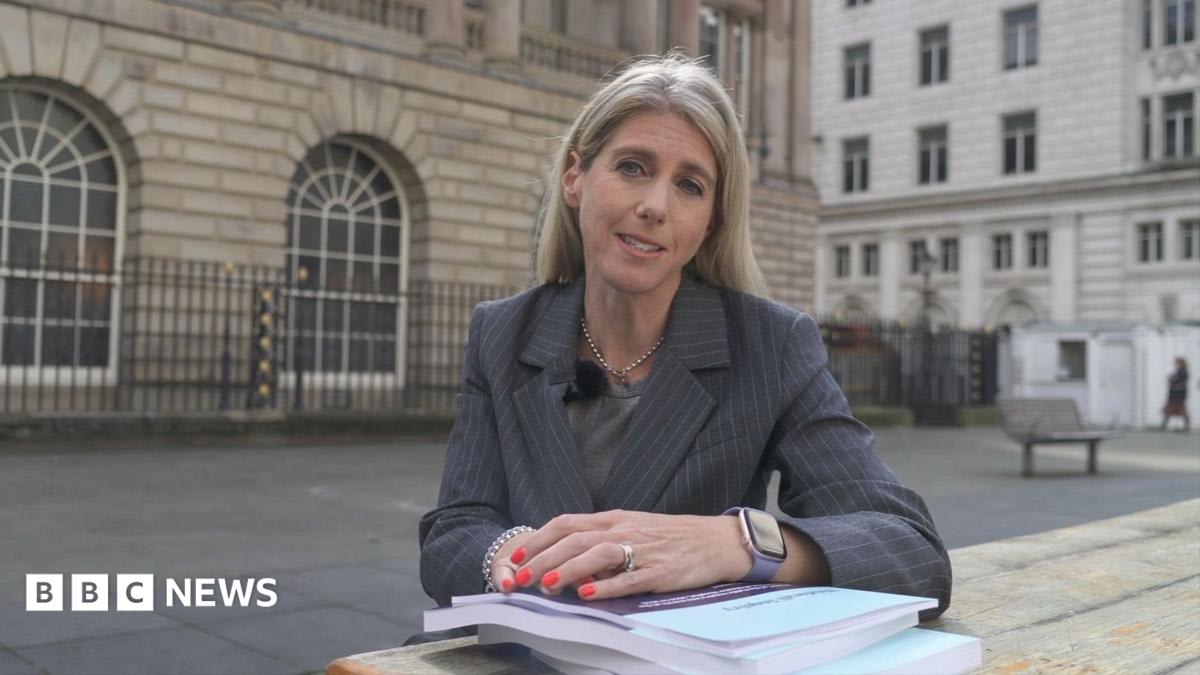
The Thirlwall Inquiry has concluded that systemic failures at the Countess of Chester Hospital allowed Lucy Letby to murder and harm infants. The report highlights dysfunctional management and suggests that some of these tragic deaths were preventable.
The Thirlwall Inquiry: A Systemic Failure
The recent publication of the Thirlwall Inquiry findings marks a somber turning point in one of the most harrowing criminal cases in modern British history. Lucy Letby, a former neonatal nurse, is currently serving 15 whole-life prison terms for the murder of seven infants and the attempted murder of seven others at the Countess of Chester Hospital. While Letby maintains her innocence and has seen two appeals denied, the inquiry focused not on her guilt, but on the institutional environment that allowed such atrocities to persist between 2015 and 2016.
The Failure of Safeguarding
At the heart of the inquiry is the devastating conclusion that there was a 'complete failure to protect babies' within the neonatal unit. Lady Justice Thirlwall, who chaired the inquiry, highlighted that while it is impossible to quantify exactly how many lives might have been saved had interventions occurred earlier, the deaths and injuries were, in many instances, preventable. The report paints a picture of a system where safeguarding protocols were disregarded, allowing a perpetrator to operate unchecked in a clinical environment designed for protection.
Dysfunctional Management and Governance
The inquiry identified 'dysfunctional management and governance' as a primary driver of the tragedy. This failure suggests that the issue was not merely the actions of one individual, but a broader breakdown in the hospital’s ability to respond to internal warnings. By failing to act on concerns raised about Letby during her tenure, the hospital leadership effectively allowed the cycle of violence to continue, raising profound questions about accountability in the National Health Service (NHS).
Institutional Response and Accountability
In response to these findings, the Countess of Chester Hospital has issued an apology, asserting that it is a 'different organisation today' with enhanced leadership and governance structures. This pivot toward reform is essential for public trust, yet the trauma inflicted on the families remains indelible. The presence of protesters near Liverpool Town Hall during the announcement underscores the ongoing pain and societal division surrounding the case, even as the legal and administrative findings solidify the reality of the crimes.
Future Implications for Healthcare
The Thirlwall Inquiry serves as a critical case study for medical safety, suggesting that the normalization of deviance within a hospital setting can have fatal consequences. Moving forward, the healthcare sector must grapple with the lessons of this inquiry, specifically regarding the whistleblower mechanisms and the oversight of medical staff. The findings mandate a rigorous re-evaluation of how clinical concerns are escalated, ensuring that bureaucratic inertia never again takes precedence over the safety of the most vulnerable patients.
Conclusion: A Legacy of Reflection
The conclusions drawn by Lady Justice Thirlwall provide a necessary, albeit painful, accounting of a profound institutional failure. As the hospital attempts to move forward, the broader medical community is left to reckon with the reality that systemic safeguards are only as effective as the leaders who enforce them. This report stands as a permanent record of the necessity for transparency and the catastrophic cost of administrative silence in the face of criminal suspicion.