Ludhiana ISBT foot overbridge project hits land acquisition hurdle
Source Entity
Latest News: Todays Latest News Headlines from India & World | Hindustan Times | Hindustan Times
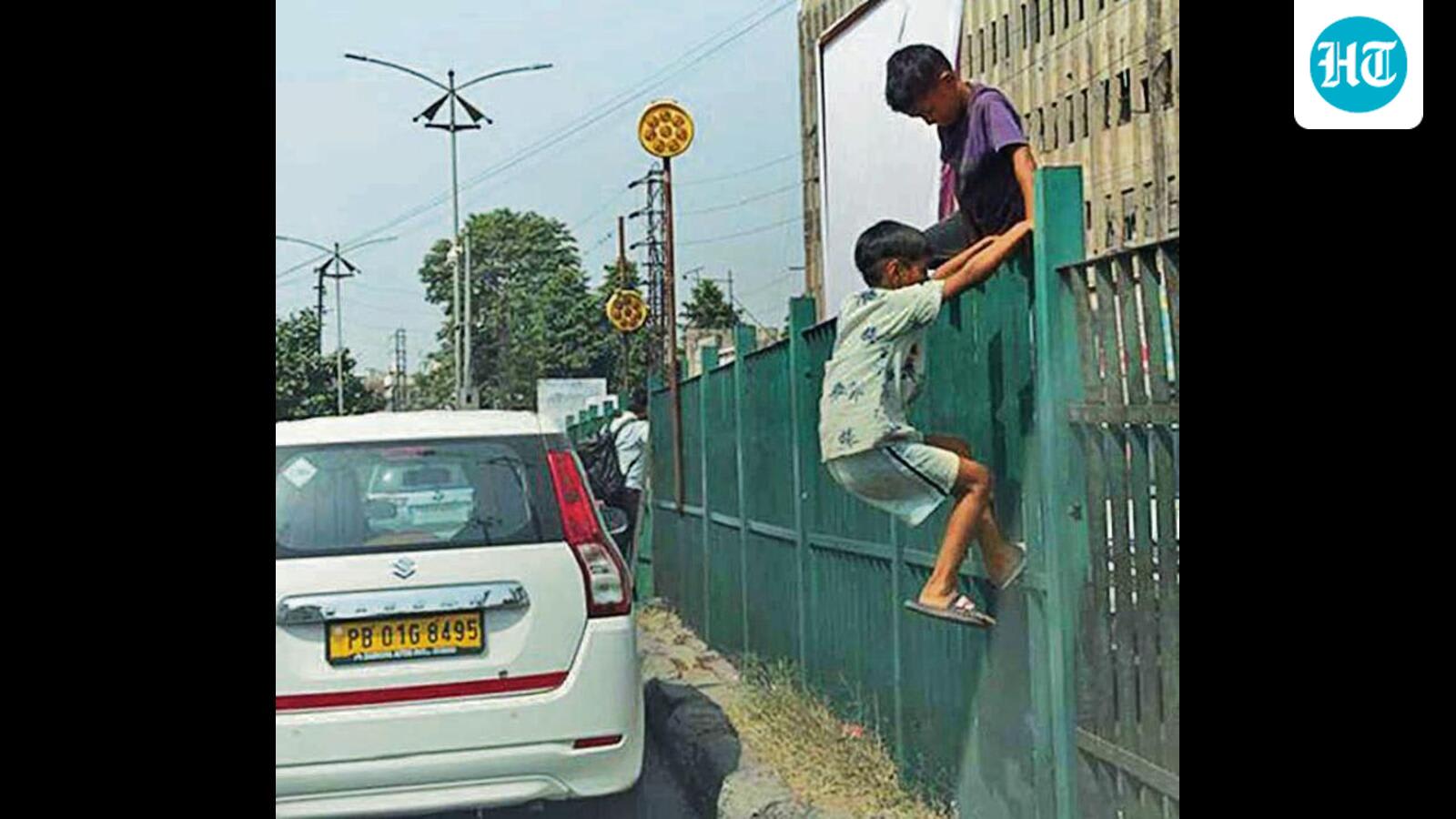
The construction of a ₹2-crore foot overbridge at Ludhiana's ISBT is stalled due to opposition from local shopkeepers regarding the site. The NHAI has now sought assistance from the district administration to resolve the land acquisition hurdle.
Stalled Infrastructure: The Ludhiana ISBT Pedestrian Crisis
The proposed ₹2-crore foot overbridge project outside the Ludhiana Inter-State Bus Terminal (ISBT) represents a critical yet stalled piece of urban infrastructure. Announced in 2025 by Rajya Sabha MP Sanjeev Arora, the project was designed to address the hazardous conditions faced by commuters navigating the high-traffic area surrounding one of the city's busiest transit hubs. Despite its clear intent to improve public safety, the initiative has been paralyzed for over a year due to resistance from local shopkeepers.
The Impact of Infrastructure Delays
The lack of a dedicated crossing facility has forced pedestrians, including children, to resort to dangerous maneuvers, such as climbing over railings, just to traverse the road. This situation highlights the friction between immediate urban safety needs and the commercial interests of local stakeholders. When infrastructure projects are delayed by land-use disputes, the primary victims are the vulnerable road users who rely on the ISBT for daily transportation.
NHAI and Administrative Intervention
Recognizing the urgency of the situation, the National Highways Authority of India (NHAI) has recently moved to break the deadlock by formally approaching the Ludhiana district administration. By seeking governmental mediation, the NHAI aims to navigate the complex land acquisition issues that have hindered the project's progress. The agency has reiterated its readiness to commence construction immediately upon the resolution of the space allocation controversy.
Balancing Development and Local Interests
The core of the conflict lies in the proposed site for the bridge, which has drawn objections from local business owners who fear the impact on their shops. This scenario is a classic example of urban development challenges in Indian cities, where public utility projects frequently clash with existing commercial footprints. Resolving this will require the district administration to act as a neutral arbiter to ensure that public safety infrastructure can coexist with local economic activities.
Future Outlook for Urban Mobility
Moving forward, the success of the Ludhiana ISBT project depends on the administration's ability to identify a viable compromise. If the district officials can facilitate a space-sharing agreement or identify an alternative alignment that satisfies both safety requirements and shopkeepers' concerns, it will serve as a model for future infrastructure disputes in the region. Without a swift resolution, the safety risks to commuters will only escalate as traffic density around the ISBT continues to grow.
Conclusion
The impasse surrounding the Ludhiana ISBT foot overbridge underscores the necessity of proactive community engagement in infrastructure planning. While the project is modest in terms of budget, its importance to public safety is immense. The current intervention by the NHAI and the district administration is a vital step toward ensuring that the project finally transitions from a stalled announcement to a functional reality for the citizens of Ludhiana.
Verification Required?