Days after narrating drought plight to minister, Maharashtra farmer ends life by jumping in well
Source Entity
Latest News: Todays Latest News Headlines from India & World | Hindustan Times | Hindustan Times
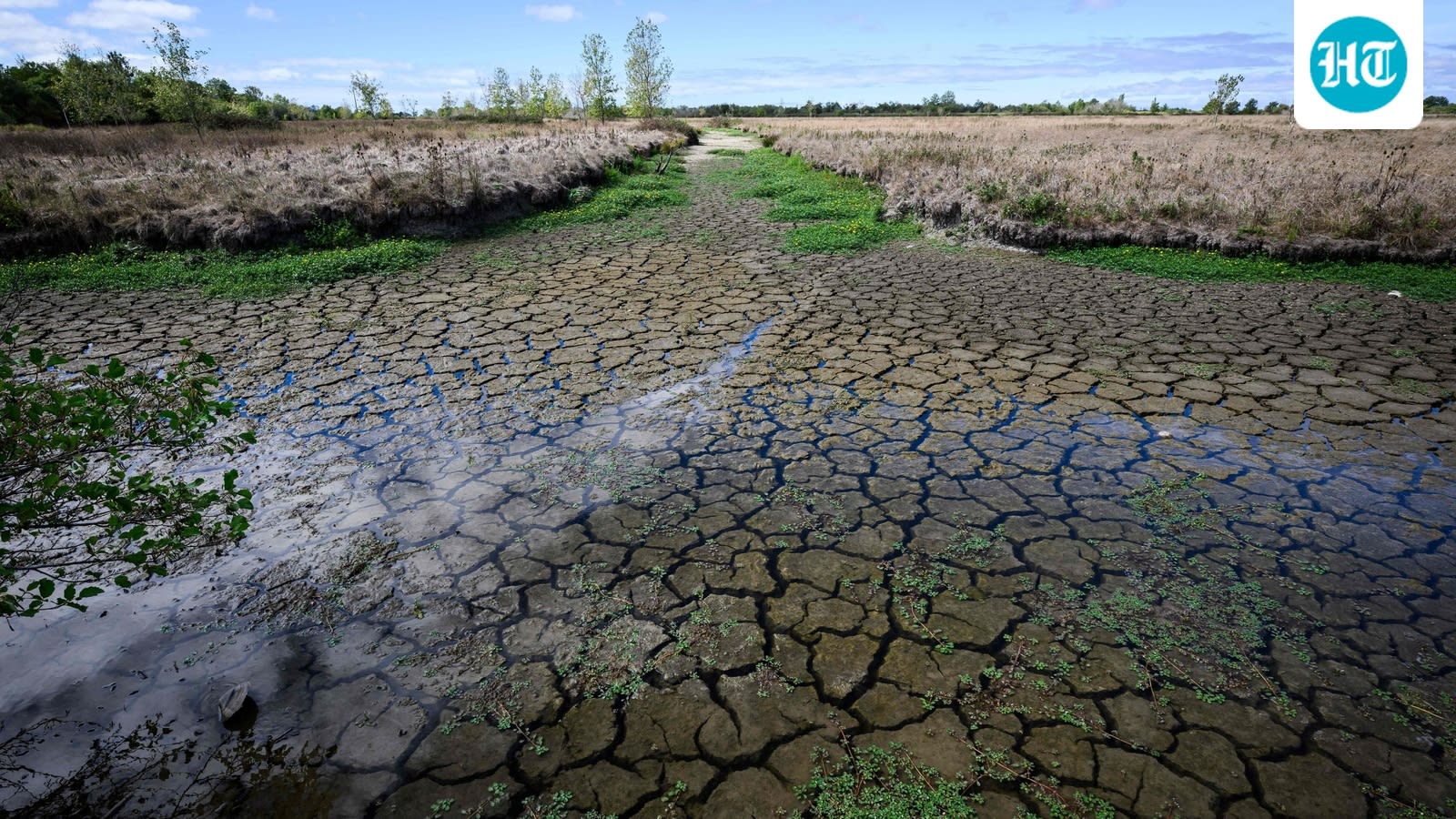
A 55-year-old farmer in Maharashtra's Bhandara district took his own life shortly after expressing concerns about drought-induced crop failure to a government minister. His death highlights the severe agricultural crisis and the limitations of current drought relief efforts.
The Tragic Intersection of Policy and Despair
The recent death of 55-year-old Rajendra Sapate in the Bhandara district of Maharashtra serves as a harrowing reminder of the fragility of rural livelihoods in India. Sapate, a resident of Dhop taluka in Mohadi, reportedly took his own life by jumping into a well in a paddy field. This tragic event occurred only days after he had publicly articulated the dire circumstances facing local farmers to the Bhandara guardian minister, Pankaj Bhoyar, during an official visit to review drought conditions on October 3.
The Failure of Agricultural Resilience
At the heart of this tragedy is the issue of climate volatility. As Sapate noted in a widely circulated video, the lack of adequate rainfall and irrigation infrastructure has placed the farming community in a state of extreme vulnerability. When crops fail due to meteorological drought, farmers often face a cascade of financial ruin, as their investments in seeds, fertilizers, and labor vanish without the prospect of a harvest. The fact that Sapate explicitly warned the minister that farmers were reaching a point where they might "give up their lives" underscores the psychological toll that economic instability exerts on the agrarian sector.
Accountability and Ministerial Engagement
Ministerial visits to drought-stricken regions are intended to provide both administrative oversight and a sense of government support to suffering populations. However, the sequence of events here—a direct appeal to a government official followed by a fatal act of desperation—raises difficult questions about the efficacy of such interactions. While officials conduct these visits to assess the ground reality, the transition from documentation to tangible, life-saving intervention remains a critical gap in the relief architecture.
The Broader Crisis in Maharashtra
Maharashtra has long grappled with the challenges of rain-fed agriculture, where the reliance on monsoon patterns remains high. When these patterns shift, the lack of robust, localized irrigation systems leaves smallholder farmers like Sapate exposed to total loss. The incident in Mohadi is not an isolated case but a symptom of a systemic crisis where the gap between administrative promises and the harsh reality of rural survival continues to widen.
Future Trends and Necessary Interventions
Looking forward, the incident highlights the urgent need for structural changes in how drought management is approached. Beyond immediate monetary compensation, there is a requirement for long-term investments in water conservation, drought-resistant crop varieties, and improved credit support systems that prevent farmers from falling into debt traps during lean years. Without addressing these root causes, the cycle of distress is likely to continue, leaving vulnerable families at the mercy of unpredictable climate events.
Conclusion
Rajendra Sapate's death is a stark reflection of the agrarian distress currently plaguing parts of Maharashtra. By documenting his own struggle and directly confronting authorities, he brought a human face to the statistical reality of drought. His passing calls for a more proactive, empathetic, and effective policy framework that prioritizes the lives of farmers as much as the preservation of crop yields.
Verification Required?