Ludhiana: Schools stare at uncertain lunch hour as cooks go on strike today
Source Entity
Latest News: Todays Latest News Headlines from India & World | Hindustan Times | Hindustan Times
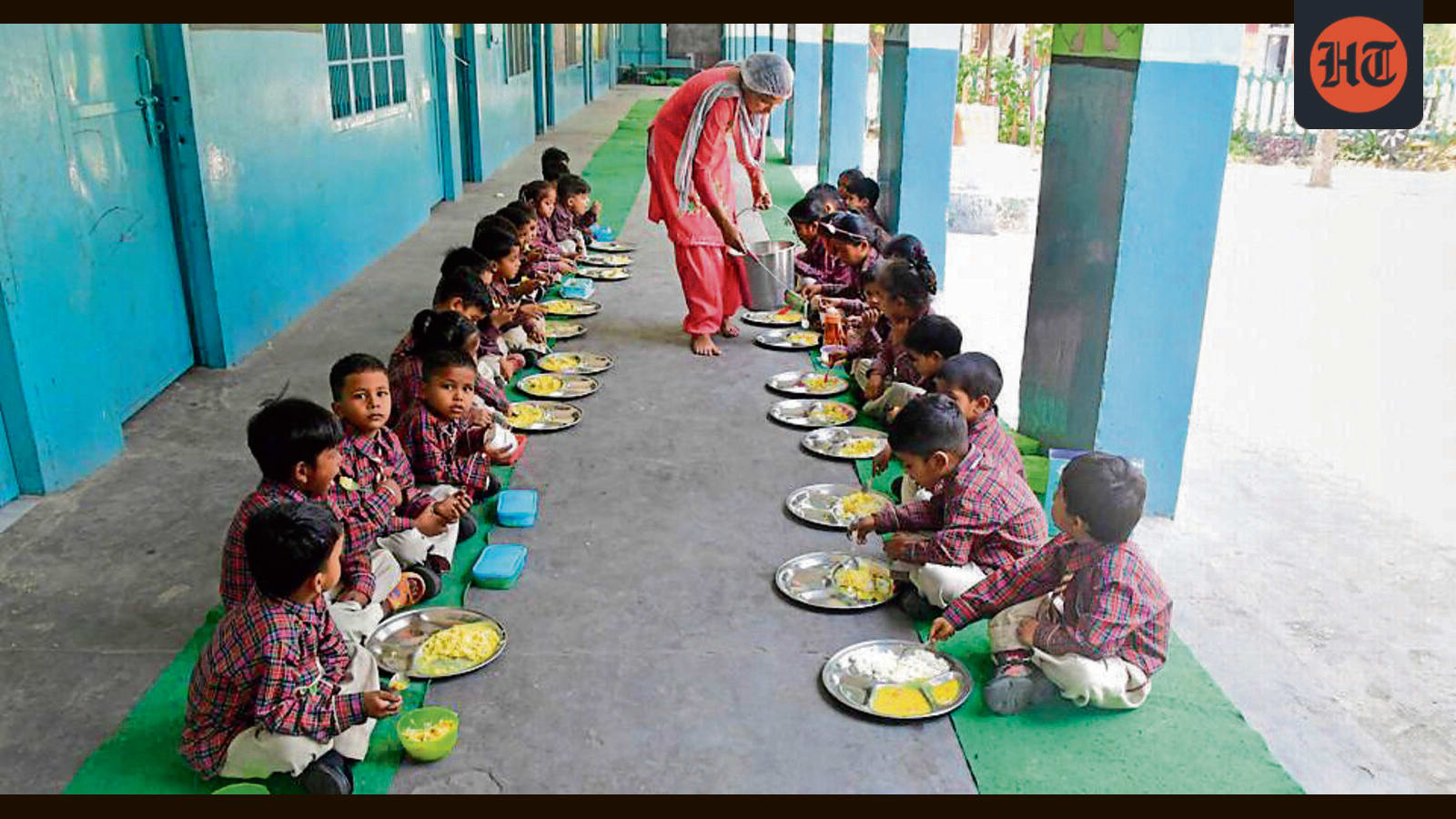
Mid-day meal workers in Ludhiana are on a one-day strike demanding social security benefits including ESI, gratuity, and a monthly pension. The protest has created uncertainty for school lunch services, with authorities and staff at odds over contingency plans.
Strike Disrupts Mid-Day Meal Services in Ludhiana
On Tuesday, government schools across Ludhiana faced significant operational uncertainty as mid-day meal workers initiated a one-day strike to advocate for improved labor conditions. The disruption centers on a set of long-standing demands, specifically the implementation of the Employees' State Insurance (ESI) scheme, a gratuity of ₹5 lakh, and a guaranteed monthly pension of ₹9,000 for retired personnel. This industrial action highlights the precarious nature of the workforce that sustains the Mid-Day Meal Scheme, a critical nutritional program for school-aged children in India.
The Core Demands and Labor Tensions
The demands articulated by the workers represent a push for formalization and social security within a sector that often relies on low-paid, contract-based labor. By seeking ESI coverage and a defined pension, these workers are signaling that their current compensation and safety nets are insufficient to cover the rising costs of living and the physical demands of their roles. The decision to take mass leave and congregate in Mohali for a protest underscores a coordinated effort to force the state government to acknowledge their financial grievances.
Conflicting Perspectives on Continuity
A notable tension has emerged between the education department and the workforce. Deputy district education officer (elementary) Manoj Kumar asserted that workers would facilitate alternative arrangements for the day, a claim the workers have flatly rejected. This disconnect suggests a breakdown in communication between administrative leadership and the grassroots staff, leading to a state of confusion for school heads who remain responsible for student welfare despite the lack of clear directives.
Contingency Challenges in Schools
In the absence of a standardized protocol, school heads have been left to improvise. The proposal to recruit mothers of local students to manage food preparation serves as a makeshift solution, yet it raises questions regarding food safety, hygiene standards, and the feasibility of such a model on short notice. This situation illustrates the vulnerability of the mid-day meal infrastructure, which lacks the redundancy required to maintain service continuity during labor disputes.
Broader Implications and Future Outlook
The strike in Ludhiana reflects a wider national conversation regarding the status of public sector contract workers. As the government continues to rely on these individuals to deliver essential welfare services, the pressure for better working conditions is likely to intensify. If these demands remain unaddressed, it is probable that future protests will become more frequent or prolonged, potentially leading to a larger crisis in the delivery of school-based nutrition programs. The resolution of this issue will require a delicate balance between fiscal constraints and the moral imperative to support those tasked with feeding the next generation.
Verification Required?