Ludhiana: Ration card duty order for teachers withdrawn as education secy steps in
Source Entity
Latest News: Todays Latest News Headlines from India & World | Hindustan Times | Hindustan Times
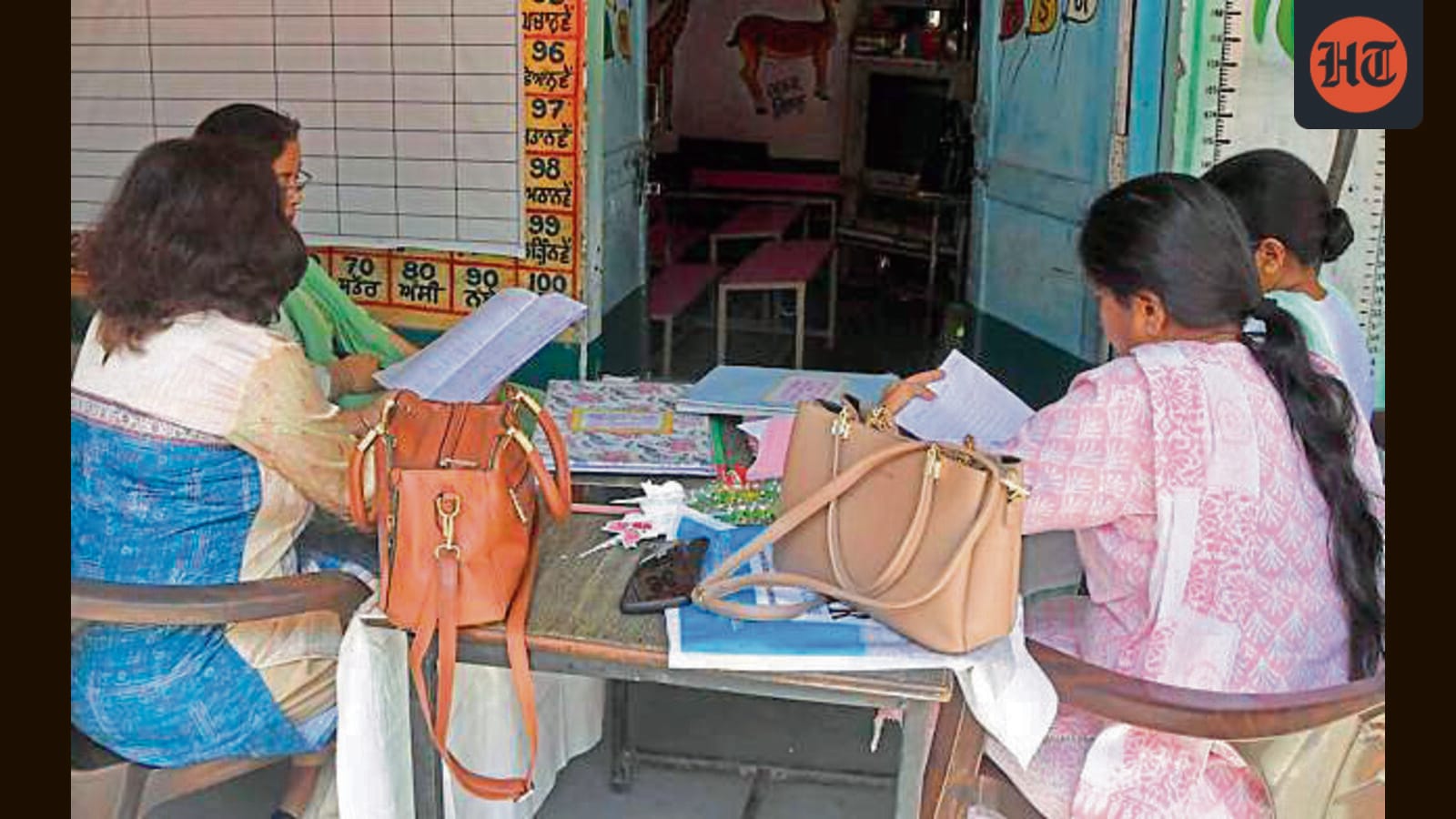
The Ludhiana administration withdrew an order assigning ration card verification duties to teachers following intervention by the education secretary. This action aligns with a broader directive aimed at keeping educators focused on teaching rather than administrative tasks.
Administrative Overreach and Teacher Burden in Ludhiana
Recent events in Ludhiana have highlighted a persistent conflict between administrative requirements and the primary mandate of the education sector. When the sub-divisional magistrate (SDM) of Ludhiana East issued an order tasking teachers with ration card verification, it created immediate friction within the local educational community. This directive, which included threats of disciplinary action for non-compliance, stood in direct contradiction to established policy goals regarding teacher workload.
The September 18 Directive
The root of this administrative confusion lies in the September 18 directive issued by Education Secretary Sonali Giri. This policy explicitly mandated that all deputy commissioners across the region ensure teachers are withdrawn from non-teaching and administrative assignments. This includes surveys, data verification, and other miscellaneous clerical tasks that have historically plagued the Indian education system, often diverting skilled educators from their core responsibility: classroom instruction.
Policy Implementation and Local Friction
The issuance of the SDM's order—despite the clear September 18 directive—suggests a significant breakdown in communication between the state-level education secretariat and local district administration. By extending the ration card verification deadline to September 30 and threatening disciplinary measures, the local office inadvertently undermined the state’s efforts to streamline professional duties. This friction illustrates the difficulty of enforcing top-down administrative reforms when local offices are under pressure to meet departmental quotas for state-mandated programs.
The Impact on Educational Quality
The diversion of teachers for non-academic tasks has long-term implications for student outcomes. When highly trained professionals are repurposed as data entry clerks or field surveyors, the quality of pedagogy inevitably suffers. The intervention by the education secretary serves as a critical check on this practice, reinforcing the principle that teachers should be shielded from administrative overload to maintain a consistent learning environment.
Future Trends and Administrative Accountability
Moving forward, this incident underscores the necessity for clearer institutional protocols. If the government’s goal is to improve literacy and educational standards, policies like the September 18 directive must be strictly enforced at the sub-district level. The rapid withdrawal of the SDM's order following the secretary's intervention suggests that there is a growing political and administrative will to prioritize academic focus, but systemic change will require continuous monitoring and accountability mechanisms to ensure local orders do not override state mandates.
Conclusion
The resolution of the Ludhiana incident marks a positive step toward professionalizing the teaching workforce. By curbing the practice of assigning non-teaching duties, the administration is moving closer to a model where educators are judged solely on their performance in the classroom. Ensuring that such directives are respected across all tiers of government will be essential for the sustained success of the education reform agenda.
Verification Required?