Lyft (LYFT)’s Robotaxi Strategy Takes Shape with Waymo
Source Entity
Yahoo Finance
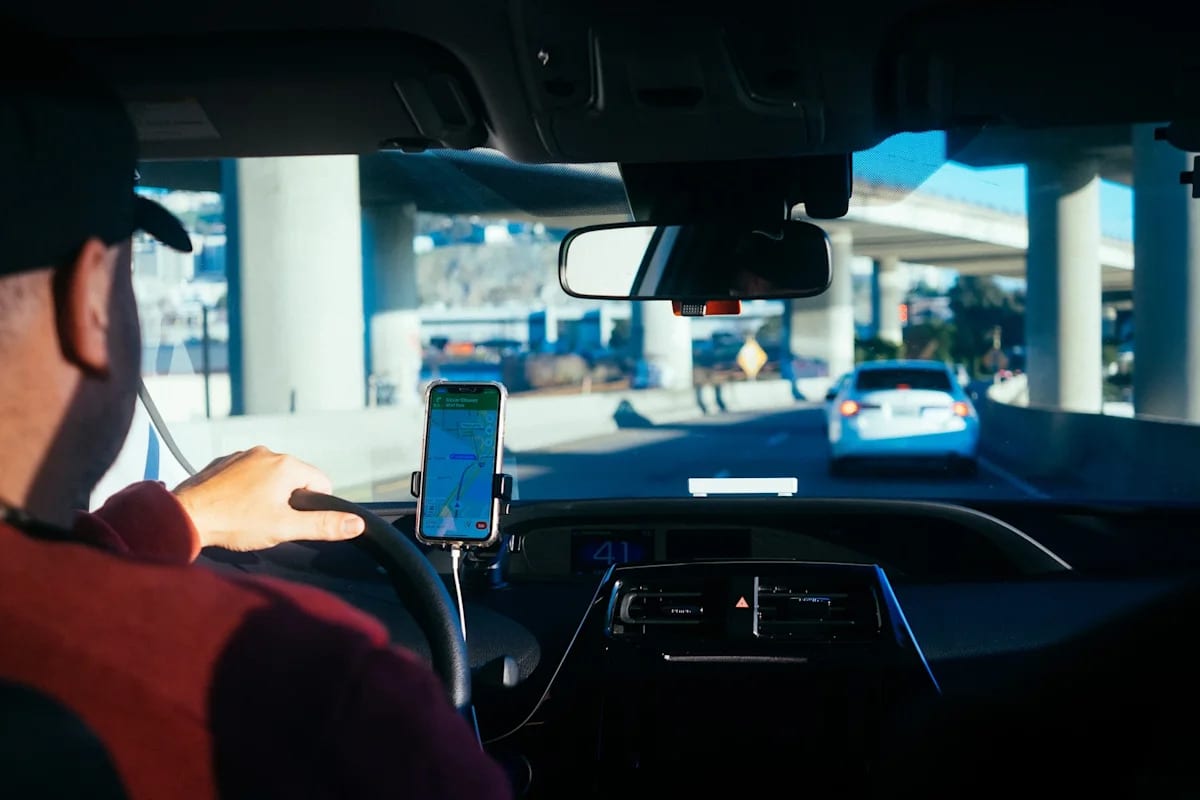
Lyft and Waymo have launched a strategic partnership in Nashville, allowing users to book autonomous rides directly via the Lyft app. Meanwhile, Amazon’s Zoox is expanding into the competitive San Francisco market, signaling a massive shift in the projected $513 billion global ride-hailing industry.
The Convergence of Ride-Hailing and Autonomy
The landscape of urban transportation is undergoing a seismic shift as major technology firms move beyond pilot programs into commercial integration. Lyft, Inc. (NASDAQ:LYFT) has officially integrated Waymo’s fully autonomous robotaxis into its Nashville service area. This collaboration marks a significant milestone, as it is the first instance where Waymo vehicles are accessible through both the proprietary Waymo app and the Lyft interface, streamlining the user experience for those seeking Standard, Priority, or Comfort ride tiers.
Operational Synergy: Beyond the App
The partnership extends far beyond mere booking capabilities. A critical component of this strategy involves Lyft’s subsidiary, Flexdrive, which is assuming responsibility for the essential, non-digital aspects of fleet management. By overseeing the cleaning, charging, and maintenance of Waymo’s autonomous vehicles, Lyft is positioning itself as a vital operational backbone for the autonomous ecosystem, rather than just a software intermediary. This move allows Waymo to scale its commercial deployment more efficiently by leveraging Lyft’s existing logistical infrastructure.
The Competitive Landscape: Zoox Enters the Fray
While Lyft and Waymo solidify their Nashville presence, the broader autonomous market is heating up in San Francisco. Amazon’s subsidiary, Zoox, has entered the market with its purpose-built autonomous vehicles. CTO Jesse Levinson’s assertion that the market can support a multibillion-dollar entity dedicated to autonomous passenger transit highlights the high stakes involved. Zoox is positioning its unique vehicle design as a differentiator against established players like Waymo, which currently dominates the paid driverless space in the region.
Economic Projections and Market Growth
The urgency behind these aggressive rollouts is driven by massive growth forecasts. According to data from Mordor Intelligence, the global ride-hailing industry is poised for significant expansion, with revenues projected to climb from $224.84 billion in 2025 to over $513 billion by 2031. With e-hailing currently commanding nearly 74% of the market revenue, companies are racing to capture market share by integrating autonomy, which promises to reduce long-term operational costs and redefine passenger mobility.
Future Trends and Strategic Implications
Looking ahead, the industry is transitioning from a period of experimental testing to one of intense commercial competition. The Nashville partnership serves as a blueprint for how legacy ride-hailing networks can pivot to survive in a post-driver world. As companies like Waymo and Zoox battle for dominance in major urban centers, the primary challenge will be balancing rapid infrastructure deployment with the stringent safety and regulatory requirements of municipal governments. The next decade will likely be defined by which firms can successfully marry robust fleet operations with consumer-facing accessibility.