Vehicles without insurance could be denied fuel at Madhya Pradesh petrol pumps
Source Entity
Anand Mohan J
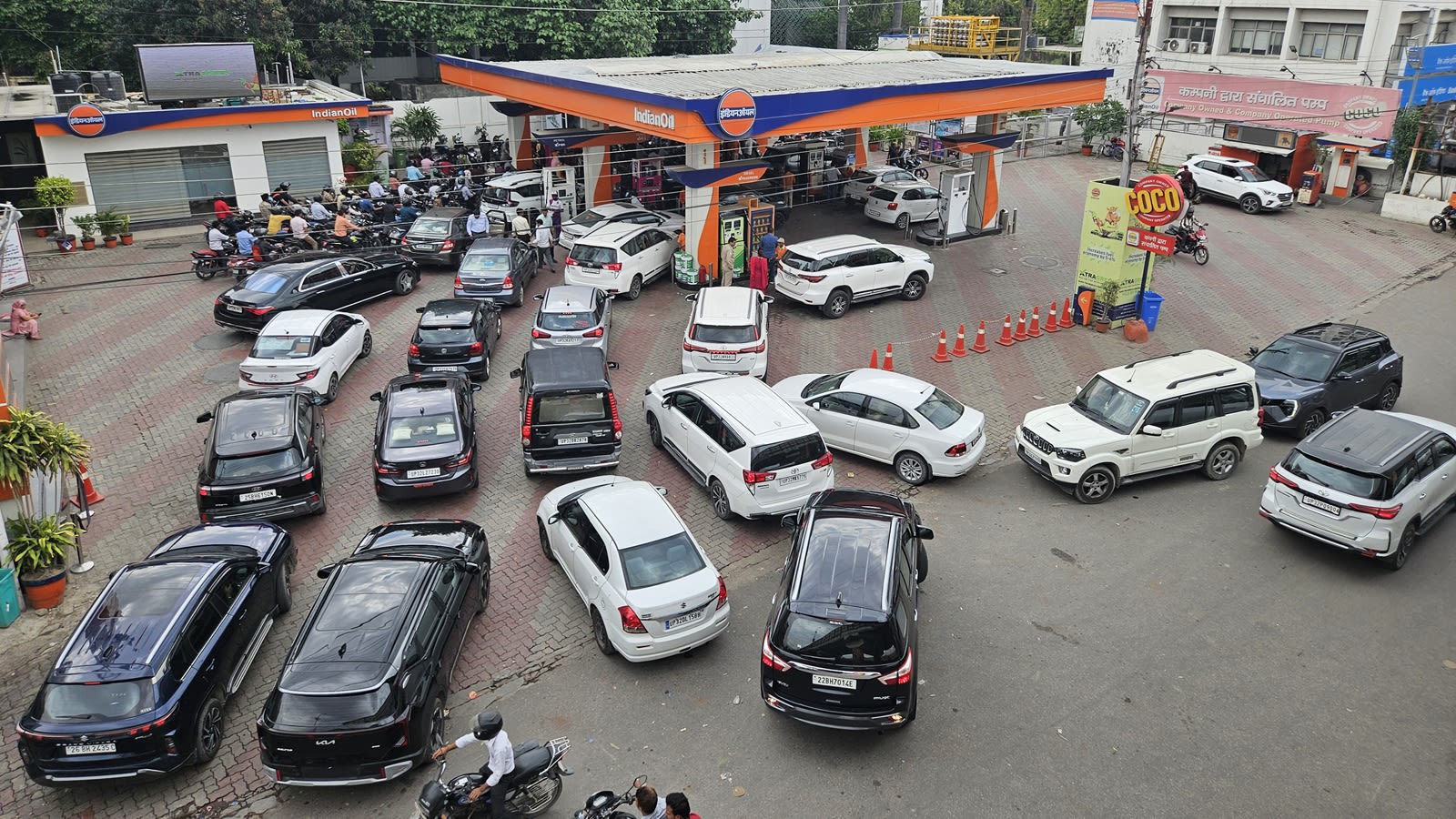
Madhya Pradesh is launching a pilot project to deny fuel to vehicles lacking valid insurance as part of a road safety initiative. The program, overseen by the Supreme Court Committee on Road Safety, aims to improve compliance and reduce traffic fatalities.
Madhya Pradesh Launches Innovative Road Safety Initiative
In a significant move to bolster road safety and ensure regulatory compliance, the state of Madhya Pradesh is set to launch a pioneering pilot project. This initiative aims to link vehicle insurance status directly to the ability to purchase fuel at petrol pumps. By leveraging technology to enforce existing laws, the state government hopes to address the high prevalence of uninsured vehicles on Indian roads, which currently poses a major challenge to traffic administration and victim compensation.
The Role of the Supreme Court Committee
The initiative was formalized during a high-level meeting chaired by Justice Abhay Manohar Sapre, the retired Supreme Court judge who serves as the chairman of the Supreme Court Committee on Road Safety. The involvement of this committee underscores the gravity of the road safety crisis in India and reflects a broader judicial push to implement stricter enforcement mechanisms. By focusing on the district with the highest density of uninsured vehicles, the government is adopting a data-driven approach to maximize the impact of this trial.
Technological Enforcement and Infrastructure
The proposed system relies heavily on the integration of surveillance technology at fuel stations. The plan involves the installation of cameras capable of reading license plates, which will then be cross-referenced against government databases to verify insurance status in real-time. This automated approach reduces human error and corruption potential, signaling a shift toward digital governance in transport sectors where manual checks are often logistically impossible due to the sheer volume of traffic.
Expanding the Zero-Fatality District Programme
This pilot is part of a wider strategic expansion of the state’s 'Zero-Fatality District' programme, which is being scaled to cover nine districts. The core philosophy of this programme is to create localized models of traffic management that can be replicated across the state. By targeting uninsured vehicles, authorities are not just focusing on revenue or documentation; they are attempting to ensure that in the event of an accident, there is a legal framework available for victim support and liability coverage.
Broader Implications for Road Safety
The initiative reflects a growing trend in India where administrative hurdles are being used to incentivize responsible vehicle ownership. If successful, this pilot could serve as a blueprint for other states facing similar challenges with traffic violations and lack of compliance. It highlights a shift in policy from reactive enforcement—such as post-accident fines—to proactive, preventative measures that restrict the usage of non-compliant vehicles before they become a danger on the road.
Future Outlook and Challenges
While the project holds promise for improving road safety statistics, its success will depend on the reliability of the underlying digital infrastructure. Ensuring that databases are updated in real-time and that the camera technology remains functional will be the primary technical hurdles. If the pilot in Madhya Pradesh proves effective, it is likely that the Ministry of Road Transport and Highways will consider standardizing this model nationally, fundamentally changing how fuel retailers interact with vehicle documentation.