Madhya Pradesh replaces uniform mid-day meal menu with traditional regional dishes
Source Entity
Latest News: Todays Latest News Headlines from India & World | Hindustan Times
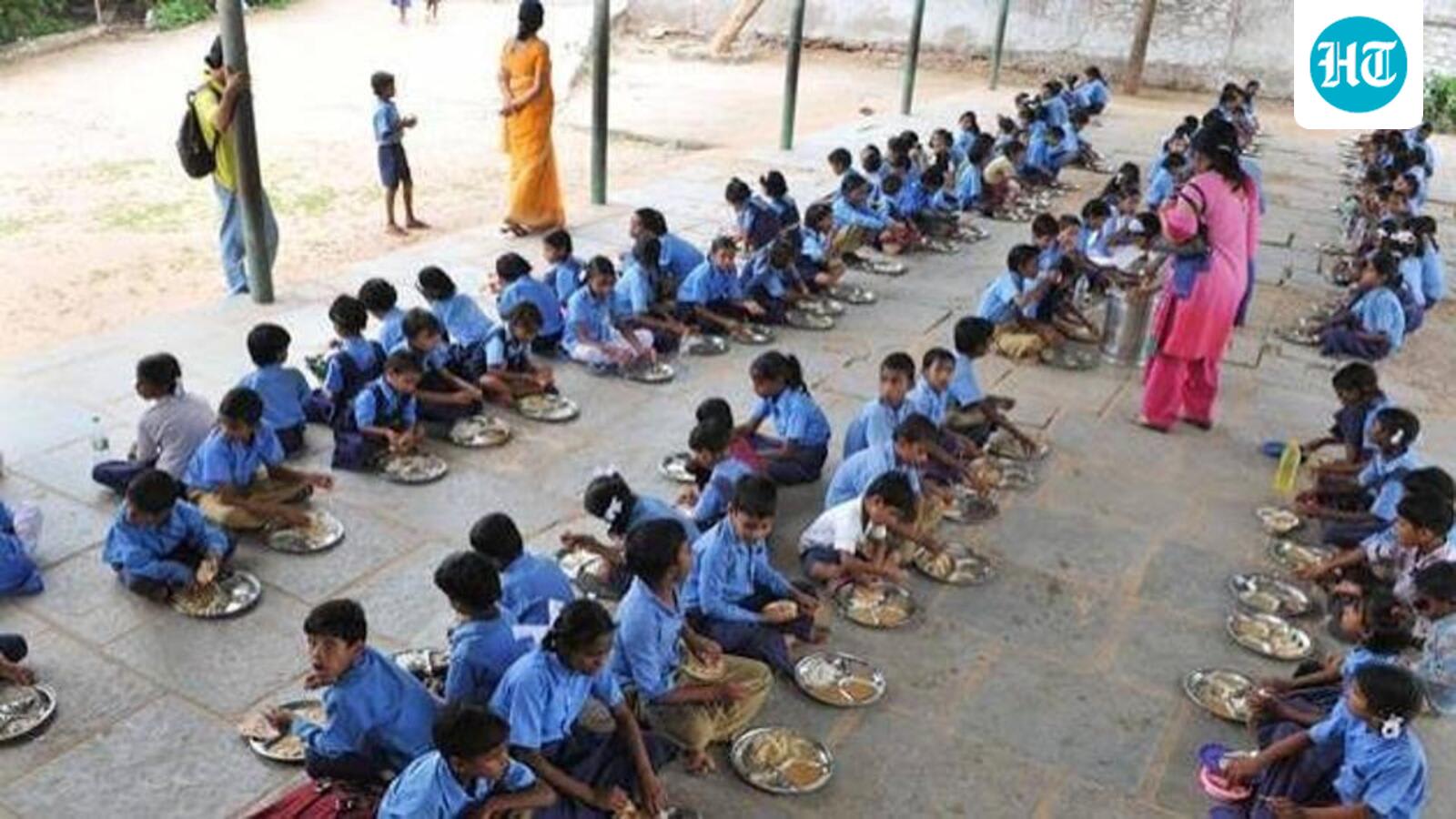
The Madhya Pradesh government is replacing uniform mid-day meal menus with traditional regional dishes like Dal-Bafla and Kodo-Kutki. This initiative aims to improve nutritional intake and student meal acceptability by utilizing locally sourced ingredients.
Revitalizing Nutrition: Madhya Pradesh's Shift to Regional Mid-Day Meals
The Madhya Pradesh government has initiated a significant policy shift in its school nutrition program, moving away from a rigid, state-wide uniform menu to one that embraces the culinary diversity of the region. By incorporating traditional dishes such as Dal-Bafla, Bhutte Ka Kees, and Kodo-Kutki Khichdi into government school mid-day meals, the state aims to better align dietary offerings with the cultural palate of local students.
Addressing Dietary Diversity and Cultural Identity
As noted by Mayank Agrawal, the state coordinator for the panchayat and rural development department, a "one-size-fits-all" approach to school nutrition often fails to account for the vast regional variations in dietary patterns across Madhya Pradesh. By decentralizing the menu, the government acknowledges that food is not merely fuel but an extension of regional identity. This transition is expected to increase the acceptability of the meals, as students are more likely to consume food that reflects the culinary heritage of their households.
Nutritional and Economic Implications
Beyond the cultural benefits, this policy focuses on the practical nutritional and economic advantages of locally sourced food. Traditional ingredients, particularly millets like Kodo and Kutki, are known for their high nutritional density compared to processed or standardized alternatives. By utilizing ingredients that are easily available in local markets, the government is also fostering a more sustainable supply chain that supports local farmers and reduces the logistics costs associated with transporting standardized food supplies across the state.
Improving Student Engagement and Health
Mid-day meal programs are critical to ensuring school attendance and physical health among children in government schools. By enhancing the taste and nutritional profile of these meals, the state hopes to reduce food wastage and ensure that students receive the essential vitamins and minerals required for their growth. The inclusion of dishes like Bhutte Ka Kees—a popular corn-based delicacy—demonstrates a commitment to making school nutrition more palatable and engaging for young learners.
Future Trends in School Nutrition
This move by Madhya Pradesh aligns with broader national efforts to promote traditional millets and indigenous grains, which are increasingly recognized for their climate resilience and health benefits. If successful, this regionalized approach could serve as a model for other Indian states to follow. By prioritizing local food systems, the government is not only improving immediate health outcomes but also preserving traditional agricultural practices for future generations.
Conclusion
The transition to regionalized mid-day meals in Madhya Pradesh represents a thoughtful integration of policy and culture. By moving away from a uniform menu, the state is addressing the nuanced nutritional needs of its diverse population while simultaneously bolstering local food economies and fostering a deeper connection between students and their regional food heritage.
Verification Required?