Madras HC to take up today MRK Panneerselvam’s plea to be discharged from 2011 disproportionate assets case
Source Entity
India Latest News: Top National Headlines Today & Breaking News | The Hindu
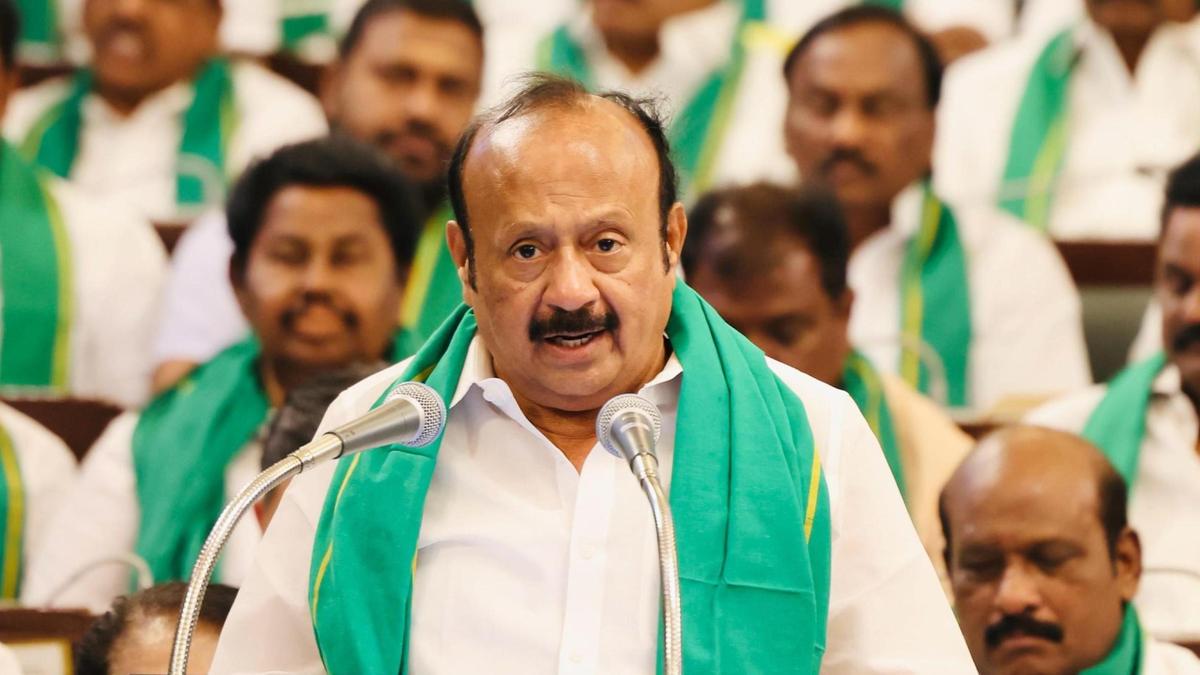
This is the second discharge plea; the first plea was allowed by a magistrate in 2016 but reversed by the High Court in 2025
Legal Battle Over Disproportionate Assets: The Case of M.R.K. Panneerselvam
The Madras High Court is set to preside over a critical legal juncture regarding M.R.K. Panneerselvam, who is seeking to be discharged from a long-standing case involving disproportionate assets dating back to 2011. A discharge plea is a significant legal maneuver where the accused requests the court to dismiss the charges before the trial formally begins, arguing that the evidence presented by the prosecution is insufficient to establish a prima facie case. This upcoming hearing represents a pivotal moment in a legal saga that has spanned over a decade, highlighting the complexities of financial litigation against public figures in India.
A Decade of Legal Oscillation
The 2016 Magistrate Ruling and the 2025 Reversal
The trajectory of this case is marked by a stark contrast in judicial interpretations. In 2016, a magistrate court had originally allowed Panneerselvam's first discharge plea, effectively granting him relief from the charges. However, the legal landscape shifted dramatically in 2025 when the High Court reversed that decision. This reversal indicates that the higher judiciary found merit in the prosecution's claims or identified flaws in the magistrate's original reasoning, thereby reinstating the charges and mandating that the legal process continue. The fact that Panneerselvam is now filing a second discharge plea suggests a strategic attempt to challenge the High Court's own previous reversal or to present new grounds for dismissal.
Understanding Disproportionate Assets Litigation
The Burden of Proof and the Prevention of Corruption Act
Cases involving disproportionate assets typically fall under the purview of the Prevention of Corruption Act. In such matters, the prosecution must demonstrate that the assets accumulated by the accused are significantly higher than their known legal sources of income. These cases are notoriously complex, often requiring exhaustive audits of bank statements, property registries, and tax filings over several years. For Panneerselvam, the 2011 origins of the case mean that the court must examine financial records from a different economic era, making the verification of "known sources of income" a meticulous and often contentious process.
The Implications of Judicial Delays
Systemic Challenges in the Indian Judiciary
The timeline of this case—stretching from 2011 to a 2025 reversal and a current hearing—serves as a case study for the systemic delays prevalent in the Indian judicial system. When a case takes over fourteen years to reach a definitive stage regarding the commencement of a trial, it raises questions about the efficacy of the legal process. The use of multiple discharge pleas is often a byproduct of this environment, as defendants seek to resolve cases through procedural exits rather than enduring decades-long trials that can exhaust financial and emotional resources.
Strategic Legal Maneuvering
The High-Stakes Nature of the Second Plea
By filing a second discharge plea, the defense is essentially betting that the High Court will reconsider the evidence in a light that favors the accused. If the court grants the discharge, the case ends immediately without the need for a full trial. However, if the plea is rejected, it reinforces the prosecution's position and clears the path for a rigorous trial. This creates a high-stakes environment where the outcome will either exonerate Panneerselvam entirely or force him to defend his assets in a detailed, public courtroom battle.
Future Trends and Potential Outcomes
Anticipating the Court's Decision
Looking forward, the High Court's decision will likely hinge on whether the defense can provide new, compelling evidence that was not considered during the 2025 reversal. If the court maintains its previous stance, we can expect the case to move toward the evidence-recording stage, where witnesses will be called and financial documents scrutinized. This case will likely be watched closely as a precedent for how the Madras High Court handles repeated discharge applications in corruption cases, potentially signaling a stricter approach toward defendants attempting to avoid trial through procedural motions.
Conclusion
The upcoming hearing in the Madras High Court is more than just a procedural step; it is the culmination of a legal tug-of-war that began in 2011. With a history of a 2016 discharge and a 2025 reversal, the court's current decision will determine whether M.R.K. Panneerselvam is freed from the charges or held accountable through a full trial. This case underscores the enduring struggle between the pursuit of accountability in assets cases and the procedural complexities of the Indian legal system.
Verification Required?