6 in 10 births in Maharashtra’s private hospitals are C-sections. Why?
Source Entity
Purnima Sah
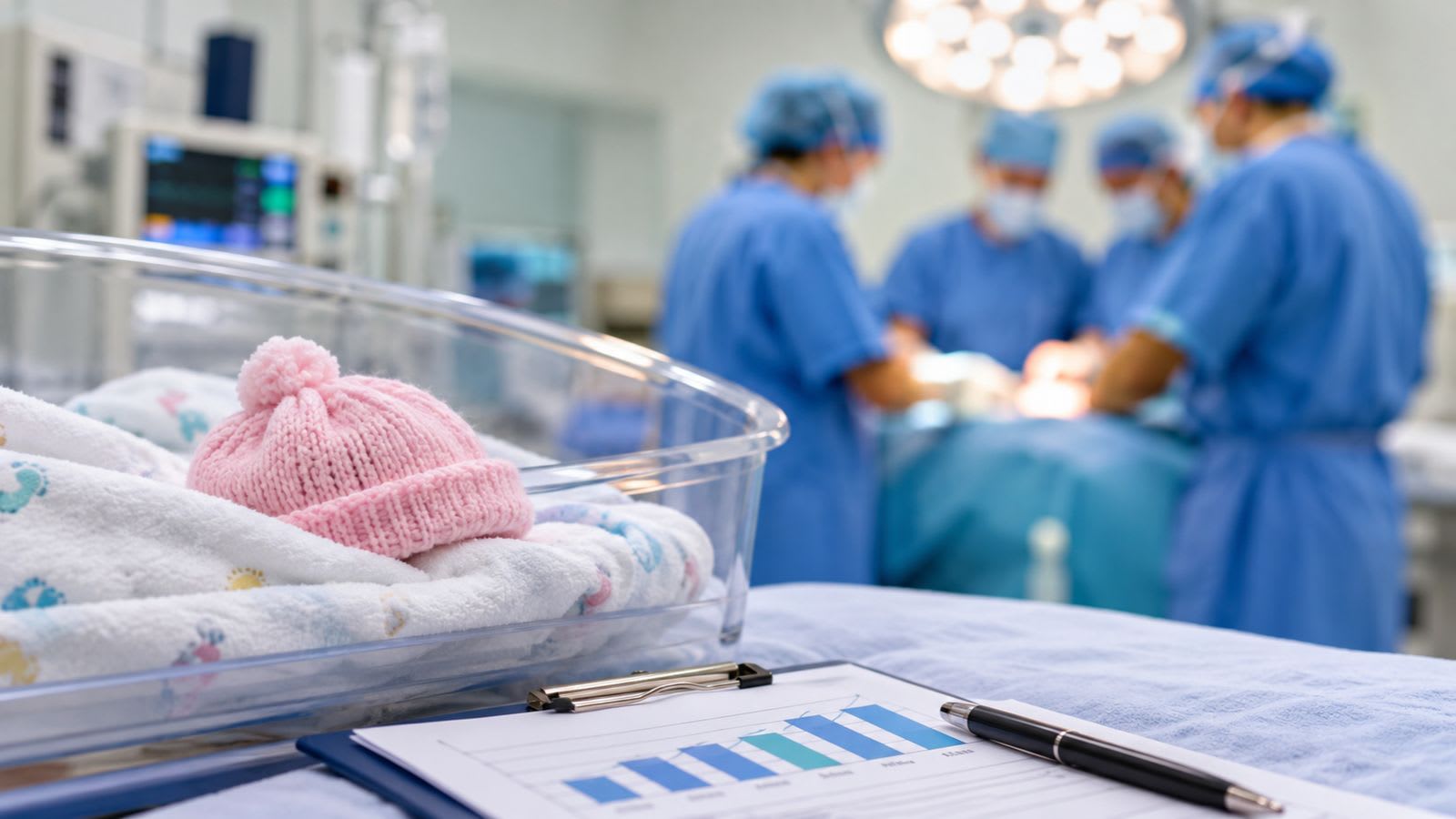
Maharashtra is launching an audit after data revealed that 60% of births in private hospitals are C-sections, compared to 37% in public facilities. The state aims to curb unnecessary surgeries by mandating clinical audits to ensure medical necessity.
The Rising Trend of Surgical Deliveries in Maharashtra
Recent data from the Health Management Information System (HMIS) for the 2026-27 period has brought to light a significant disparity in maternal healthcare practices across Maharashtra. With nearly six out of every 10 deliveries in private hospitals being performed via C-section, compared to 37 percent in public institutions, the state health department has initiated a rigorous audit process. This investigation seeks to uncover why private facilities exhibit a significantly higher rate of surgical intervention, a trend that raises critical questions regarding medical standards and patient welfare.
Analyzing the Public-Private Divide
The stark numerical gap—1,89,152 C-sections out of 3,18,683 deliveries in private hospitals versus 1,18,036 out of 3,23,245 in public hospitals—suggests a systemic divergence in obstetric protocols. While public hospitals maintain a lower, more controlled rate of surgery, the prevalence in private setups necessitates a closer look at the factors driving this discrepancy. Experts have long debated whether this gap is influenced by financial incentives, the desire for time efficiency, or a perceived reduction in legal liability for practitioners.
The Mandate for Clinical Audits
In response to these findings, the Maharashtra health department has directed all public health institutions to implement regular, systematic audits. The primary objective is to verify that C-sections are performed strictly based on medical necessity rather than elective convenience. By scrutinizing the clinical decision-making process, the state hopes to align private sector practices with evidence-based guidelines, ensuring that surgery is reserved for cases where vaginal birth poses a risk to the mother or the infant.
Implications for Maternal Health
Cesarean sections are life-saving procedures when medically indicated; however, they carry inherent surgical risks, including longer recovery times, potential complications from anesthesia, and risks for future pregnancies. When the rate of C-sections rises significantly above the clinical baseline, it suggests an over-medicalization of childbirth. The state's intervention is a crucial step toward protecting maternal health and ensuring that the decision to operate is driven by clinical indicators rather than external pressures.
Future Trends and Policy Outlook
Moving forward, the success of this audit will depend on the transparency of reporting and the enforcement of medical protocols. If the state can successfully normalize the rate of C-sections by holding private facilities accountable, it could serve as a model for other regions facing similar trends. The shift toward evidence-based obstetric care is essential for improving maternal outcomes and ensuring that the healthcare system prioritizes the long-term well-being of patients over procedural volume.