After farm loan waiver, Maharashtra to write off Rs 48,000-crore farm electricity dues
Source Entity
Shubhangi Khapre
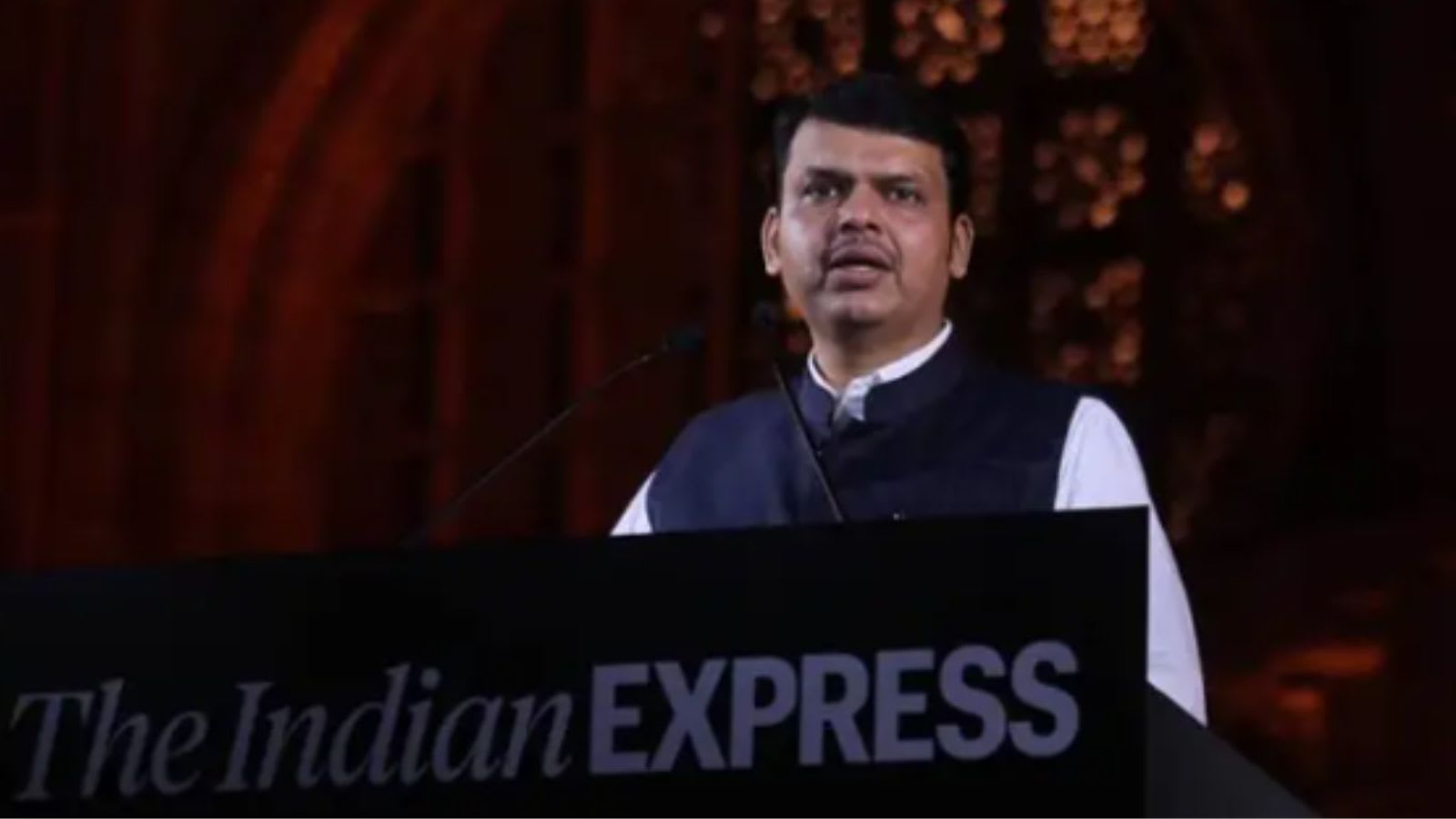
The Maharashtra government has announced a plan to write off approximately Rs 48,000 crore in outstanding farm electricity dues. This move follows a previous farm loan waiver and is part of a broader strategy to support the agricultural sector by leveraging increased revenue from the industry and services sectors.
Maharashtra's Bold Agrarian Relief: Analyzing the ₹48,000-Crore Electricity Due Write-Off
In a significant move aimed at alleviating the financial distress of the farming community, the Maharashtra government has announced the write-off of approximately ₹48,000 crore in outstanding farm electricity dues. This decision comes as a secondary layer of relief following a comprehensive farm loan waiver, signaling a strategic effort by the state administration to clear the balance sheets of rural producers. By removing the burden of accumulated power bills, the government seeks to provide farmers with a fresh financial start, enabling them to reinvest in their land and livestock without the looming threat of utility disconnection or mounting interest.
The Cycle of Agrarian Debt and Utility Arrears
To understand the gravity of this ₹48,000-crore waiver, one must look at the systemic nature of agricultural debt in India. Farmers often rely on subsidized electricity for irrigation, yet fluctuations in crop yields, unpredictable monsoon patterns, and volatile market prices frequently lead to a situation where electricity bills go unpaid for years. These arrears do not merely exist as numbers on a ledger; they represent a systemic failure where the cost of production exceeds the income from harvests. By wiping these dues, the state is effectively acknowledging that the debt had become unsustainable for the average farmer, transforming a stagnant liability into immediate economic breathing room.
Strategic Revenue Diversification and Cross-Subsidization
An essential aspect of this policy is the fiscal philosophy articulated by Deputy Chief Minister Devendra Fadnavis. The government's strategy is not based on blind spending but on a model of revenue diversification. By focusing on the growth of the industry and services sectors, Maharashtra aims to expand its overall tax base. The logic is clear: as the urban and industrial economy thrives, the state can generate a surplus that allows for greater allocations toward the agriculture sector. This approach creates a cross-subsidization mechanism where the high-growth sectors of the economy provide a safety net for the volatile agricultural sector, ensuring that rural stability is maintained through urban prosperity.
Political Implications and the Populist Paradigm
This move cannot be viewed in isolation from the political landscape of Maharashtra. The combination of a loan waiver and a massive electricity due write-off represents a powerful populist incentive designed to secure the loyalty of the rural electorate. In many Indian states, agrarian distress has historically led to political instability. By implementing these measures, the current administration is attempting to preempt rural unrest and address the core grievances of the farming community. This dual-pronged approach—tackling both institutional loans and utility debts—is a comprehensive attempt to reset the rural economy.
Fiscal Risks and the Health of DISCOMs
Despite the immediate benefits to farmers, such a massive write-off raises critical questions regarding the financial health of the state's power distribution companies (DISCOMs). Writing off ₹48,000 crore removes a significant asset from the utility companies' books, potentially increasing their deficit and relying more heavily on state government bailouts. There is a risk of creating a 'moral hazard,' where farmers may expect periodic waivers, leading to a lack of discipline in future bill payments. To mitigate this, the state will likely need to implement more efficient billing systems or transition toward direct benefit transfers (DBT) for power subsidies.
Future Outlook: Toward a Sustainable Rural Economy
Looking forward, the success of this initiative will depend on whether the relief leads to actual productivity gains. If farmers use their newfound liquidity to adopt modern irrigation techniques or high-yield seeds, the move will be a catalyst for growth. However, if the underlying issues of market access and crop pricing remain unaddressed, the debt cycle may simply repeat itself. The government's focus on increasing industrial revenue is a step in the right direction, but long-term sustainability will require a transition from debt waivers to structural reforms in agricultural marketing and insurance.
Conclusion
The Maharashtra government's decision to write off ₹48,000 crore in farm electricity dues is a high-stakes intervention aimed at rural recovery. While it provides immediate and necessary relief to millions of farmers and aligns with a broader strategy of utilizing industrial growth to fund social welfare, it also places a significant burden on the state's fiscal machinery. The ultimate measure of this policy's success will be whether it transforms the agricultural sector from one of dependency on waivers to one of self-sustaining profitability.