Noida building fire: The dos and don’ts of charging EVs at housing complexes
Source Entity
Devansh Mittal
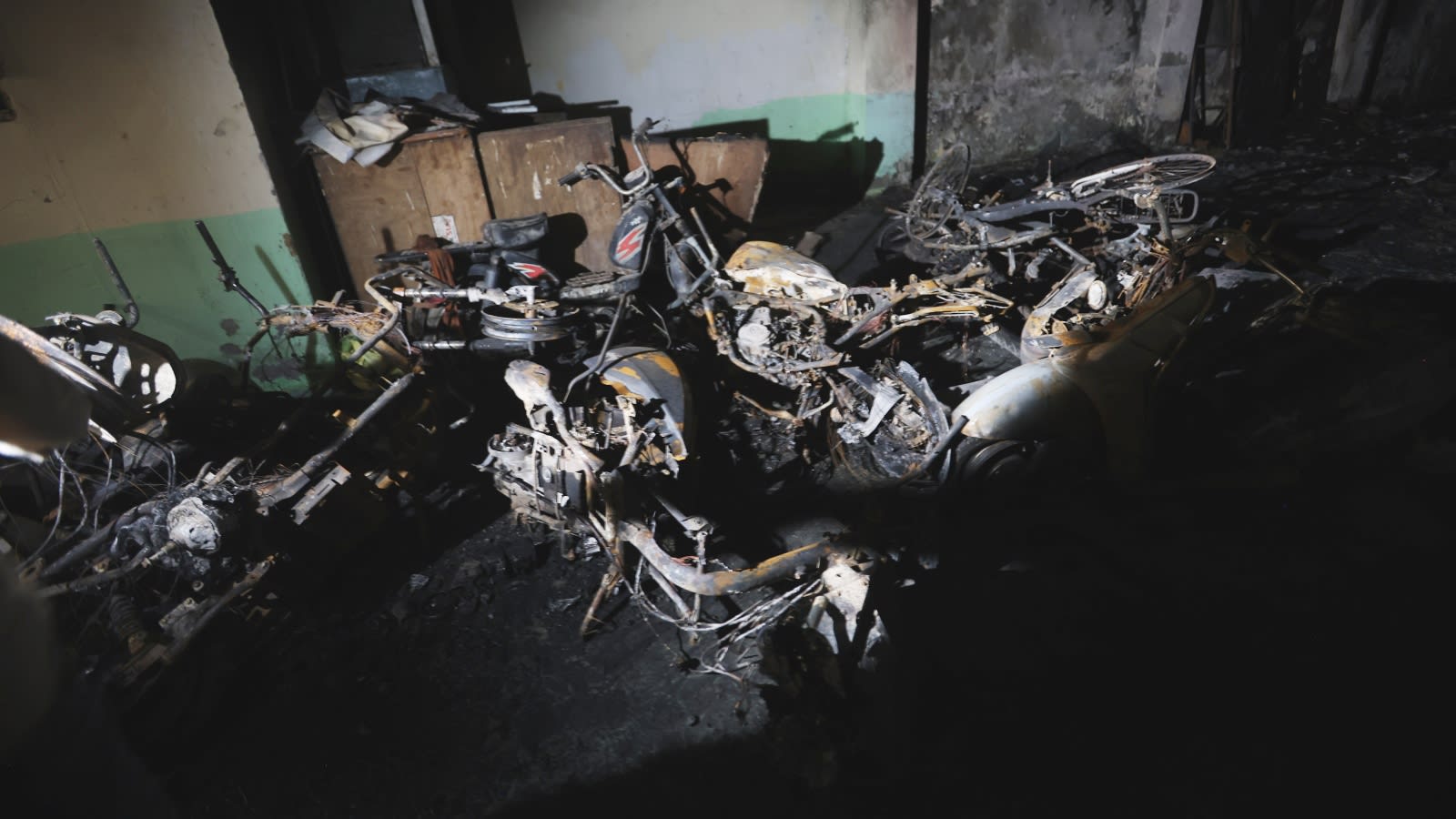
A residential fire in Noida has highlighted the urgent need for safety protocols regarding Electric Vehicle (EV) charging in housing complexes, emphasizing the risks of improper infrastructure.
The Noida Building Fire: A Wake-Up Call for Urban EV Safety
The recent fire in a Noida residential building serves as a stark reminder of the hidden dangers accompanying the rapid transition to electric mobility in India's urban centers. The image of residents, such as 30-year-old Aans Chaudhary, covered in soot and displaced from their homes, underscores the human cost of infrastructure failure. While the transition to Electric Vehicles (EVs) is a cornerstone of India's green energy goals, this incident reveals a critical gap between the adoption of EV technology and the readiness of residential housing complexes to support it safely.
The Technical Catalyst: Thermal Runaway and Infrastructure
At the heart of such incidents is often the phenomenon of 'thermal runaway,' where a battery cell enters an uncontrollable self-heating state, potentially leading to explosions or intense fires. In many Noida housing complexes, charging stations are often makeshift or installed without rigorous adherence to electrical load standards. When high-capacity EV batteries are plugged into aging electrical grids or low-quality wiring, the risk of short circuits and overheating increases exponentially. The soot-covered aftermath described in the report suggests a high-intensity fire, characteristic of lithium-ion battery combustion, which is notoriously difficult to extinguish with standard water-based firefighting equipment.
Regulatory Gaps in Residential Management
This event highlights a systemic failure in how residential welfare associations (RWAs) and developers manage the integration of EV charging. Many buildings in Noida were constructed long before the EV boom, meaning their electrical panels were not designed for the sustained high-amperage draw required by EV chargers. The lack of standardized guidelines for 'dos and don'ts' in these complexes often leads residents to use non-certified chargers or extend power lines from apartments to parking lots, creating hazardous 'daisy-chain' electrical setups that are prime catalysts for residential fires.
Essential Safety Protocols for Housing Complexes
To prevent a recurrence of the Noida tragedy, there must be a strict implementation of EV charging protocols. Dos include installing chargers only through certified electricians, using Automatic Fire Suppression Systems (AFSS) in parking zones, and ensuring that charging points are located in well-ventilated areas to dissipate heat. Conversely, the don'ts are equally critical: residents must avoid charging vehicles overnight without supervision and refrain from using domestic-grade extension cords for high-voltage vehicle charging. The incident in Noida proves that convenience cannot come at the expense of rigorous safety audits.
Broader Implications for India's Green Transition
Beyond this single event, the Noida fire signals a broader challenge for India's 'FAME' (Faster Adoption and Manufacturing of Hybrid and Electric Vehicles) initiative. For EV adoption to be sustainable, the focus must shift from merely selling vehicles to building 'smart' and 'safe' infrastructure. This includes the mandatory upgrading of building codes to include fire-rated walls around charging bays and the installation of specialized Class D fire extinguishers capable of handling metal fires. Without these systemic changes, the fear of residential fires could potentially hinder the public's willingness to switch to electric mobility.
Conclusion: Moving Toward a Safer Electric Future
The tragedy in Noida is a cautionary tale that bridges the gap between technological progress and urban safety. While the shift to EVs is inevitable and necessary for the environment, the safety of residents like Aans Chaudhary must remain the priority. By integrating strict electrical audits, resident education, and modernized building regulations, urban centers can ensure that the drive toward a greener future does not leave a trail of destruction in its wake.