Cockroaches, Lizards: Licences Of Blinkit, Instamart And Zepto Facilities Suspended
Source Entity
NDTV News Search Records Found 1000
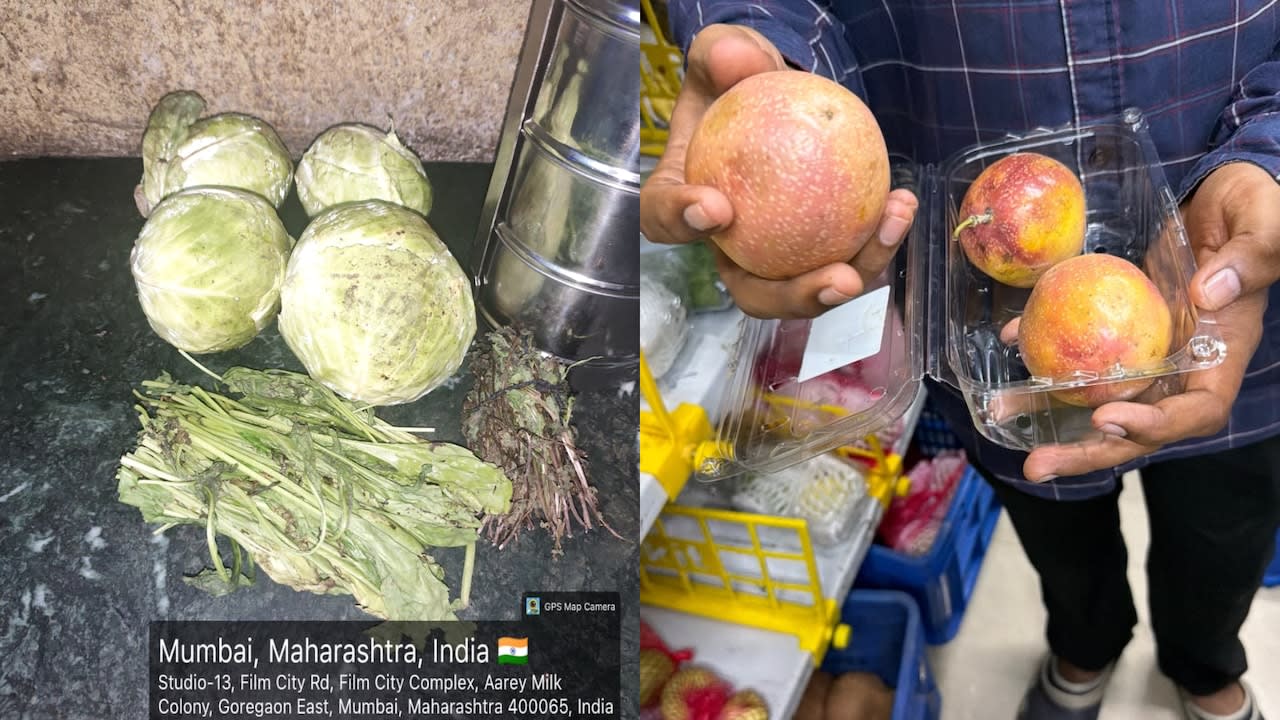
The Maharashtra FDA has suspended the licenses of 14 quick-commerce hubs operated by Blinkit, Zepto, and Instamart due to severe hygiene violations. Inspections revealed pest infestations and expired food, prompting 60 improvement notices across the state.
Regulatory Crackdown on Quick-Commerce Giants
The Maharashtra Food and Drug Administration (FDA) has taken a significant regulatory stance by suspending the licenses of 14 food storage and distribution hubs associated with major quick-commerce platforms, including Blinkit, Zepto, and Instamart. This action follows a statewide inspection drive conducted on August 13, which scrutinized 86 establishments involved in the storage and delivery of food items. The findings represent a critical juncture for the rapidly expanding quick-commerce sector, which has prioritized delivery speed over traditional brick-and-mortar oversight.
Uncovered Hygiene and Safety Violations
During the inspections, authorities identified severe lapses in food safety protocols. Reported violations included the presence of cockroaches and lizards within storage facilities, the handling of expired food products, and inadequate temperature regulation. These findings highlight a systemic failure in maintaining basic hygiene standards, which are essential for preventing foodborne illnesses. The FDA's decision to suspend licenses indicates that these were not minor clerical errors but significant breaches that threatened public health.
The Scale of Enforcement
Beyond the 14 immediate license suspensions, the FDA issued 60 improvement notices to various other facilities. This indicates that the issues uncovered were widespread rather than isolated to a single operator. The corrective measures mandated by the FDA require these companies to overhaul their pest management systems, improve storage infrastructure, and implement rigorous temperature control protocols to ensure the integrity of the food supply chain before their operations can resume or continue.
Broader Implications for the Gig Economy
This incident shines a spotlight on the inherent challenges of the 'dark store' model, where high-speed delivery demands often clash with the necessity of careful food handling. As quick-commerce becomes an integral part of urban consumption, the regulatory pressure to maintain safety standards is intensifying. This event serves as a warning to other operators in the e-commerce space that rapid growth and convenience cannot come at the expense of consumer safety and hygiene compliance.
Future Trends and Regulatory Oversight
Looking ahead, it is highly probable that food safety regulators across India will adopt a more proactive and stringent approach toward quick-commerce warehouses. Operators will likely be forced to invest more heavily in automated monitoring systems for temperature and inventory expiration, as well as third-party pest control audits. The industry must now transition toward a model where 'speed' is balanced with 'safety,' as continued non-compliance risks not only further license suspensions but also significant reputational damage and loss of consumer trust.
Multiple Citing Sources
Verification Required?