Maharashtra FDA suspends 14 licences of Zepto, Blinkit, Instamart outlets
Source Entity
The Indian Express
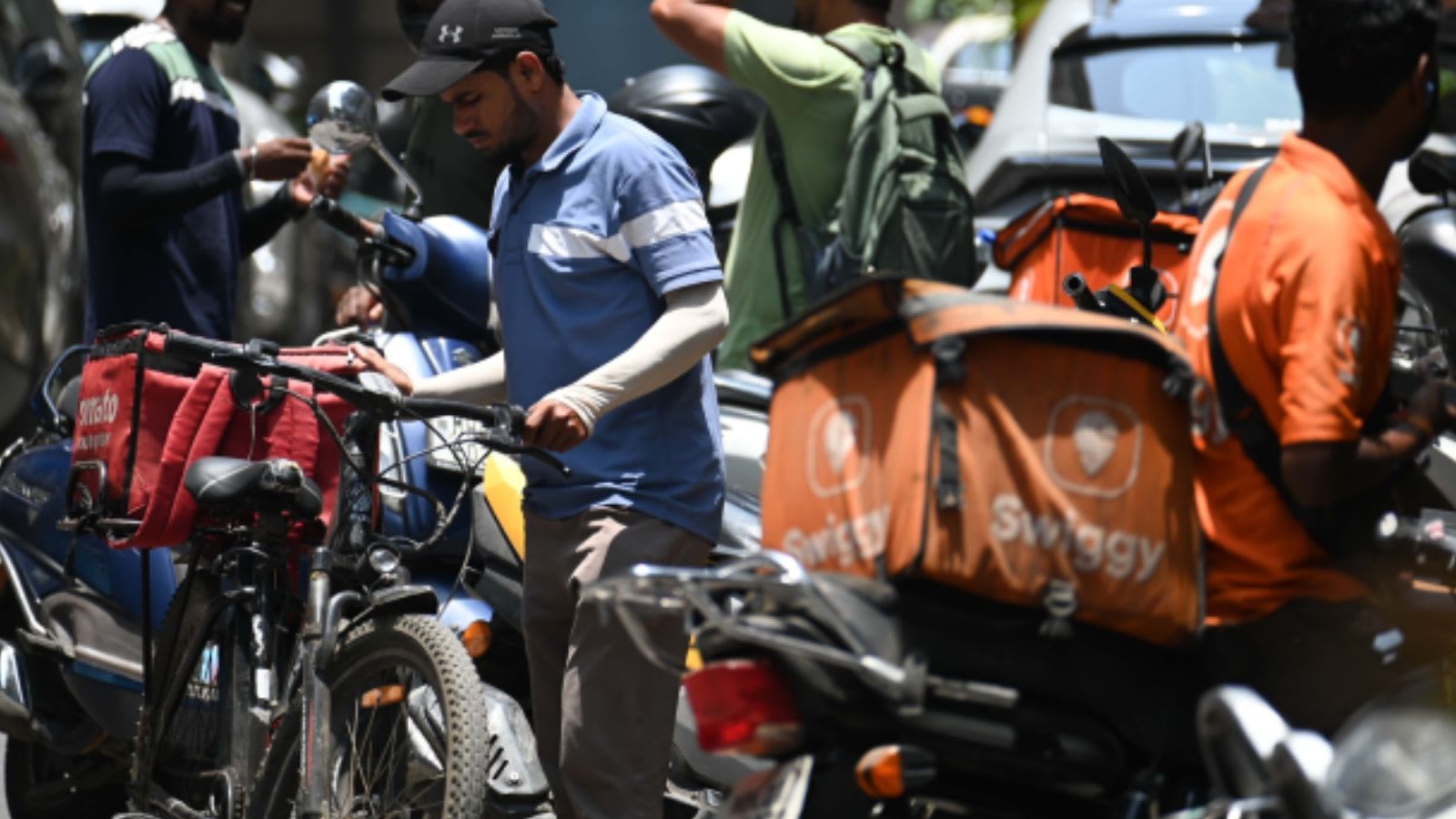
The Maharashtra FDA has suspended 14 licenses of quick-commerce outlets, including Zepto, Blinkit, and Instamart, following inspections that revealed significant hygiene and food safety failures. These regulatory actions highlight increasing scrutiny on the rapid delivery sector's operational standards.
Regulatory Crackdown on Quick-Commerce Giants
The Maharashtra Food and Drug Administration (FDA) has taken decisive action against the booming quick-commerce sector by suspending 14 licenses belonging to major delivery platforms, including Zepto, Blinkit, and Instamart. This move follows a comprehensive statewide inspection drive conducted on August 13, which scrutinized 86 different establishments involved in the online food supply chain. The suspension of these licenses serves as a stark indicator that the rapid expansion of the '10-minute delivery' model is facing significant regulatory friction regarding health and safety standards.
Scope of the Inspection and Violations
The investigation was not limited to a single entity but cast a wide net across the retail landscape, revealing systemic issues regarding how food is stored and handled before it reaches the consumer. Out of the 86 establishments inspected, the FDA found that 14 outlets failed to meet mandatory hygiene and food safety protocols, necessitating immediate license suspension. Beyond the suspensions, the FDA issued formal improvement notices to 60 other establishments, indicating that the majority of the inspected sites were operating with sub-optimal safety compliance.
Breakdown of Impacted Entities
The enforcement action heavily targeted the dominant players in the quick-commerce space. The list of suspended licenses includes five outlets each from Blinkit and Zepto, two from Instamart, and one each from Bhagwati Stores and Swins. By targeting multiple outlets of the same parent companies, the Maharashtra FDA has signaled that these hygiene failures are not isolated incidents at individual storefronts but rather a broader concern that requires attention at the corporate operational level.
Broader Implications for Quick-Commerce
This development marks a pivotal moment for the quick-commerce industry in India. For years, the sector has prioritized speed and convenience, often operating out of 'dark stores'—small, localized warehouses not designed for traditional retail. The FDA's intervention underscores the necessity for these companies to bridge the gap between logistics efficiency and the stringent food safety requirements mandated for physical food storage. The fact that one establishment was ordered to halt business immediately highlights the severity of the identified risks.
Future Trends and Regulatory Outlook
Looking ahead, it is highly probable that state regulators across India will increase the frequency and intensity of inspections within the quick-commerce sector. As consumer reliance on these platforms grows, the demand for transparency in supply chain hygiene will likely become a competitive differentiator. Companies that fail to institutionalize rigorous health checks within their dark store networks will face not only legal penalties but also significant reputational damage. Moving forward, the industry must shift its focus toward integrating food safety management systems directly into their rapid-delivery infrastructure to ensure long-term viability.