Maharashtra Government unveils Fodder Development Policy to tackle shortage
Source Entity
India Latest News: Top National Headlines Today & Breaking News | The Hindu
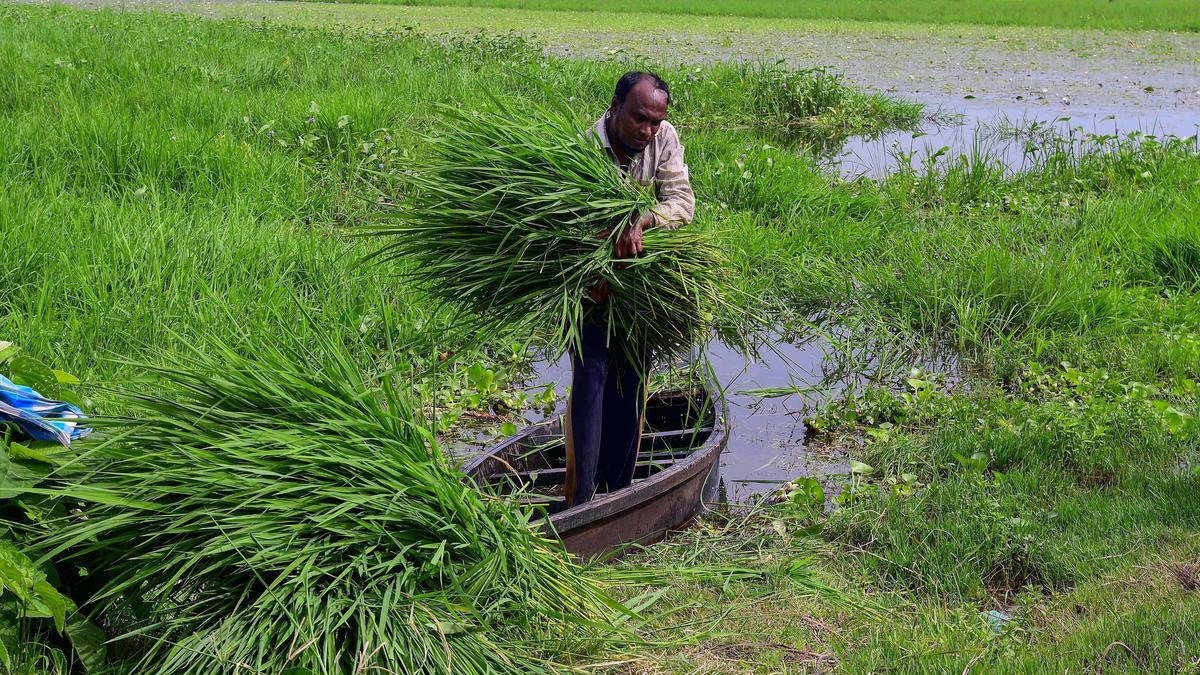
The Maharashtra government has launched a comprehensive Fodder Development Policy to address recurring shortages in the dairy sector. This initiative includes district-specific cultivation plans for grasses and fodder trees to mitigate the impact of ongoing drought conditions.
Maharashtra’s Strategic Response to Fodder Scarcity
In a proactive move to stabilize the state's vital dairy sector, the Maharashtra cabinet announced the Fodder Development Policy on September 29, 2026. This policy represents a structural shift toward proactive resource management, aiming to address the chronic fodder shortages that frequently plague the region's agricultural economy. By institutionalizing a district-wise framework for the cultivation of grasses, fodder-producing trees, and improved crop varieties, the government is attempting to move beyond reactive relief measures.
Addressing the Drought Crisis
The necessity for this policy is underscored by the current environmental challenges facing the state. With the government imposing 'Trigger 1' drought protocols in 265 talukas during the 2026 kharif season, the availability of livestock feed has become a critical concern for farmers. This policy serves as a direct intervention to ensure that the dairy industry—a backbone of rural livelihoods—remains viable even during periods of severe climatic stress and water scarcity.
Scientific Approach to Fodder Cultivation
A core component of the new initiative involves the systematic categorization of fodder sources. By creating a definitive list of suitable grasses and non-traditional sources, the state is providing farmers with a science-backed roadmap for cultivation. This approach is designed to optimize land use, ensuring that even marginal lands can be repurposed for fodder production, thereby increasing the overall biomass available for livestock consumption.
Long-term Agricultural Resilience
Beyond immediate relief, the policy focuses on the long-term sustainability of fodder production. By integrating both traditional and non-traditional fodder sources into the development schemes, the government aims to create a diverse and resilient supply chain. This diversification is essential to insulate the dairy sector from the volatility of monsoon cycles, which have historically dictated the availability of animal feed in Maharashtra.
Governance and Implementation
The administrative commitment to this policy is evident in the forthcoming government resolution (GR) announced by Chief Minister Devendra Fadnavis. The formalization of these schemes into a legislative and administrative framework ensures that the district-wise plans are not merely suggestions but actionable government mandates. This structured oversight will be vital in coordinating between agricultural departments and local farming communities to maximize the impact of the policy.
Future Outlook for the Dairy Sector
Looking ahead, the successful implementation of this Fodder Development Policy could serve as a model for other drought-prone regions in India. By prioritizing the stability of fodder supply, Maharashtra is effectively securing the income streams of thousands of dairy farmers. As the state continues to refine its drought management strategies, this policy will likely be viewed as a foundational element in modernizing agricultural practices and protecting rural economic stability against the backdrop of changing climate patterns.
Verification Required?