Main accused in Begusarai hotel assault and rape case arrested by SIT
Source Entity
ANJALI SINGH
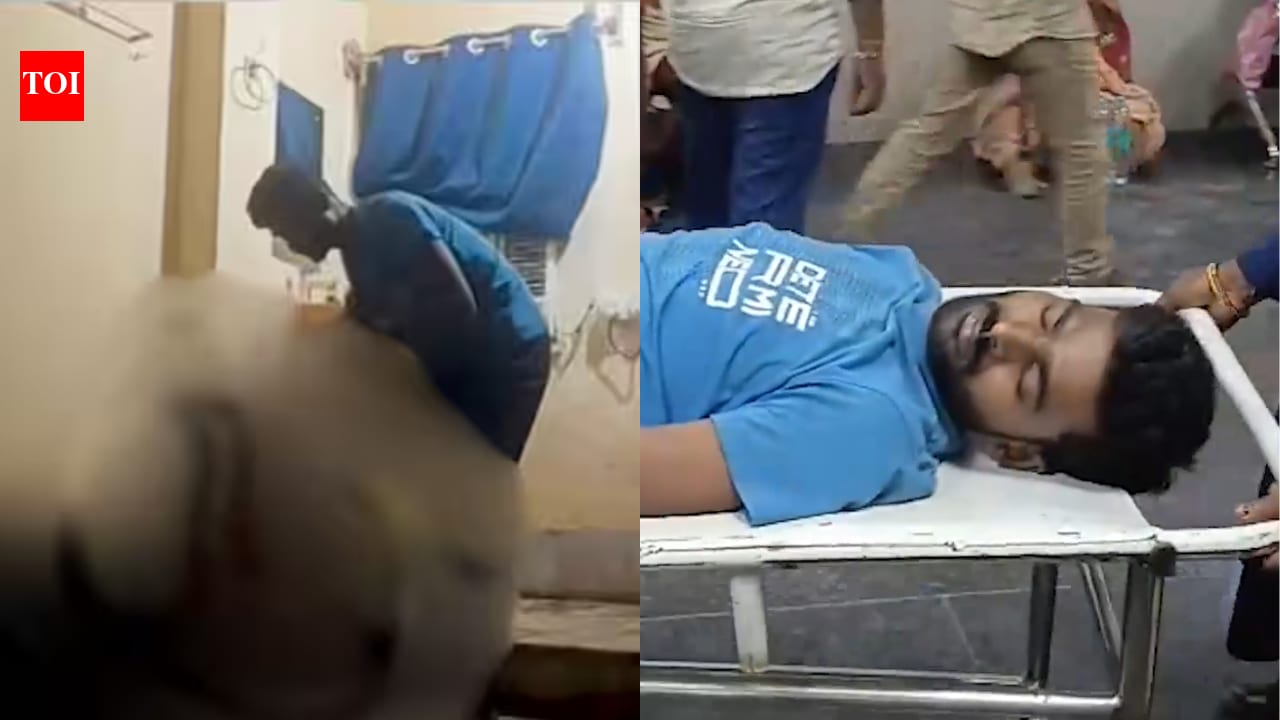
Recent reports from Bihar highlight a disturbing rise in violent crimes against women and minors, including sexual assault, blackmail, and public harassment. Authorities have initiated arrests and investigations following viral social media evidence across Begusarai, Banka, and Gaya districts.
Surge in Crimes Against Women and Minors in Bihar: An Analytical Overview
The Escalation of Violence
Recent reports from the state of Bihar have unveiled a series of disturbing criminal incidents that underscore a concerning trend of violence against women and minors. In Begusarai, the arrest of Rohit Kumar Sahni—the primary suspect in a hotel-based rape and assault case—marks a significant development in the pursuit of justice. The suspect, who was apprehended by a joint effort of the local police and a Special Investigation Team (SIT) from Samastipur, reportedly attempted to evade custody by jumping from a police vehicle, resulting in injuries that required hospitalization. This arrest follows the earlier apprehension of a secondary suspect, signaling a concerted effort by law enforcement to address the fallout from a viral video that exposed the brutality of the assault.
Voyeurism as a Tool for Coercion
In a parallel development, the Banka district has become the site of a harrowing case involving the systematic exploitation of a woman. The victim alleged that two individuals, identified as Shivam Sharma and Rahul Sharma, secretly filmed her while she was bathing. This act of voyeurism was subsequently weaponized to facilitate six months of continuous sexual assault and blackmail, with the perpetrators threatening to circulate the compromising material on social media. This case, occurring shortly after the Mandar Parvat molestation incident, has ignited a significant political discourse regarding the safety of women and the efficacy of current protective measures in rural Bihar.
Public Harassment and the Role of Social Media
Adding to the climate of insecurity is the incident in Mahuadih village, near Gaya, where two minors were targeted by a group of youths. The victims were intercepted while traveling on a motorcycle, subjected to verbal abuse, and physically assaulted. The perpetrators further intimidated the victims by vandalizing their vehicle and forcing them to remain at the location. Notably, the investigation into this incident was catalyzed by the circulation of a video on social media, which provided authorities with the necessary evidence to identify and arrest two suspects, illustrating the double-edged sword of digital documentation in modern criminal investigations.
Institutional and Forensic Responses
In response to these events, the Bihar police have been aggressively utilizing Forensic Science Laboratory (FSL) teams and formal FIR registrations to build robust cases. The use of medical examinations for victims and the securing of crime scenes—such as the hotel room in the Begusarai case—demonstrates an attempt to adhere to rigorous judicial standards. However, the recurring nature of these incidents, characterized by the public nature of the assaults and the use of technology to facilitate crimes, suggests that local law enforcement is facing a multifaceted challenge that transcends traditional policing methods.
Broader Implications and Future Trends
These incidents collectively point to a systemic crisis that has triggered a political firestorm within the state. The trend of filming crimes and circulating them online not only serves as a tool for blackmail but also acts as a catalyst for public outrage, forcing police departments to fast-track investigations that might otherwise languish. Moving forward, it is likely that authorities will face increased pressure to implement more proactive surveillance and community-policing strategies. Unless the root causes of these social behaviors—ranging from gender-based power dynamics to the misuse of digital platforms—are addressed, the cycle of violence and the subsequent reactive policing will likely remain a dominant feature of the regional landscape.
Multiple Citing Sources