Maharashtra draft SIR red flag: 1.22 crore voters under scanner – Who’s at risk?
Source Entity
Vallabh Ozarkar, Alok Deshpande
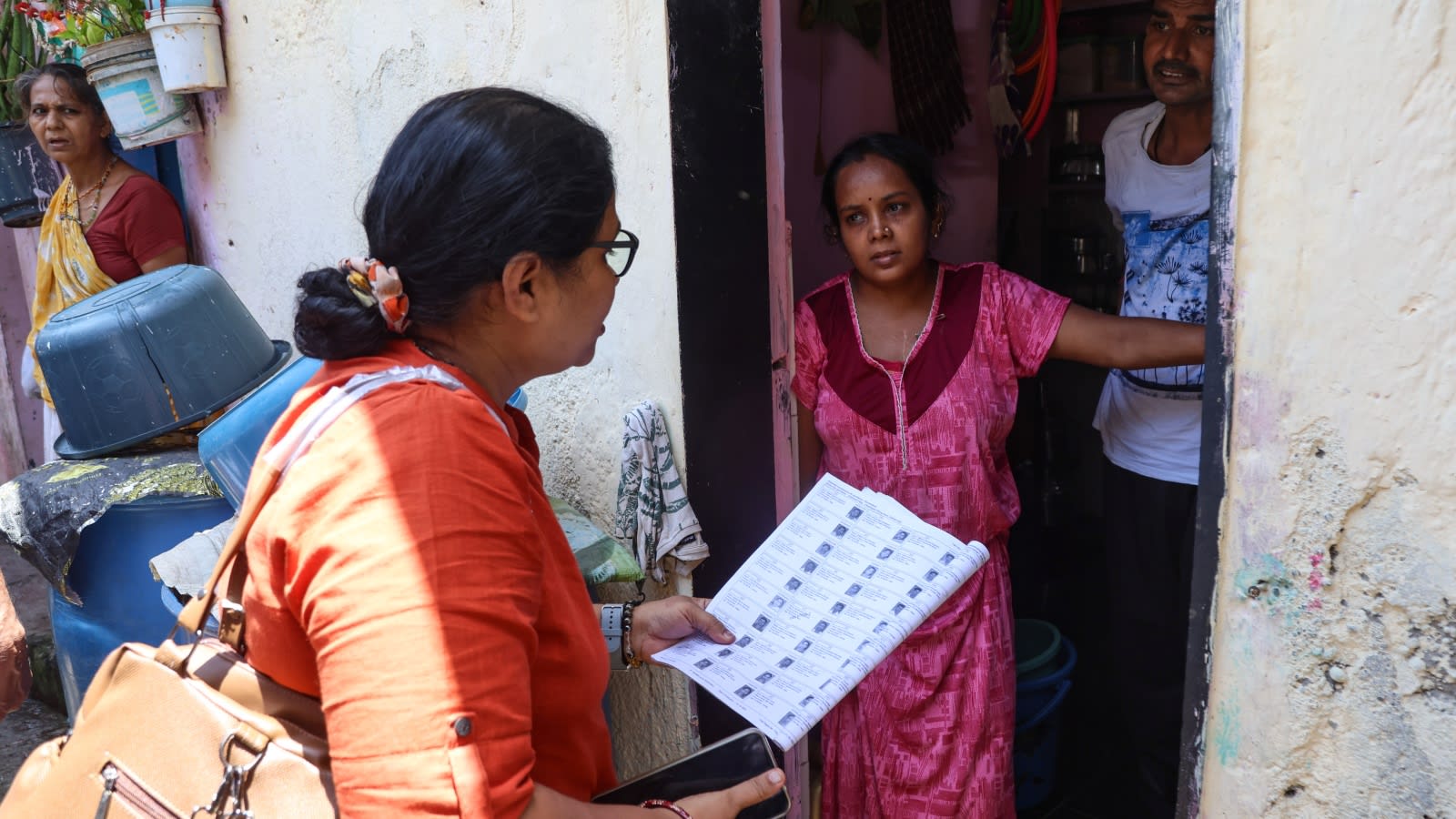
Election authorities in Maharashtra and Karnataka are conducting a Special Intensive Revision (SIR) to verify over 1.22 crore voters. These individuals face scrutiny due to record discrepancies or missing relative mappings, necessitating documentation and potential hearings to maintain electoral roll status.
Understanding the Special Intensive Revision (SIR) Process
The ongoing Special Intensive Revision (SIR) across Maharashtra and Karnataka represents a significant administrative effort by the Election Commission to ensure the integrity and accuracy of electoral rolls. With over 1.22 crore voters in Maharashtra alone currently under scrutiny, the scale of this exercise highlights the complexities involved in maintaining a democratic database of this magnitude. The initiative is not an arbitrary purge but a systematic verification process designed to reconcile inconsistencies in voter records.
Why Voters Are Being Flagged
The scrutiny is primarily driven by two specific data issues. First, there are 62,48,281 voters in Maharashtra whose records contain discrepancies regarding the details of their listed relatives. Second, 59,75,726 voters could not be successfully mapped to a relative, creating a gap in the genealogical or household verification protocols used by electoral authorities. These technical mismatches often stem from outdated records, such as those dating back to 2002, or changes in naming conventions due to personal circumstances, such as relocation or international travel.
The Administrative Burden on Citizens
As seen in the case of voters in Karnataka's Dakshina Kannada district, the process requires active participation from the citizenry. Voters receiving notices are often required to visit Booth Level Officers (BLOs) to provide additional documentation. The anxiety surrounding this process is palpable, as many citizens fear that a failure to present the correct documents—or an inability to prove identity due to minor name changes—could result in their exclusion from the final electoral rolls.
Due Process and Protection Against Disenfranchisement
It is critical to clarify that being flagged does not equate to automatic deletion. The Election Commission has established a mechanism where affected individuals are issued individual notices. This provides a formal window for voters to rectify their details, submit supporting documents, and even attend hearings to advocate for their inclusion. This safeguard is essential to prevent mass disenfranchisement and ensures that the SIR remains a tool for data cleanup rather than a mechanism for voter suppression.
Broader Implications for Electoral Integrity
The SIR process underscores the broader challenge of maintaining digital voter registries in a country as populous as India. As databases become more digitized, legacy errors—such as those involving initials or spelling discrepancies from decades-old rolls—come to the surface. While the immediate effect is a period of uncertainty for millions of voters, the long-term goal is a cleaner, more accurate electoral roll that reflects the current reality of the population, thereby bolstering the foundation of the democratic process.
Future Trends and Conclusion
Moving forward, we can expect the Election Commission to continue refining its data-matching algorithms to minimize false positives in voter identification. As the integration of digital identity documents becomes more seamless, the need for physical verification may decrease. However, for now, the SIR remains a vital, albeit challenging, step in ensuring that every eligible citizen is correctly accounted for in the national electoral database.