Maharashtra Ministers call for DJ-free festivals citing health hazards
Source Entity
India Latest News: Top National Headlines Today & Breaking News | The Hindu
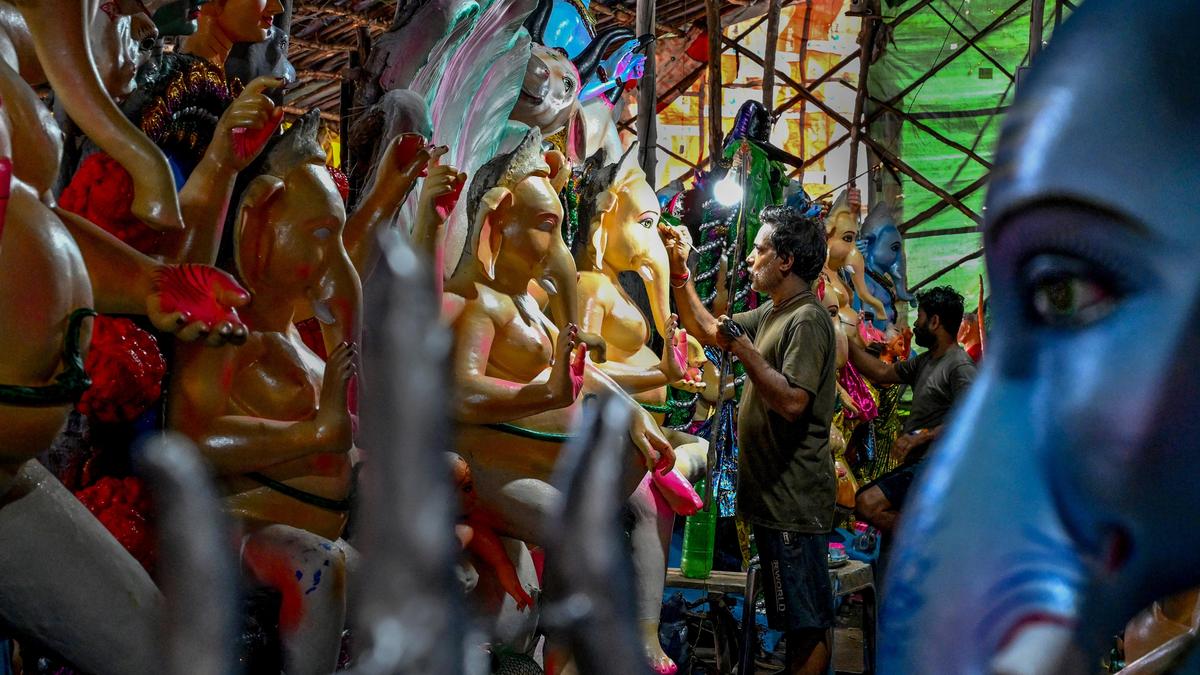
Maharashtra ministers are advocating for a ban on DJ systems during festivals to curb noise pollution and prevent health-related tragedies. This push, supported by activists, emphasizes a shift back to traditional music to ensure public safety.
The Push for DJ-Free Festivals in Maharashtra
A significant policy shift is emerging in Maharashtra, as high-ranking government officials and local activists unite to call for an end to the use of high-powered DJ sound systems during public festivals. Minister of State for Health, Meghana Bordikar, and district Guardian Minister Sanjay Shirsat have spearheaded this initiative, arguing that the pervasive use of high-decibel equipment poses a severe public health risk that can no longer be ignored.
The Human Cost of Noise Pollution
At the heart of this movement is a deeply personal and tragic narrative. Minister Bordikar has publicly linked the dangers of these sound systems to the death of her own cousin last year, highlighting that these are not merely abstract noise complaints but life-threatening hazards. Her testimony serves as a sobering reminder that the unregulated use of high-decibel systems can lead to fatal consequences, transforming communal celebrations into sites of personal tragedy.
Legal Framework and Enforcement
Despite the existence of clear Supreme Court guidelines regarding noise pollution, compliance remains a persistent challenge in Maharashtra. Minister Shirsat has signaled a shift toward stricter governance, confirming that the city administration and local police will be tasked with the rigorous enforcement of existing noise regulations. The goal is to move away from the current landscape of unchecked volume and toward a more controlled, law-abiding environment for public gatherings.
Activism and Community Influence
The momentum for this movement is not solely driven by political figures; it is bolstered by grassroots activism. Pune-based activist Vidyanad Bapat has emerged as a central voice in this debate, effectively framing the issue as a public health crisis. By challenging the cultural reliance on high-powered loudspeakers, activists like Bapat are forcing a broader societal dialogue on how festivals can be celebrated without encroaching on the well-being of the general public.
A Return to Tradition
As the administration pushes for a ban on DJ systems, they are simultaneously promoting a return to traditional music as an alternative. By encouraging organizers to adopt cultural practices that do not rely on high-decibel amplification, the government hopes to preserve the spirit of festivity while mitigating the negative externalities of noise. This effort seeks to harmonize cultural expression with the health and safety of the community.
Future Implications and Trends
If successfully implemented, this initiative could serve as a template for other Indian states facing similar challenges with noise pollution during religious and social festivals. The transition from high-decibel DJ culture to traditional musical performances may fundamentally alter how public events are organized in Maharashtra. Success will depend on the government’s ability to maintain consistent enforcement and the public’s willingness to embrace a quieter, yet equally enthusiastic, form of celebration.
Verification Required?