New police station rules in Maharashtra: Crime will now decide police manpower
Source Entity
Zeeshan Shaikh
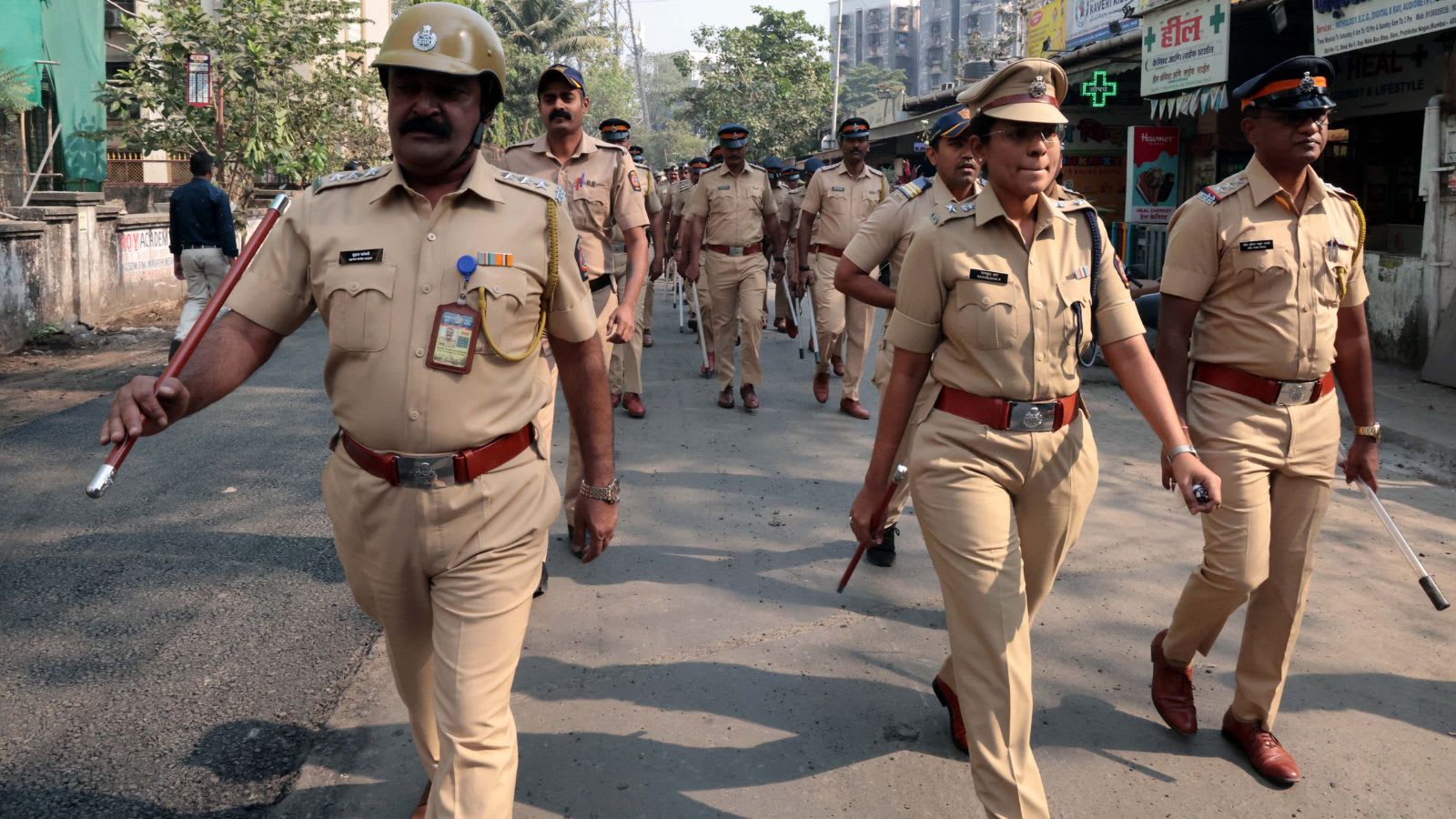
Maharashtra is modernizing its police staffing framework, moving away from outdated 1960s norms to a crime-and-population-based model. This shift aims to improve efficiency by categorizing police stations based on specific operational needs and modern challenges.
Maharashtra Overhauls Police Staffing Framework
Maharashtra has initiated a significant administrative shift, moving away from a rigid police staffing framework that had been in place since 1960. By replacing these antiquated norms, the state government is aligning its law enforcement infrastructure with the contemporary realities of rapid urbanization, industrial growth, and evolving criminal landscapes. This structural transformation is a direct response to the increasing inadequacy of the old system, which failed to account for the complexities of modern policing.
Data-Driven Resource Allocation
The core of this new strategy involves linking police manpower directly to specific metrics: crime levels, local population density, and the unique nature of policing required in a given jurisdiction. Under these revised norms, police stations located outside the Brihanmumbai Police Commissionerate are now classified into A, B, or C categories. For instance, in a Commissionerate outside Mumbai, an A-category station will be allocated 166 personnel, while a B-category station will operate with 149. This granular approach ensures that resources are distributed where they are most urgently needed rather than adhering to a one-size-fits-all model.
Addressing Modern Crime Challenges
The necessity for this overhaul is underscored by the changing nature of criminal activity. The government has explicitly cited the rise of cybercrime and the impact of industrialization as primary drivers for this change. The 1960s framework, designed for a different era, could not adequately address the sophisticated digital threats or the increased demand for surveillance and community management that characterize today’s policing environment. By recalibrating based on current crime trends, the state aims to enhance the effectiveness and responsiveness of its force.
Judicial Oversight and Institutional Reform
This policy revision is not merely an internal administrative decision but follows explicit directions from the Bombay High Court. The judiciary’s involvement highlights the critical nature of these reforms, suggesting that the previous staffing levels were potentially compromising public safety and institutional efficiency. The court's intervention has acted as a catalyst, compelling the state to modernize its approach to staffing and the creation of new police stations.
Future Implications for Public Safety
Looking ahead, this transition represents a move toward a more agile and proactive police force. By formalizing the categorization process, the government provides a scalable blueprint that can adapt to future demographic shifts. As Maharashtra continues to develop, this framework allows for the periodic reassessment of police stations, ensuring that manpower levels remain synchronized with the actual burden of crime and the needs of the local population. This systematic evolution is likely to set a precedent for other states grappling with the limitations of colonial-era administrative structures.