Maharashtra barred tribal students in government hostels from protesting. Then came the protests
Source Entity
Ankita Deshkar
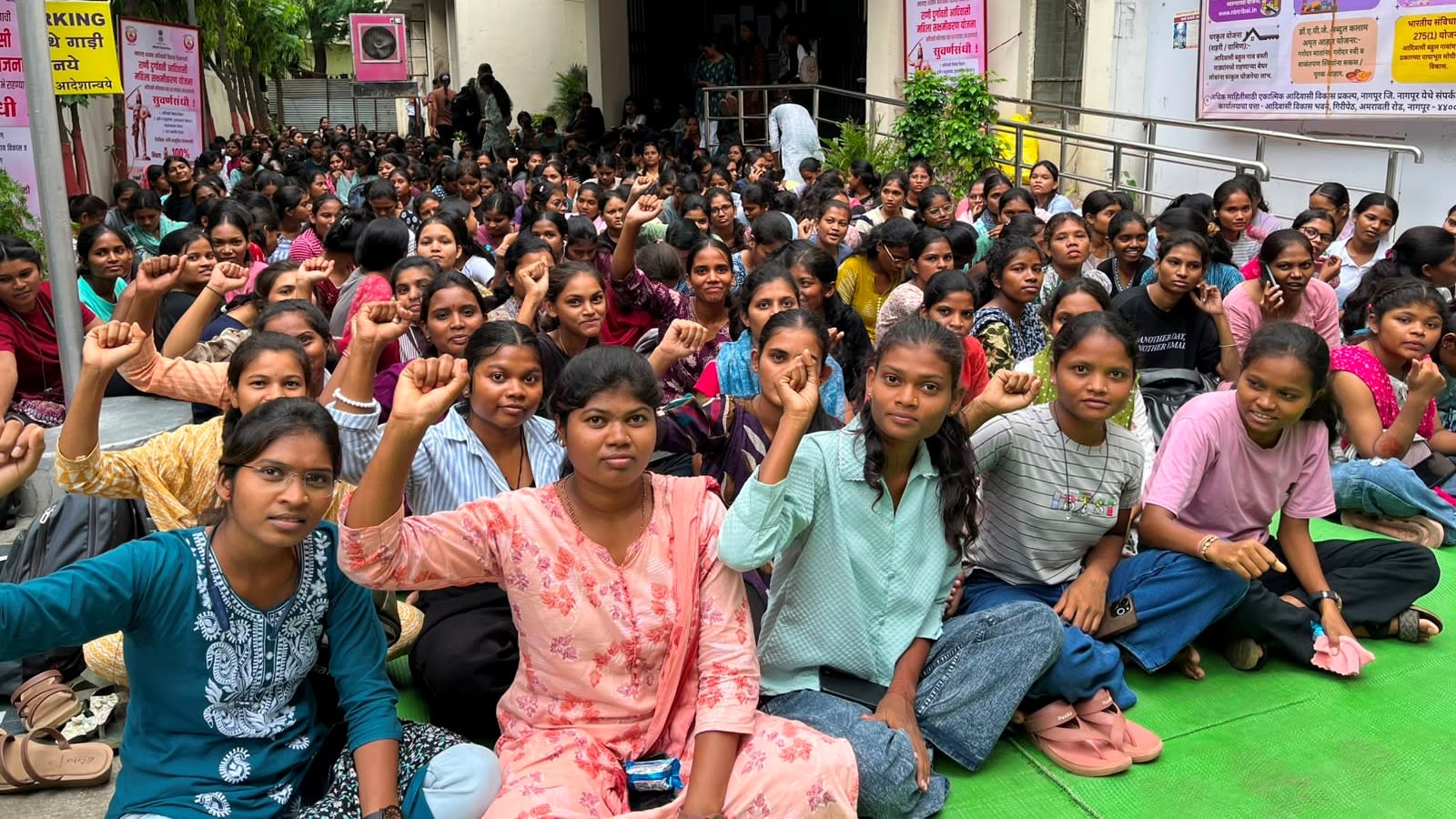
The Maharashtra government has reversed a controversial rule that banned tribal students in government hostels from protesting. Additionally, authorities increased the maximum age limit for hostel admission from 26 to 30 years.
The Shift in Maharashtra's Tribal Hostel Policy
In a significant policy reversal, the Maharashtra government has rescinded a contentious directive that prohibited Scheduled Tribe (ST) students residing in state-run hostels from engaging in protest activities. The initial mandate, issued via a Government Resolution (GR) on August 5, had sought to restrict students from participating in hunger strikes, protest marches, and similar demonstrations. This move triggered widespread backlash among the tribal student community, who viewed the restriction as an infringement on their fundamental rights to free speech and assembly.
The Anatomy of the Controversy
The August 5 GR was particularly notable for being the first of its kind to explicitly codify a ban on political expression within the hostel system. By targeting the very demographics meant to be supported by state infrastructure, the government faced immediate friction. The students argued that these hostels serve as essential hubs for academic and social growth, and silencing their ability to voice grievances would undermine their participation in the democratic process.
Addressing Age-Related Barriers
Beyond the protest ban, the state government also addressed the contentious issue of age limits for hostel admissions. The August 5 GR had introduced an upper age limit of 26 years, a departure from the previously flexible guidelines. Following the protests, the revised resolution has increased this threshold to 30 years. This adjustment acknowledges the reality of academic timelines and the challenges faced by tribal students who may take longer to complete their educational journeys due to socioeconomic factors.
The Impact of Student Mobilization
The swift rollback of these policies demonstrates the efficacy of student-led advocacy in Maharashtra. By organizing collectively, the ST student body forced the state to reconsider administrative overreach that threatened their autonomy. This incident highlights the tension between maintaining institutional order in government-funded facilities and upholding the constitutional rights of the beneficiaries of those facilities.
Implications for Future Governance
This episode serves as a case study in administrative accountability. The government’s decision to issue a revised GR indicates a pragmatic approach to de-escalating unrest, yet it also raises questions regarding the initial drafting process of the August 5 directive. Moving forward, the administration will likely face increased scrutiny regarding how it manages hostel regulations to ensure they do not disproportionately impact the rights of marginalized students.
Conclusion
Ultimately, the retraction of the protest ban and the extension of the age limit represent a victory for tribal students in Maharashtra. By successfully challenging the state's restrictive measures, the students have reaffirmed their right to advocate for their interests. The situation remains a clear indicator that policy changes affecting vulnerable groups require careful consideration and dialogue to avoid the institutional friction witnessed over the past few weeks.