‘A Constitutional responsibility’: Devendra Fadnavis backs UCC, says plan on to introduce it in state soon
Source Entity
The Indian Express
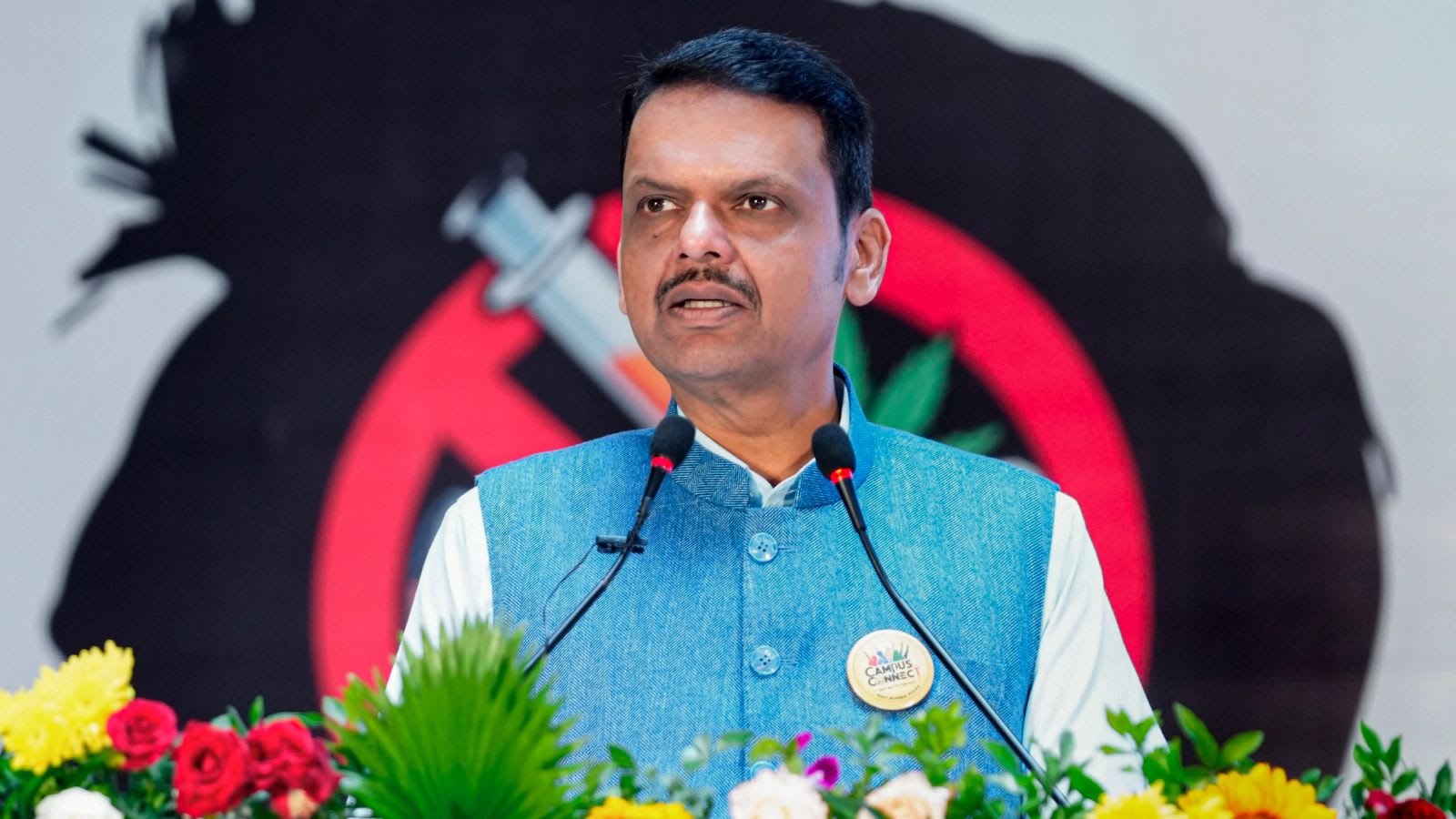
Maharashtra Deputy CM Devendra Fadnavis has announced plans to implement a Uniform Civil Code (UCC) in the state, citing constitutional directives. AIMIM leader Asaduddin Owaisi has vehemently opposed the move, labeling it a 'Hindu Civil Code' intended to erode Muslim identity.
The Impending Implementation of UCC in Maharashtra
The political landscape in Maharashtra has intensified following Deputy Chief Minister Devendra Fadnavis’s formal announcement regarding the state government's commitment to implementing a Uniform Civil Code (UCC). Fadnavis, speaking during a Diwali Milan event, underscored that the drafting process is already underway, positioning the initiative as a fulfillment of a constitutional mandate rather than a mere policy shift. By framing the UCC within the context of the Directive Principles of State Policy (DPSP), the government seeks to establish a legal framework that it argues aligns with the vision of Dr. B.R. Ambedkar for a unified personal law system.
The Constitutional Debate
At the heart of the government's argument is the DPSP, specifically Article 44 of the Indian Constitution, which envisions a uniform set of laws for all citizens. Fadnavis emphasized that the state’s obligation to introduce these laws is rooted in this constitutional directive. By invoking the legacy of the Constitution, the ruling coalition aims to frame the UCC as an essential step toward national integration and gender justice, suggesting that personal laws based on religion often create systemic inequalities that a uniform code would resolve.
Owaisi’s Critique and the 'Hindu Civil Code' Narrative
In stark contrast, AIMIM President Asaduddin Owaisi has emerged as the primary vocal opponent of the move. Owaisi has characterized the proposed legislation not as a neutral civil code, but as a 'Hindu Civil Code' in disguise. He argues that the intent behind the policy is to systematically dismantle the distinct cultural and religious identity of the Muslim community. By labeling the initiative an imposition on non-Hindus, Owaisi is positioning the issue as a critical battleground for religious freedom and minority rights within the state legislature.
Political Polarization and Legislative Challenges
The announcement has set the stage for a sharp legislative confrontation. Owaisi has explicitly stated that his party will oppose the passage of the UCC in the state assembly. This polarization reflects broader ideological fractures in Indian politics, where the definition of secularism is frequently contested. The BJP’s push for the UCC is viewed by its supporters as a necessary move toward modernity and legal uniformity, while its detractors see it as a majoritarian project aimed at homogenizing India's diverse socio-religious fabric.
Potential Implications for Maharashtra
As the state prepares to move forward with the draft, the discourse is likely to shift toward the specifics of the questionnaire issued by the government and the potential impact on personal laws governing marriage, inheritance, and succession. The clash between the state's constitutional interpretation and the minority concerns raised by the AIMIM suggests that the legislative process will be fraught with intense public debate and potential legal challenges.
Future Trends in Policy Implementation
Looking ahead, the implementation of the UCC in Maharashtra could serve as a pilot or a blueprint for other states governed by the BJP. If the state succeeds in codifying these laws, it will likely embolden similar efforts elsewhere, fundamentally altering the legal architecture of personal law in India. However, the success of this endeavor will depend on how the government navigates the delicate balance between constitutional directives and the preservation of India's pluralistic traditions, a challenge that will define the political narrative for the foreseeable future.
Multiple Citing Sources