Giving women farmers the recognition they deserve
Source Entity
Soumya Swaminathan, Devendra Fadnavis
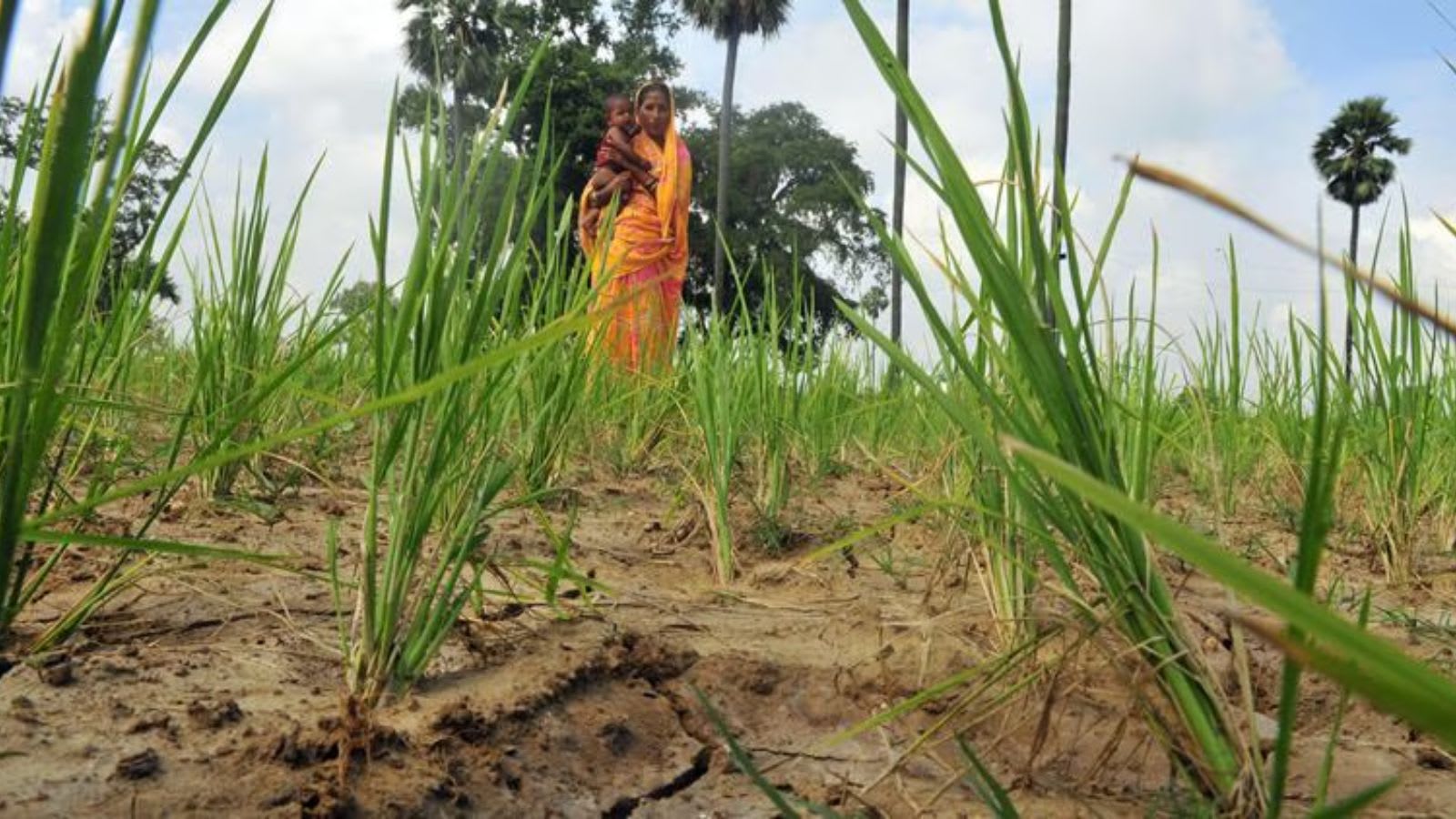
Maharashtra has become the first Indian state to pass the Women Farmers Empowerment Act, 2026, a landmark piece of legislation designed to provide legal recognition, rights, and systemic support to women farmers who have historically remained invisible in the agricultural sector.
A Landmark Shift: The Maharashtra Women Farmers Empowerment Act, 2026
Maharashtra has established a historic precedent in Indian governance by enacting the Maharashtra Women Farmers Empowerment Act, 2026. This legislation marks the first time an Indian state has created a dedicated legal framework to recognize and empower women farmers. For decades, the agricultural landscape in India has been characterized by a paradox: while women provide the bulk of the labor in sowing, weeding, and harvesting, they are rarely recognized as 'farmers' in official records. This Act seeks to dismantle that invisibility, transforming women from mere laborers into recognized stakeholders of the agrarian economy.
Addressing the 'Invisible Farmer' Syndrome
Historically, the lack of legal recognition for women farmers has been a systemic barrier to their socio-economic mobility. In most rural settings, land titles are predominantly held by men, meaning that even when women manage the entirety of a farm's operations, they lack the legal status of a landowner or a primary producer. This 'invisible' status has historically excluded them from critical government benefits, including crop insurance, direct benefit transfers, and institutional credit. By enacting this law, Maharashtra is directly addressing the 'feminization of agriculture'—a trend where more women are entering the farming workforce as men migrate to urban centers for work, yet the legal structures fail to keep pace with this demographic shift.
Socio-Economic Implications and Institutional Access
The broader implications of the Maharashtra Women Farmers Empowerment Act, 2026, extend far beyond symbolic recognition. By granting women a legal identity as farmers, the state is effectively opening the doors to institutional finance. Banks and credit agencies typically require land ownership or official farming status to approve loans; this legislation provides the necessary legal leverage for women to access capital independently. Furthermore, it is expected to streamline the distribution of subsidies and seeds, ensuring that the actual practitioners of farming receive the inputs they need without relying on male intermediaries. This shift is likely to increase productivity and introduce more sustainable farming practices, as women are often more inclined toward diversified cropping and organic methods.
Challenging Rural Patriarchal Norms
Beyond the economic metrics, this Act serves as a powerful tool for social engineering in rural Maharashtra. Land and agricultural titles are not just economic assets; they are sources of social power and decision-making authority within the household and the village council (Gram Panchayat). By legitimizing the role of the woman farmer, the state is challenging deep-seated patriarchal norms that have marginalized women's contributions to food security. This legal recognition empowers women to participate more actively in agricultural cooperatives and policy-making forums, ensuring that the specific needs of women—such as ergonomic tools and childcare facilities in farming clusters—are finally addressed.
Setting a National Benchmark and Future Trends
Maharashtra's bold move is poised to trigger a domino effect across other agrarian states in India. As other regions witness the potential for increased agricultural efficiency and gender equity resulting from this law, there will likely be mounting pressure on the central government and other state legislatures to adopt similar frameworks. We can predict a future trend where 'gender-responsive agriculture' becomes a core pillar of India's rural development strategy. This may lead to the creation of national registries for women farmers and the redesign of agricultural extension services to be more inclusive.
Conclusion: A New Era for Agrarian Equity
In summary, the Maharashtra Women Farmers Empowerment Act, 2026, is more than just a legislative document; it is a corrective measure for a century of systemic neglect. By bridging the gap between labor and recognition, Maharashtra is not only empowering millions of women but is also strengthening the resilience of its agricultural sector. As the state implements this path-breaking initiative, it provides a blueprint for the rest of the country to ensure that those who feed the nation are finally given the recognition and rights they deserve.