'Abhishek has done no wrong': Mamata stands behind nephew amid rebellion in TMC
Source Entity
TOI NEWS DESK
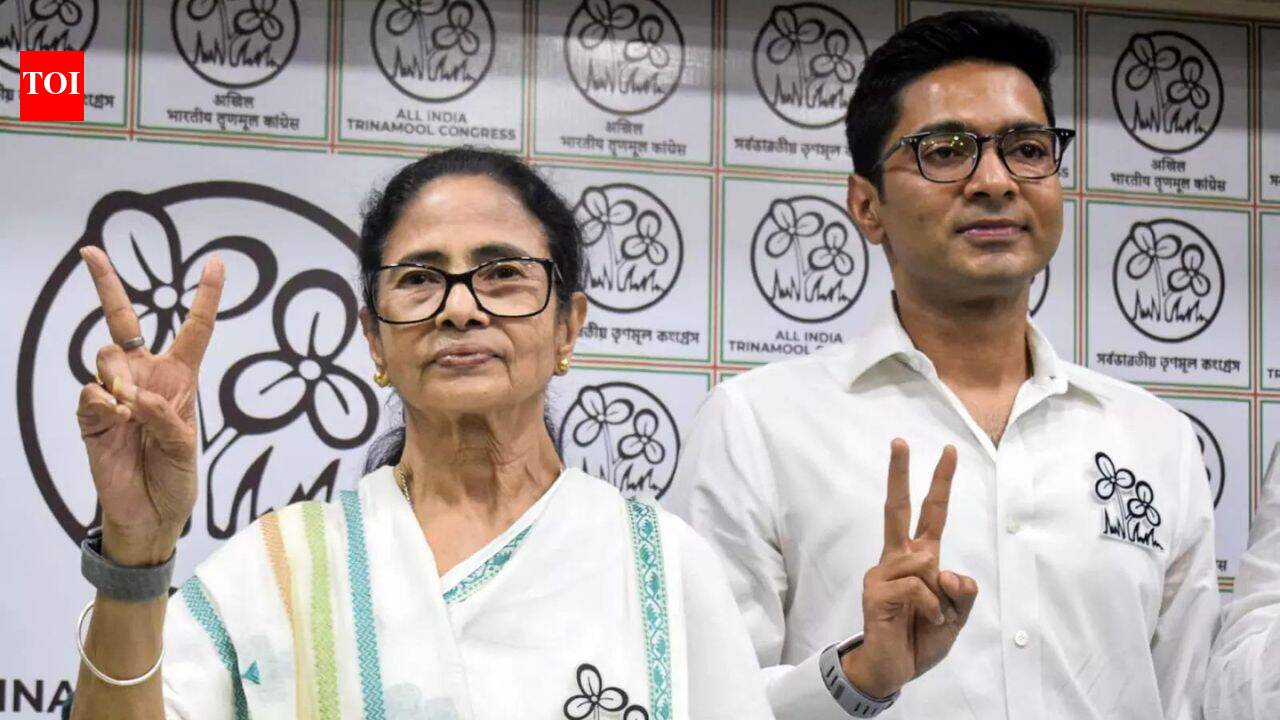
Mamata Banerjee has firmly defended her nephew, Abhishek Banerjee, against internal rebellion within the Trinamool Congress (TMC), dismissing the impact of departing leaders and alleging that some exits, specifically Madan Mitra's, are linked to BJP collusion and ED summons.
Internal Strife and Leadership Defense in the Trinamool Congress
The political landscape of West Bengal is currently witnessing a significant period of internal volatility within the Trinamool Congress (TMC). The recent public defense of Abhishek Banerjee by Chief Minister Mamata Banerjee marks a critical juncture in the party's internal power dynamics. By explicitly stating that her nephew "has done no wrong," Mamata Banerjee is not merely defending a family member but is reinforcing the current hierarchy of the party. This move comes amidst a wave of rebellion from veteran leaders who perceive a shift in the party's core identity and a centralization of power around the Banerjee family.
The Tension Between the Old Guard and the New Leadership
The rebellion within the TMC highlights a growing friction between the party's founding members—the "old guard"—and the rising influence of Abhishek Banerjee. For years, the TMC operated as a populist movement driven by Mamata Banerjee's grassroots charisma. However, the transition toward a more structured, organizational approach led by Abhishek has created friction. The accusations directed at Abhishek and his family by rebel leaders suggest a deeper resentment regarding the speed of his ascent and the perceived marginalization of senior leaders who helped build the party's foundation. This internal clash is a classic struggle between traditional political loyalty and modern party management.
The Role of Central Agencies and the 'BJP Setting'
A pivotal element of this conflict is the departure of leaders like Madan Mitra. Mamata Banerjee's assertion that Mitra's exit is linked to Enforcement Directorate (ED) summons suggests a strategic narrative: that the rebellion is not organic but is instead orchestrated by the Bharatiya Janata Party (BJP). By claiming there is a "setting" with the BJP, Mamata is framing the internal dissent as an external infiltration. This is a recurring theme in West Bengal politics, where the state government frequently characterizes the actions of central agencies as political vendettas designed to destabilize the ruling party by coercing its members to defect.
Historical Context of TMC's Organizational Shifts
Historically, the TMC has survived numerous waves of defections, often emerging stronger by purging elements it deems disloyal. Mamata Banerjee's confidence that "a few leaders leaving would not weaken the party" draws upon this historical resilience. The party has a track record of replacing veteran figures with loyalists who are more aligned with the central leadership's vision. However, the current situation is distinct because the friction is centered on the internal leadership transition rather than just electoral losses, making the current stabilization efforts crucial for the party's long-term cohesion.
Future Implications and Political Trends
Looking forward, this event signals a further consolidation of power within the Banerjee family. The vow to "rebuild the organization" suggests a potential purge of remaining dissidents and a restructuring of the party's internal machinery to ensure absolute loyalty to the current leadership. As the TMC prepares for future electoral battles, the ability to manage this internal rebellion will be a litmus test for Abhishek Banerjee's leadership. If the party successfully integrates the remaining veterans while maintaining the new structure, it will solidify its grip on the state; otherwise, fragmented leadership could provide the opposition with a strategic opening.
Conclusion
In summary, Mamata Banerjee's staunch support for Abhishek Banerjee is a strategic move to quell internal dissent and signal that the party's leadership trajectory is non-negotiable. By linking the rebellion to external BJP influence and dismissing the impact of departing leaders, she aims to maintain party discipline. The outcome of this internal struggle will likely define the TMC's organizational strength and its approach to governance and electioneering in West Bengal for the foreseeable future.