Man shares why he quit his corporate job after 18 years: 'Best decision I have made'
Source Entity
Latest News: Today's Latest News Headlines from India & World | Hindustan Times | Hindustan Times
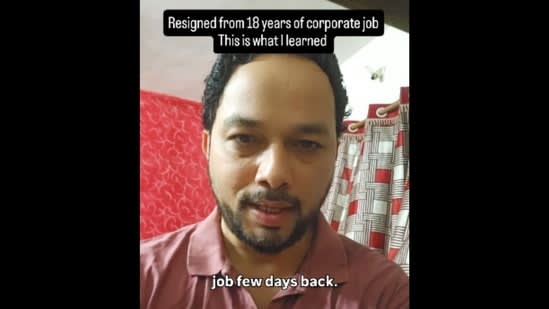
A man has shared his experience of quitting a corporate career spanning 18 years to pursue personal growth, despite the significant financial risk of being his family's sole breadwinner.
The Courage to Pivot: Analyzing the Departure from an 18-Year Corporate Career
In a narrative that resonates with a growing global sentiment of workplace dissatisfaction, a man has recently shared his decision to leave a corporate position he held for nearly two decades. After 18 years of stability and professional growth, the individual described the choice to quit as the "best decision" he has ever made. This move is particularly striking not because of the duration of his tenure, but because of the high stakes involved: the man served as the sole breadwinner for his family, making the transition from a guaranteed salary to an uncertain future a significant gamble.
The Psychological Burden of the Sole Breadwinner
One of the most critical elements of this story is the intersection of financial responsibility and personal fulfillment. For a sole breadwinner, the corporate job is often viewed not just as a career, but as a lifeline for their dependents. The decision to leave such a role suggests a breaking point where the psychological cost of remaining in the corporate structure outweighed the security of the paycheck. This highlights a profound shift in how modern professionals perceive "security." While traditional views emphasize the safety of a steady salary, there is an emerging belief that true security comes from autonomy and mental well-being, even if it requires a period of financial instability.
Analyzing the 18-Year Tenure and Corporate Burnout
Spending 18 years within a corporate environment typically involves climbing a specific professional ladder, accumulating benefits, and establishing a deep-rooted identity tied to a company. However, this long-term commitment often leads to a phenomenon known as corporate burnout, where the repetitive nature of corporate KPIs and bureaucratic hurdles erode personal passion. By the 18-year mark, many professionals experience a crisis of purpose, questioning whether their contributions are meaningful or merely transactional. This man's decision to "take a chance on himself" indicates a desire to decouple his self-worth from his corporate title and rediscover his individual agency.
Broader Implications for the Modern Workforce
This individual's experience is a microcosm of a broader trend seen in the global labor market, where employees are increasingly prioritizing work-life integration and personal passion over long-term loyalty to a single employer. The "Great Resignation" and similar movements have paved the way for mid-to-late career professionals to realize that it is never too late to pivot. When a seasoned professional with nearly two decades of experience decides to leave, it sends a signal to the corporate world that competitive salaries and benefits may no longer be sufficient to retain talent if the work environment lacks a sense of personal fulfillment or autonomy.
Risk Assessment and the "Best Decision" Narrative
The claim that quitting was the "best decision" suggests a successful transition, whether into entrepreneurship, freelance work, or a complete lifestyle change. From a business perspective, this reflects a growing confidence in the "gig economy" and the ability of experienced professionals to monetize their skills independently. The risk taken by the man was substantial, but the reward—described as the best decision of his life—likely stems from the reclamation of time and the reduction of stress. This narrative encourages others in similar positions to evaluate their own "sunk cost fallacy," where they feel they must stay in a job simply because they have already invested so many years into it.
Conclusion: A Shift Toward Personal Sovereignty
Ultimately, this story is less about the act of quitting and more about the pursuit of personal sovereignty. By risking his status as the sole provider to bet on his own capabilities, this man has highlighted a fundamental change in the social contract between employer and employee. His journey from a long-term corporate staple to an independent individual serves as a powerful example of the courage required to prioritize mental health and self-actualization over the perceived safety of a corporate cubicle. It marks a transition from a life of obligation to a life of intention.
Verification Required?