Engineering college refuses to refund seat booking fee, student’s mother wins Rs 43,000
Source Entity
Richa Sahay
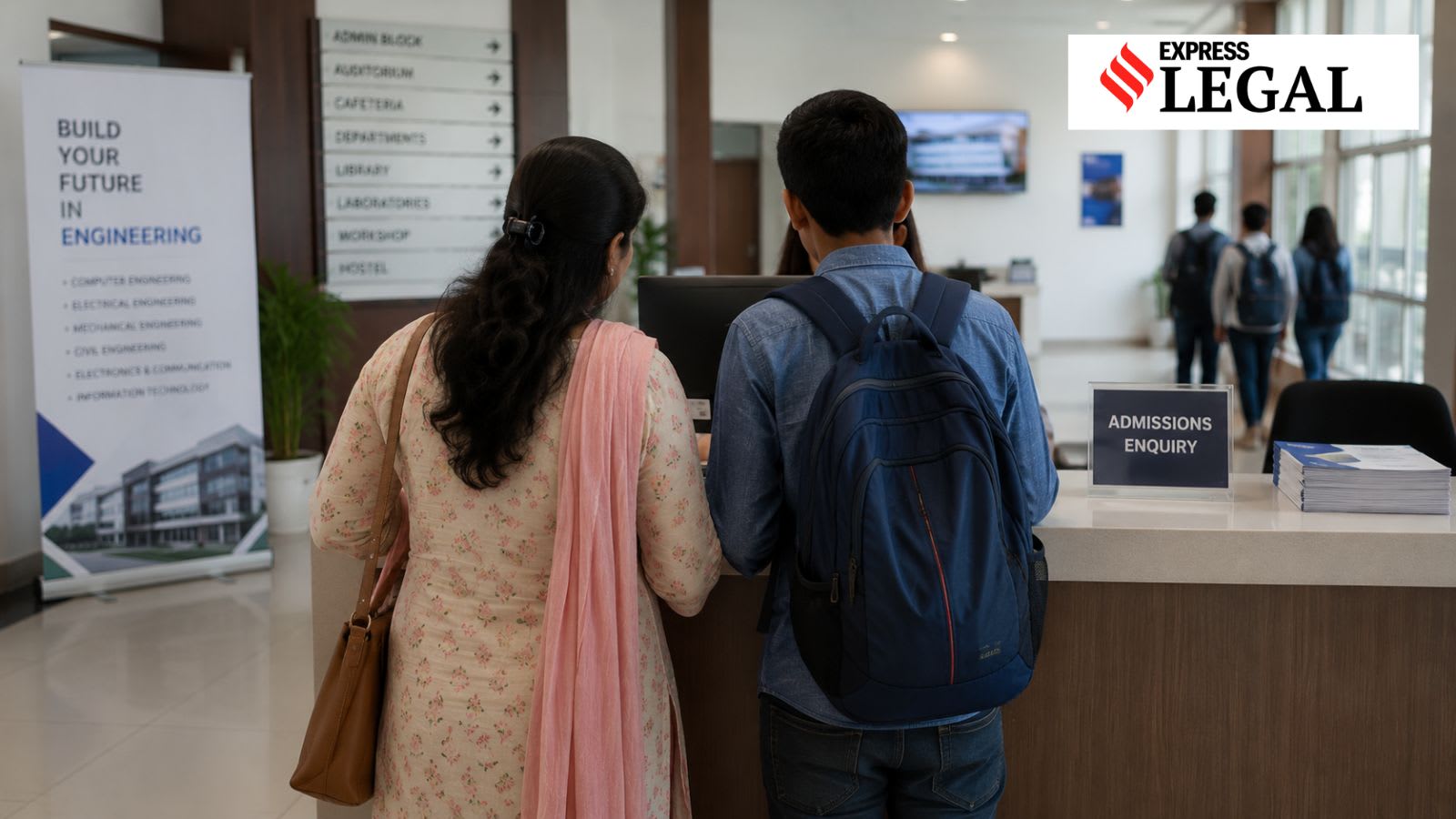
A consumer forum in Kerala has ordered Mangalam College of Engineering to refund a seat booking fee of Rs 43,000 to a student's mother, ruling that the institution's refusal to return the funds constituted an unfair trade practice and a deficiency in service.
Consumer Rights vs. Educational Institutions: The Mangalam College Ruling
In a significant victory for consumer rights within the education sector, a consumer forum in Kerala has ruled against the Mangalam College of Engineering. The court found that the institution engaged in "unfair trade practices" and a "deficiency in service" by unjustifiably retaining a seat booking fee paid by a student's parent. The forum ordered the college to refund the amount of Rs 43,000, marking a critical intersection between academic administration and consumer protection laws.
Legal Framework and the Definition of 'Service'
The core of this ruling rests on the interpretation of educational services under the Consumer Protection Act. By classifying the college's actions as a "deficiency in service," the forum has reinforced the precedent that while the core act of teaching may have complex legal standings, the administrative and financial transactions surrounding admission are commercial in nature. The term "unfair trade practice" suggests that the college's policy of retaining booking fees—likely without a transparent or reasonable justification—was deceptive or oppressive to the consumer (the parent).
The Culture of 'Seat Booking' in Engineering Admissions
This case highlights a systemic issue prevalent in many private engineering colleges across India: the practice of "seat booking." To secure a spot before the official allotment process is finalized, parents are often pressured to pay a non-refundable or partially refundable deposit. This practice creates a precarious financial environment for families, who may find themselves paying multiple deposits across different institutions to ensure their child's future. When students eventually secure seats elsewhere, the refusal of colleges to refund these deposits often leads to significant financial loss for middle-class families.
Institutional Accountability and Power Imbalance
The ruling serves as a stern reminder that educational institutions are not immune to consumer laws. There is often a perceived power imbalance where colleges believe their autonomy grants them the right to set arbitrary financial terms. However, the Kerala consumer forum's decision dismantles this notion, asserting that the right to a fair refund outweighs the institution's internal policies if those policies are found to be unjust. This sets a vital precedent for other students and parents who may have been hesitant to challenge large institutions due to fear of academic repercussions.
Broader Implications for Educational Policy
Looking forward, this judgment is likely to trigger a review of admission and refund policies across various private colleges in the region. Institutions may be forced to implement more transparent, written agreements regarding booking fees to avoid similar litigation. Furthermore, it encourages a shift toward a more ethical admission process where the financial burden of "securing a seat" is not unfairly shifted onto the parents. We can expect an increase in similar filings as more families become aware that consumer forums provide an accessible avenue for grievance redressal.
Conclusion
The Mangalam College of Engineering case is more than a simple refund dispute; it is a validation of the consumer's right to fairness in the face of institutional rigidity. By ordering the refund of Rs 43,000, the consumer forum has signaled that financial transparency and ethical conduct are mandatory in the education sector. This ruling empowers students and parents, ensuring that the pursuit of higher education is not marred by exploitative administrative practices.