Manipur groups call shutdown against State’s 1949 merger with India
Source Entity
India Latest News: Top National Headlines Today & Breaking News | The Hindu
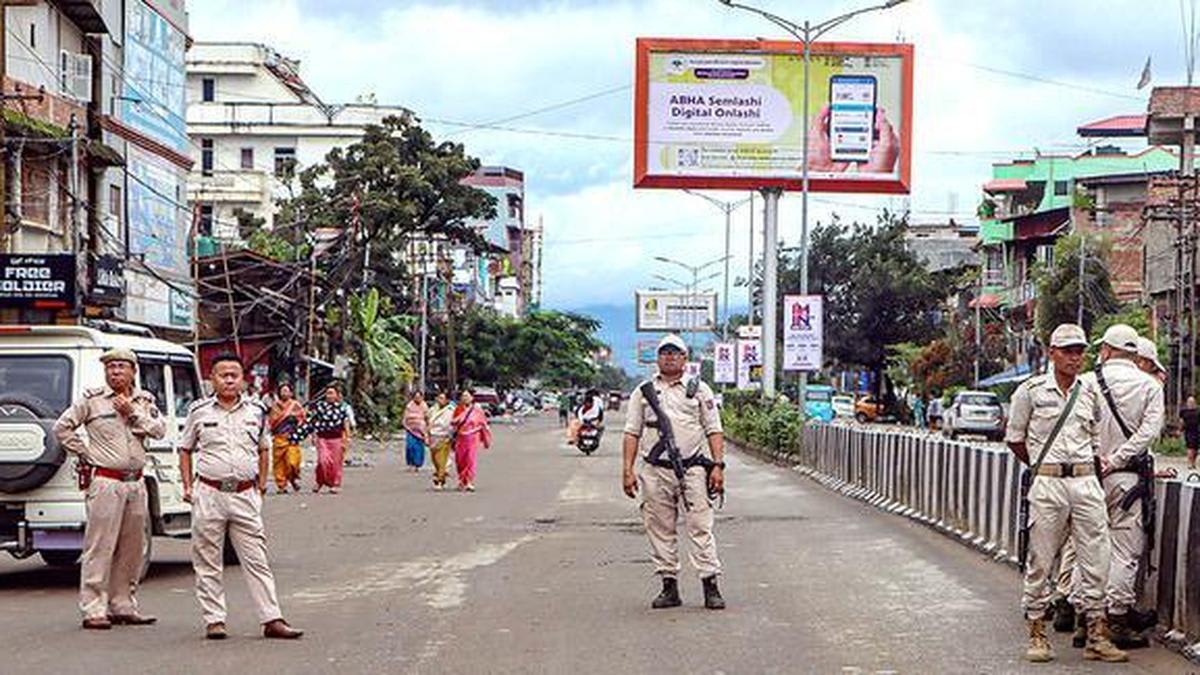
Seven banned armed groups in Manipur have declared a 12-hour shutdown on October 15 to protest the 1949 merger of the state with India. The groups, primarily of Meitei origin, label the date as 'National Black Day' while exempting essential services from the strike.
Tensions Erupt Over Manipur's 1949 Integration
On October 15, seven banned armed groups based in Manipur have orchestrated a 12-hour shutdown, a move intended to mark the date as a "National Black Day." This protest stems from a deep-seated historical grievance regarding the accession of the former Princely State of Manipur into the Indian Union in 1949. By framing the integration as a violation of international and domestic legal provisions, these militant organizations aim to challenge the legitimacy of the current administrative status of the region.
The Coalition of Dissent
The protest is driven by an umbrella organization known as the Coordination Committee, which includes six prominent militant outfits: the Kangleipak Communist Party, Kanglei Yawol Kanna Lup, the People’s Revolutionary Party of Kangleipak (PREPAK), its splinter group PREPAK-Pro, the Revolutionary People’s Front, and the United National Liberation Front. A seventh entity, the Socialist Revolutionary Party, has issued a separate statement aligning with the protest. The collective influence of these groups, which primarily draw their support from the Meitei community in the Imphal Valley, underscores the persistent ideological divide regarding Manipur's political trajectory.
Historical Context of the Merger
The 1949 merger remains a contentious historical flashpoint. Following the departure of British colonial rule, the integration of princely states into the newly independent India was a complex geopolitical process. For these insurgent groups, the signing of the Merger Agreement is viewed not as a democratic union but as an act of political coercion. Their narrative posits that the legal frameworks governing the transition were either ignored or bypassed, a claim that continues to fuel separatist sentiments and periodic civil unrest within the state.
The Mechanics of the Shutdown
Despite the severity of the "National Black Day" designation, the organizers have made specific provisions to minimize the impact on the civilian population. Essential services, such as medical emergencies, media operations, and religious activities, are explicitly exempt from the shutdown. This tactical decision reflects a common strategy in regional protest movements to maintain public support while ensuring that the symbolic weight of the protest remains focused on the government rather than the daily survival of local residents.
Broader Implications and Future Trends
This protest highlights the ongoing challenges of regional integration and the complexities of sub-nationalist movements within India's northeast. The persistence of these groups, even under a ban, suggests that the historical grievances surrounding the 1949 merger have not been fully addressed in the public consciousness of the Imphal Valley. Moving forward, the state’s ability to manage these periodic expressions of dissent will depend on balancing security enforcement with nuanced political engagement to address the underlying historical narratives that fuel these separatist organizations.
Verification Required?