Two Naga civilians killed, two injured in gun attack in Manipur
Source Entity
The Indian Express
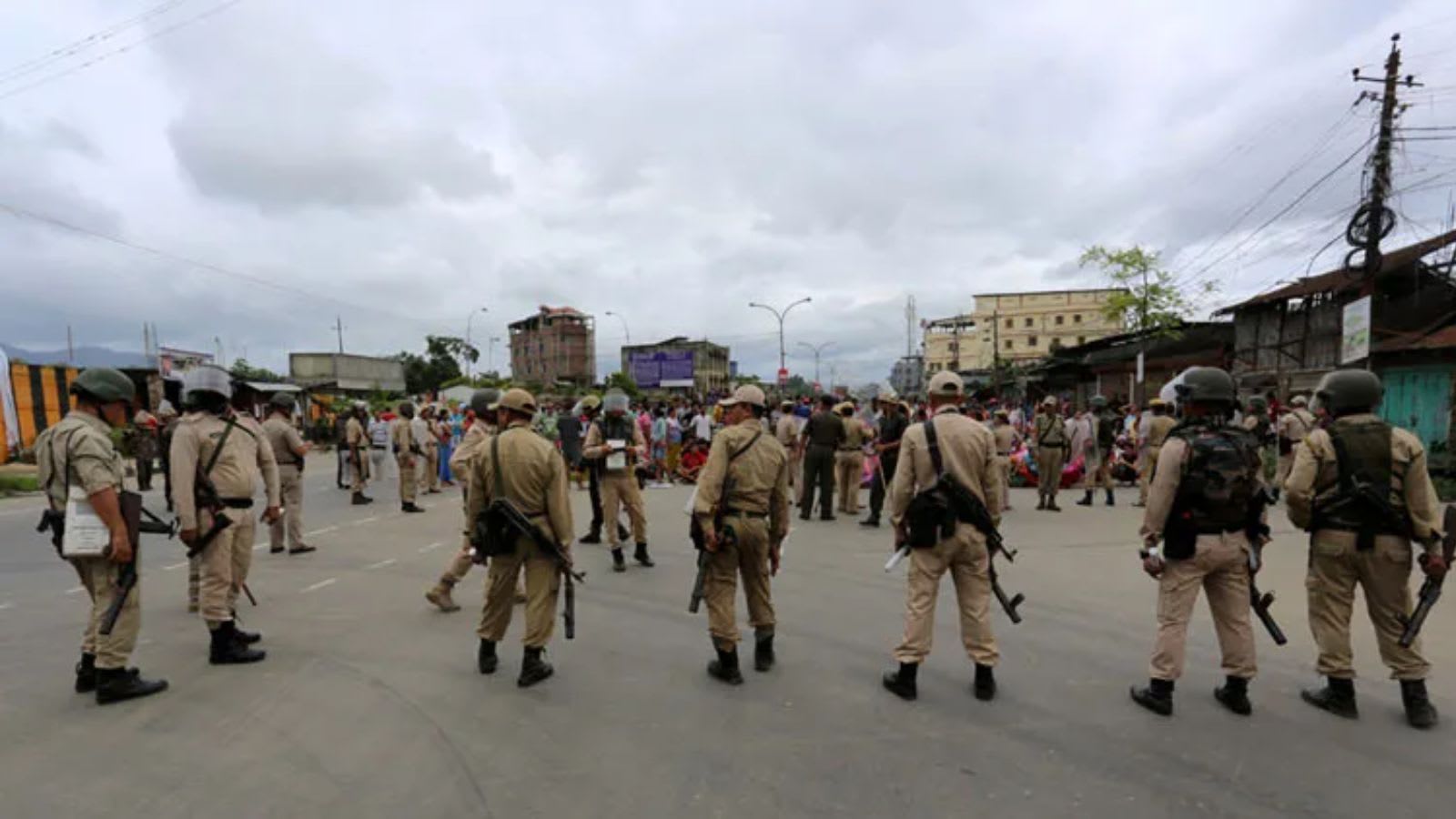
Two Naga civilians were killed and two others injured in an attack in Manipur's Senapati district. This follows a similar incident in Kamjong district where four others were killed, marking a surge in violence across the region.
Escalating Violence in Manipur: A Deep Dive into the Recent Security Crisis
The Recent Tragedy in Senapati District
The security situation in Manipur has deteriorated significantly following a targeted attack in the Senapati district. On Saturday at approximately 2:45 pm, unknown armed individuals launched a lethal assault at Kailenjang village, resulting in the deaths of two Naga civilians: Rocky, hailing from Mao Chaowainamai, and Kumar, from Poumai Laii Shirafii. Reports indicate that the attack occurred inside the village chief's residence, leaving two additional individuals injured. This incident represents a grave escalation in the ongoing instability affecting the region’s diverse ethnic communities.
Patterns of Violence and Regional Impact
This tragedy follows closely on the heels of another violent encounter just one day prior in the Kamjong district, located near the Indo-Myanmar border. In that incident, four Tangkhul Naga civilians lost their lives, allegedly at the hands of cadres operating across the border. These back-to-back attacks—resulting in multiple fatalities within a 72-hour window—underscore a disturbing pattern of violence that has plagued Manipur throughout September. Official police reports confirm that at least 13 people have been killed in separate gun attacks across districts including Tamenglong, Kangpokpi, Noney, and Kamjong.
Tensions and Ethnic Allegations
While law enforcement agencies are actively investigating the perpetrators, local reports have introduced significant tension by alleging the involvement of members of the Kuki tribe in the attack at Kailenjang village. The identification of the victims as members of the Mao Naga and Poumai Naga communities highlights the complex, multi-layered nature of the ethnic dynamics currently at play in Manipur. Such allegations often exacerbate existing communal fissures, making the restoration of peace and law and order a formidable challenge for state and central authorities.
Broader Implications for State Stability
The frequency and geographic spread of these attacks suggest a high level of coordination and a breakdown in local security infrastructures. With violence reported across multiple districts, the state is facing a period of intense volatility that threatens the safety of civilian populations. The reliance on armed groups operating near international borders further complicates the security architecture, as it introduces cross-border dimensions to what is ostensibly an internal conflict.
Historical Context and Future Trends
Manipur’s history is marked by diverse ethnic demands and intermittent unrest; however, the current intensity of gun violence in September represents an alarming trend. If the pattern of targeting civilians continues, there is a substantial risk of further communal polarization and the mass displacement of residents. Moving forward, the effectiveness of the government’s response—balancing immediate security enforcement with long-term peace-building initiatives—will be the primary factor in determining whether the state can move toward stabilization or if the cycle of violence will continue to expand.
Conclusion
The killing of six Naga civilians within two days across Senapati and Kamjong districts serves as a stark reminder of the fragile security environment in Manipur. As authorities work to identify the armed miscreants and prevent further bloodshed, the priority remains the protection of civilian life and the containment of militant activities that are currently destabilizing the region's socio-political landscape.
Multiple Citing Sources