Manoj Jarange Patil resumes fast today: Why the Kunbi certificate issue is back a year after Mumbai protest
Source Entity
Vallabh Ozarkar
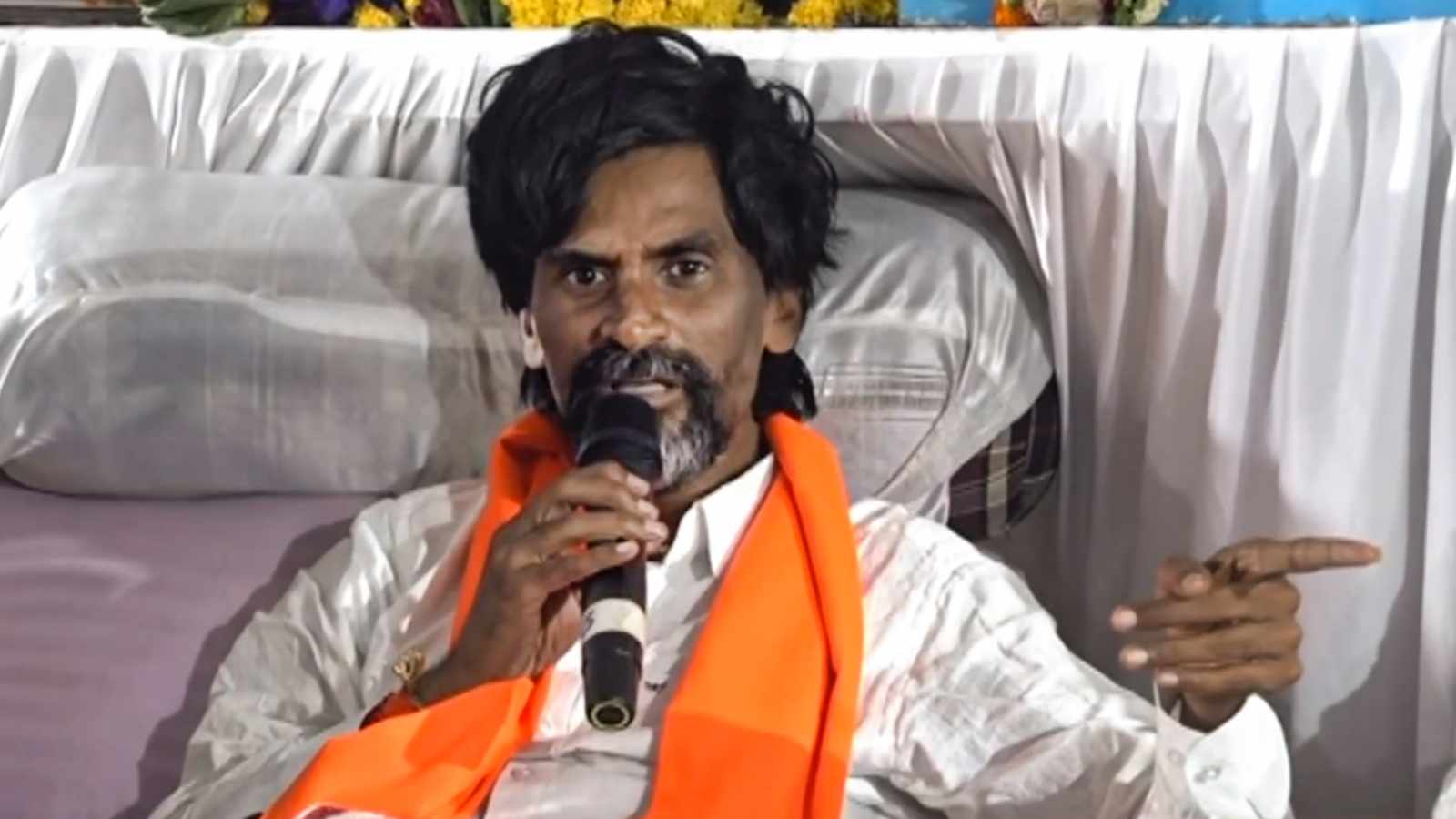
Maratha activist Manoj Jarange Patil has resumed an indefinite hunger strike in Maharashtra, citing the government's failure to issue Kunbi caste certificates. The standoff persists as authorities argue that genealogical verification remains a complex, mandatory legal hurdle.
The Resurgence of the Maratha Reservation Conflict
Nearly a year after the high-profile agitation in Mumbai, Maratha activist Manoj Jarange Patil has returned to an indefinite hunger strike at Antarwali Sarati. This move marks a significant escalation in the ongoing struggle for Maratha reservation, signaling that the previous temporary truce between the activist and the Maharashtra state government has effectively collapsed. The core of this renewed protest lies in the alleged failure of the state to honor commitments regarding the implementation of the Hyderabad Gazette and the subsequent issuance of Kunbi caste certificates to the Maratha community.
The Heart of the Dispute: Kunbi Records
The central point of contention revolves around the 'Kunbi' status, which would allow Marathas to access benefits under the Other Backward Classes (OBC) quota. Jarange Patil argues that the government is dragging its feet on processing applications for those who have already provided historical evidence linking their families to Kunbi records. For the activist and his followers, these historical documents represent a clear, non-negotiable path to caste validity that should have been processed with greater speed and administrative efficiency following the government's initial assurances.
Administrative Complexity and Legal Hurdles
Conversely, the Maharashtra government maintains that the issuance of these certificates is far from a simple clerical task. Officials emphasize that the mere discovery of an ancestral Kunbi record does not grant an automatic right to an OBC certificate for every descendant. The state maintains that a rigorous, individual-specific genealogical verification process is legally required to prevent systemic abuse of the quota system. This administrative bottleneck has become the primary friction point, pitting the activist’s demand for immediate, large-scale recognition against the state’s requirement for individual due process.
Broader Implications for Maharashtra Politics
This protest carries profound implications for the political landscape of Maharashtra. The Maratha community represents a significant electoral bloc, and the failure to resolve this reservation issue has created a volatile environment for the ruling administration. As Jarange Patil resumes his hunger strike, the government faces the dual challenge of managing civil unrest while navigating the complex legal and social sensitivities of reclassifying a community under the OBC umbrella, a process that inherently risks alienating existing OBC groups.
Historical Context and Future Trends
The history of the Maratha reservation movement is defined by decades of legal battles and mass mobilizations. The current reliance on the Hyderabad Gazette reflects a strategic shift in the movement to anchor their claims in historical administrative records. Moving forward, it is likely that the conflict will remain deadlocked unless a middle ground is found between expedited verification and the preservation of legal integrity in the caste certification process. If the impasse continues, the state may see further regional volatility, as the demand for reservation remains a deeply emotive and central issue for the rural Maratha population.