Manpreet Kaur redeems career with Asian Games bronze, puts doping taint behind her
Source Entity
Nitin Sharma
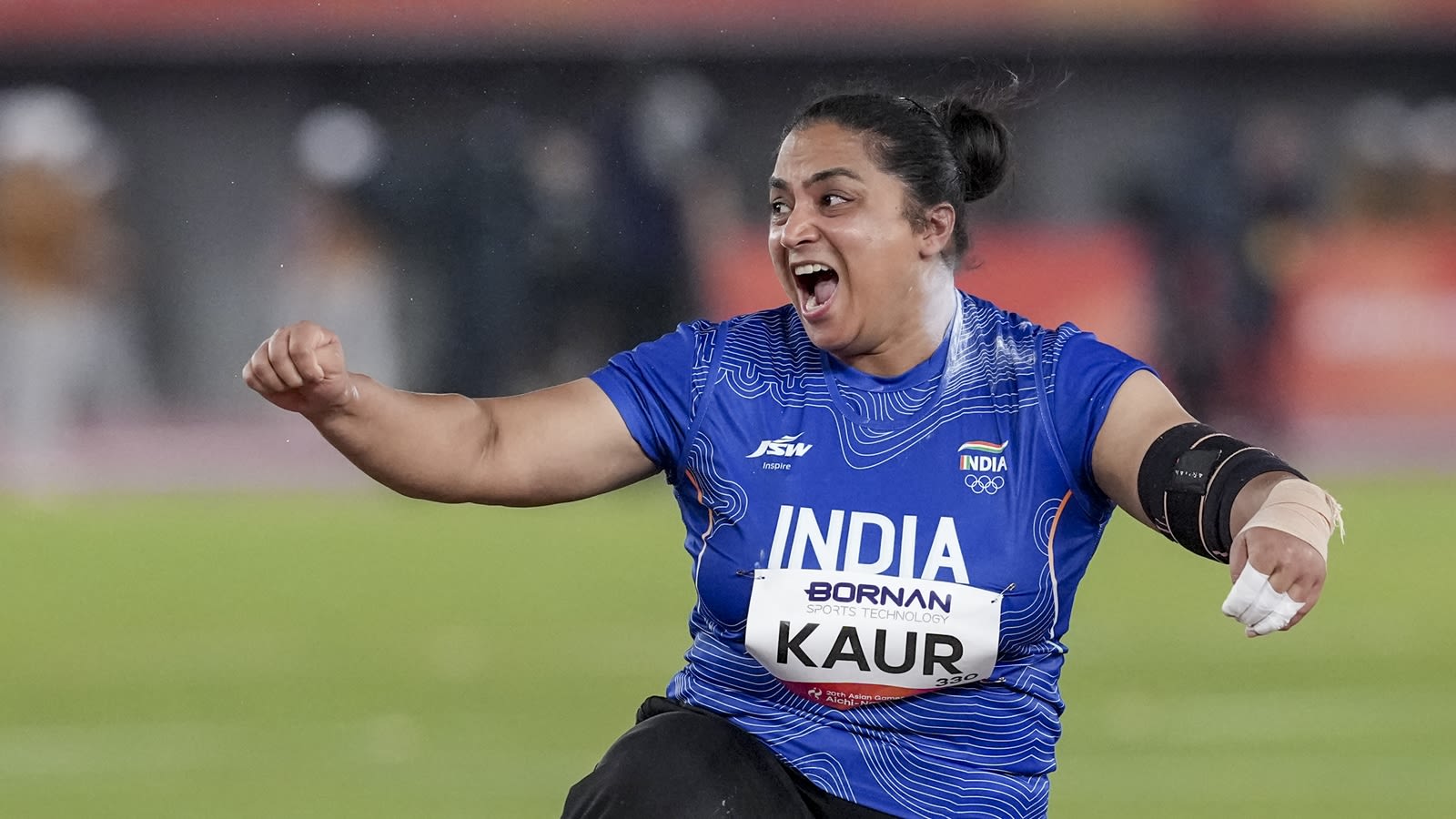
At 36, Manpreet Kaur secured a historic bronze medal in women's shot put at the Asian Games with a 17.17m throw. This achievement marks a significant career redemption following a previous doping ban.
A Defining Moment of Redemption
At the age of 36, Indian athlete Manpreet Kaur has etched her name into the history books, securing a bronze medal in the women’s shot put event at the Asian Games. With a performance measuring 17.17 meters, Kaur became only the third Indian woman to reach the podium in this discipline at the continental games. This achievement represents far more than a mere statistical success; it serves as a testament to personal resilience and the ability to overcome significant professional adversity.
Overcoming the Shadow of Doping
The narrative of Kaur’s victory is deeply intertwined with her history of overcoming a doping-related ban. Nearly a decade ago, her career was derailed by a positive test, a setback that often marks the end of an elite athlete's journey. By returning to the international stage and securing an Asian Games medal, Kaur has effectively redefined her legacy, transitioning from a figure associated with controversy to one defined by persistence and redemption.
The Competition and Technical Performance
While Kaur’s 17.17-meter throw was a commendable effort, it highlighted the high level of competition currently present in Asian athletics. She trailed behind the Chinese duo of Song Jiyuan, who claimed gold with an impressive 19.40m, and Zhang Linru, who took silver with 18.14m. Despite the gap, Kaur’s ability to secure a podium finish demonstrates the tactical discipline and technical refinement she has maintained, even as she navigated the later stages of her competitive career.
The Role of Personal Support Systems
Central to this victory was the presence of Kaur’s support system, specifically her 14-year-old daughter, Jasnoor, and her husband-and-coach, Karamjeet Singh. Their presence in the stands provided a poignant backdrop to her success. For many athletes, the intersection of professional pressure and family support is a delicate balance, and Kaur has openly credited this emotional anchor as a primary source of her motivation during the grueling preparation for these games.
Broader Implications for Indian Athletics
Kaur’s success underscores a growing trend in Indian sports where veteran athletes are increasingly finding ways to prolong their careers and remain competitive on the international stage. Her journey offers a blueprint for how athletes can navigate disciplinary setbacks and return to elite-level performance through consistent training and familial stability. As the Indian contingent continues to evolve, the mentorship and experience provided by seasoned athletes like Kaur will likely prove invaluable for emerging talents, such as debutant Krishna Jaisankar, who are just beginning their own journeys as medal contenders.
Future Outlook and Conclusion
Looking ahead, Manpreet Kaur’s performance serves as a powerful reminder that athletic careers are rarely linear. Her ability to push past the stigma of her past and compete at the highest level suggests that with the right support and determination, endurance remains a critical component of sports excellence. As she basks in the glory of her first Asian Games medal, the focus shifts to how this redemption story will influence the next generation of Indian field athletes.
Multiple Citing Sources