Why Rubio wants to dismantle International Criminal Court
Source Entity
The Indian Express
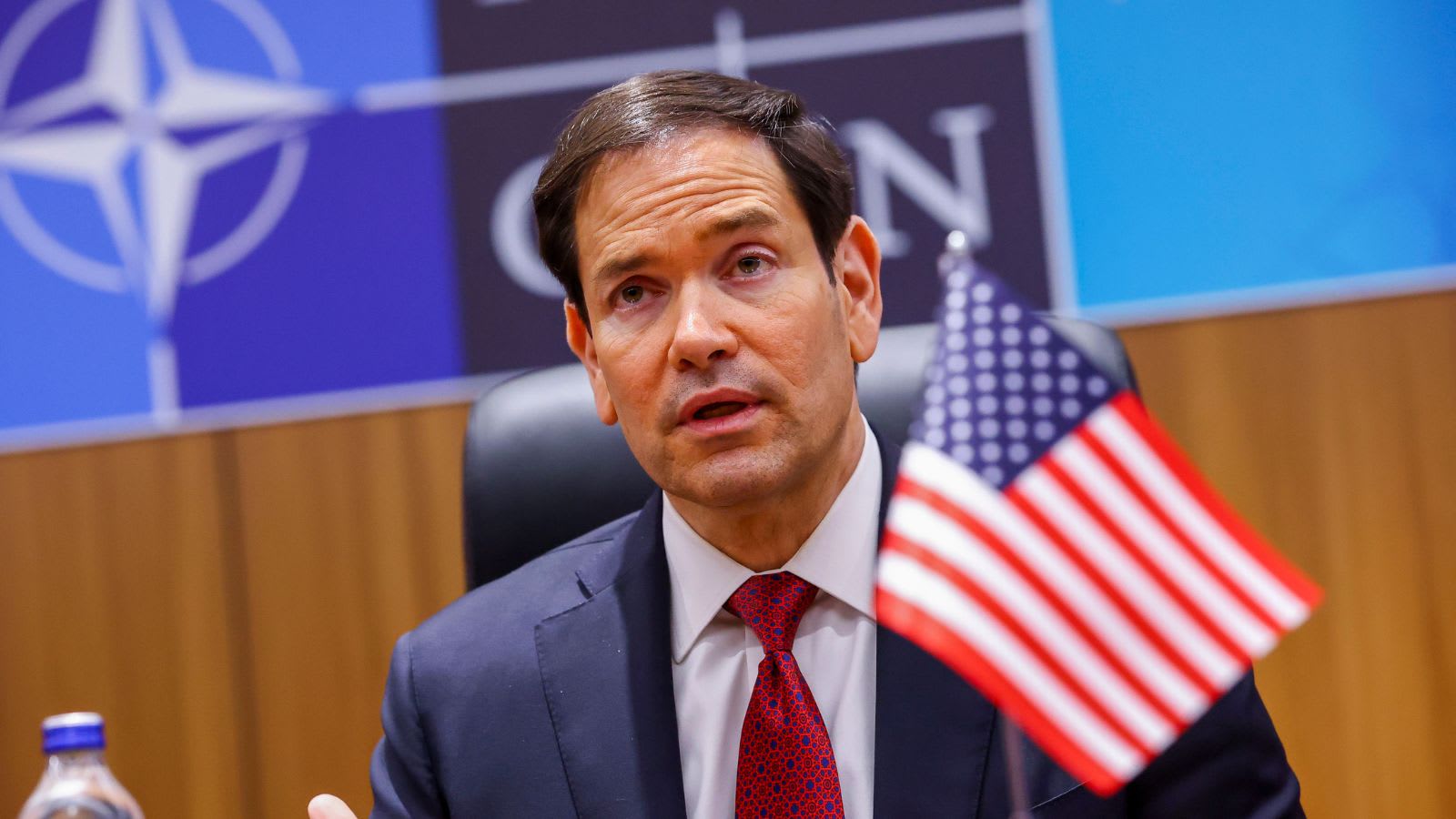
U.S. Secretary of State Marco Rubio has signaled a desire to dismantle the International Criminal Court (ICC), reflecting a policy stance centered on protecting U.S. national sovereignty and shielding American citizens and allies from international judicial oversight.
The Sovereignty Conflict: Marco Rubio and the International Criminal Court
U.S. Secretary of State Marco Rubio's expressed desire to dismantle the International Criminal Court (ICC) represents a significant escalation in the long-standing tension between United States national sovereignty and the framework of international criminal law. By targeting the institution responsible for prosecuting individuals for genocide, war crimes, and crimes against humanity, Rubio is signaling a strategic shift toward a more unilateralist foreign policy. This stance is not merely a critique of the court's efficiency but a fundamental disagreement with the premise that an international body should have the authority to supersede the legal jurisdictions of sovereign states, particularly a superpower like the United States.
The Ideological Root of the ICC Opposition
To understand Rubio's position, it is essential to look at the historical context of the U.S. relationship with the ICC. The United States is not a party to the Rome Statute, the treaty that established the court. The primary concern has always been the potential for 'politically motivated' prosecutions of U.S. military personnel and government officials operating globally. Rubio's push to dismantle the court likely stems from the belief that the ICC represents an overreach of global governance that could be weaponized by adversaries to hamstring U.S. foreign policy or punish its allies. By seeking to dismantle the institution, Rubio aims to eliminate the legal risk that international warrants pose to American strategic interests.
Geopolitical Implications and Allied Relations
The mention of Rubio's trilateral meetings with Japanese and South Korean officials underscores the complexity of this policy. Both Japan and South Korea are key U.S. allies with their own complex relationships with international law. If the U.S. actively works to dismantle the ICC, it may create a diplomatic rift with European allies who view the court as a cornerstone of the rules-based international order. However, Rubio may be leveraging these trilateral partnerships to build a coalition of states that prioritize bilateral security agreements over multilateral judicial mandates, effectively reshaping the global legal landscape to favor state-led justice over international oversight.
Strategic Impact on Global Accountability
From a broader perspective, the dismantling of the ICC would have profound implications for global human rights. The court serves as a 'court of last resort' when national systems fail to act. A successful effort by the U.S. to neutralize the ICC could lead to a vacuum in accountability for war crimes in regions where the U.S. does not have direct influence. This creates a paradox where the U.S. advocates for the rule of law globally while simultaneously seeking to dismantle the primary mechanism designed to enforce that law on a global scale. Rubio's approach suggests that for the U.S., the risk of judicial overreach outweighs the benefit of a centralized global justice system.
Future Trends in U.S. Foreign Policy
Looking forward, Rubio's stance likely foreshadows a period of intense diplomatic pressure on ICC member states. We can expect the U.S. to use economic and political leverage to discourage other nations from cooperating with ICC investigations that target U.S. interests. This trend indicates a move away from the 'liberal internationalism' of previous decades toward a 'realist' framework where national security and sovereignty are the absolute priorities. The battle over the ICC will likely become a litmus test for the current administration's willingness to challenge the existing architecture of international institutions.
Conclusion: A Shift Toward National Primacy
In summary, Marco Rubio's objective to dismantle the International Criminal Court is a clear manifestation of a policy that prioritizes American autonomy over global judicial cooperation. By framing the ICC as a threat to sovereignty rather than a tool for justice, Rubio is redefining the U.S. role in the international community. While this may protect U.S. personnel from foreign legal reach, it risks destabilizing the international consensus on human rights and accountability, potentially ushering in an era where the power of the state once again completely eclipses the reach of international law.