Farooq Abdullah’s brother Mustafa Kamal, ex-minister who balanced politics with medical career, dies at 84
Source Entity
Bashaarat Masood
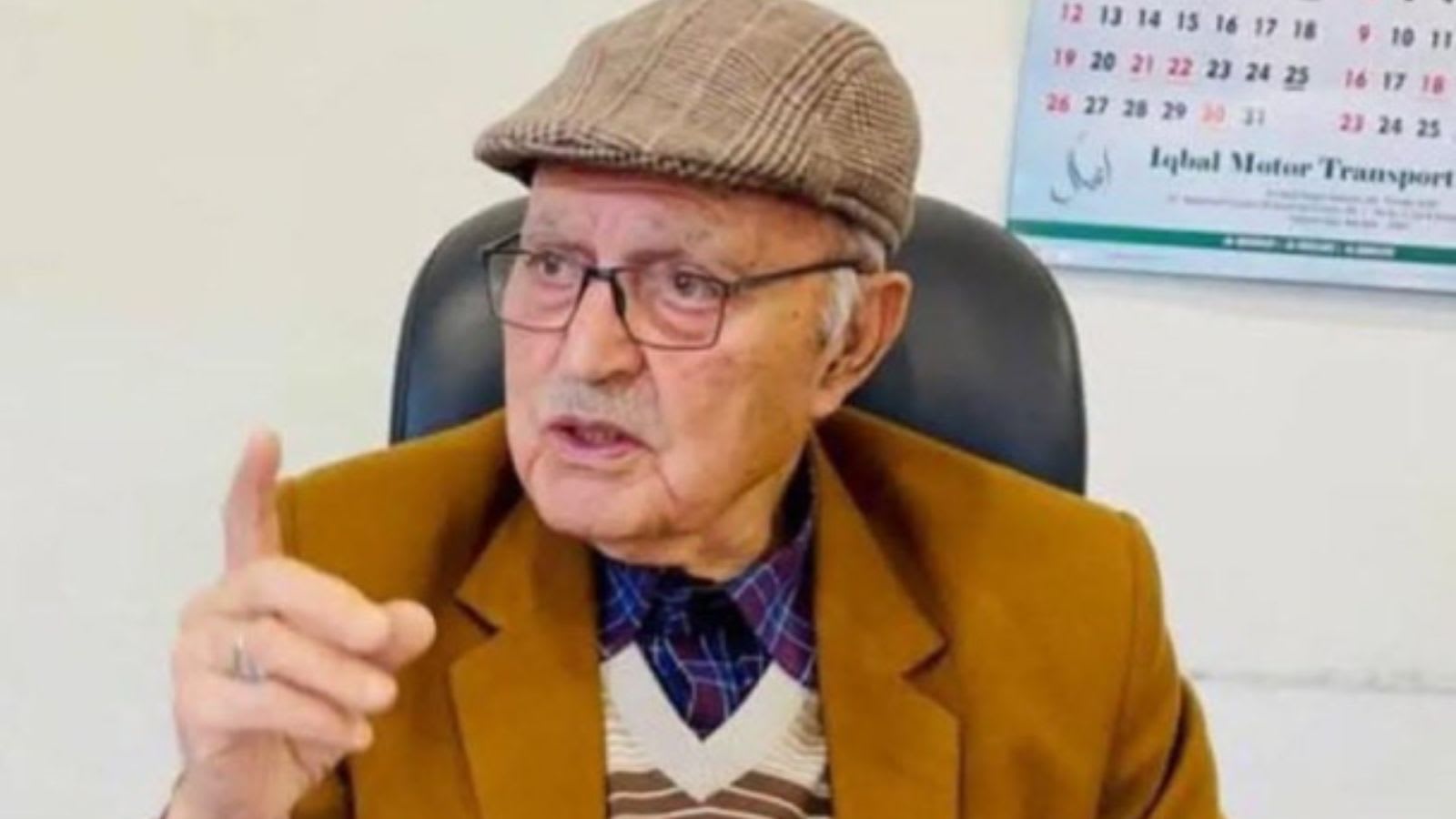
Dr. Mustafa Kamal, a senior leader of the National Conference and former minister, has passed away at the age of 84 in Srinagar. Known for successfully balancing a professional medical career with his political duties, he was the brother of Farooq Abdullah and uncle to the current Jammu and Kashmir Chief Minister, Omar Abdullah.
The Passing of a Polymath: Analyzing the Legacy of Dr. Mustafa Kamal
The death of Dr. Mustafa Kamal at the age of 84 marks the loss of a distinguished figure who occupied a unique intersection of medicine and governance in Jammu and Kashmir. As a senior leader of the National Conference (NC) and a former minister, Dr. Kamal was not merely a political actor but a professional who integrated the ethics of healthcare with the complexities of public administration. His passing in Srinagar is a significant moment for both the medical community and the political establishment of the region.
The Synergy of Medicine and Governance
One of the most striking aspects of Dr. Kamal's life was his ability to balance a demanding medical career with the volatility of Kashmiri politics. In many political landscapes, professional specialization is often sacrificed for full-time party loyalty; however, Dr. Kamal maintained his identity as a physician while serving as a minister. This duality likely allowed him to bring a scientific, evidence-based approach to policy-making, particularly in sectors related to public health and social welfare. His medical background provided him with a grounded perspective on the grassroots struggles of the populace, bridging the gap between high-level political strategy and the immediate, tangible needs of the citizens.
A Pillar of the Abdullah Family Legacy
Dr. Kamal's role cannot be analyzed without considering his position within one of India's most influential political dynasties. As the younger brother of former Chief Minister Farooq Abdullah and the uncle of the current Jammu and Kashmir Chief Minister, Omar Abdullah, he served as a stabilizing force within the family and the party. While the Abdullahs have often been the public face of the National Conference, figures like Dr. Kamal provided the intellectual and professional depth necessary to sustain the party's credibility across different societal strata. His presence ensured that the family's leadership was seen not just through the lens of inherited power, but through a commitment to professional excellence and service.
Political Context and Regional Impact
Having served as a minister, Dr. Kamal operated during various phases of Jammu and Kashmir's turbulent political history. His tenure would have required navigating the delicate balance between regional aspirations and national integration. By maintaining a reputation for professionalism and dignity, he represented a brand of 'gentleman politics' that is increasingly rare. His contributions to the National Conference helped the party maintain its image as a vehicle for the professional and educated middle class of the valley, ensuring that the party's platform remained comprehensive and inclusive of various expert perspectives.
Implications for the Current Administration
Coming at a time when Omar Abdullah has assumed the role of Chief Minister, the loss of Dr. Mustafa Kamal is both a personal blow to the family and a loss of a seasoned advisor to the party. The transition of leadership within the NC often relies on the guidance of elders who possess historical memory and a deep understanding of the region's socio-political fabric. Dr. Kamal’s passing removes a source of wisdom that blended the clinical precision of a doctor with the strategic intuition of a politician, leaving a void in the internal mentorship structure of the National Conference.
Conclusion: A Legacy of Dual Service
In summary, Dr. Mustafa Kamal's life serves as a testament to the possibility of integrating professional vocation with public service. He did not view politics as a replacement for his medical calling, but rather as an extension of it—treating the ailments of the state with the same dedication he applied to his patients. His legacy will likely be remembered as one of balance, intellect, and unwavering commitment to the people of Jammu and Kashmir, providing a blueprint for future leaders to bring professional expertise into the political arena.