Karnataka High Court defers hearing on KPSC chief’s suspension, seeks clarity on Governor’s power
Source Entity
India Latest News: Top National Headlines Today & Breaking News | The Hindu
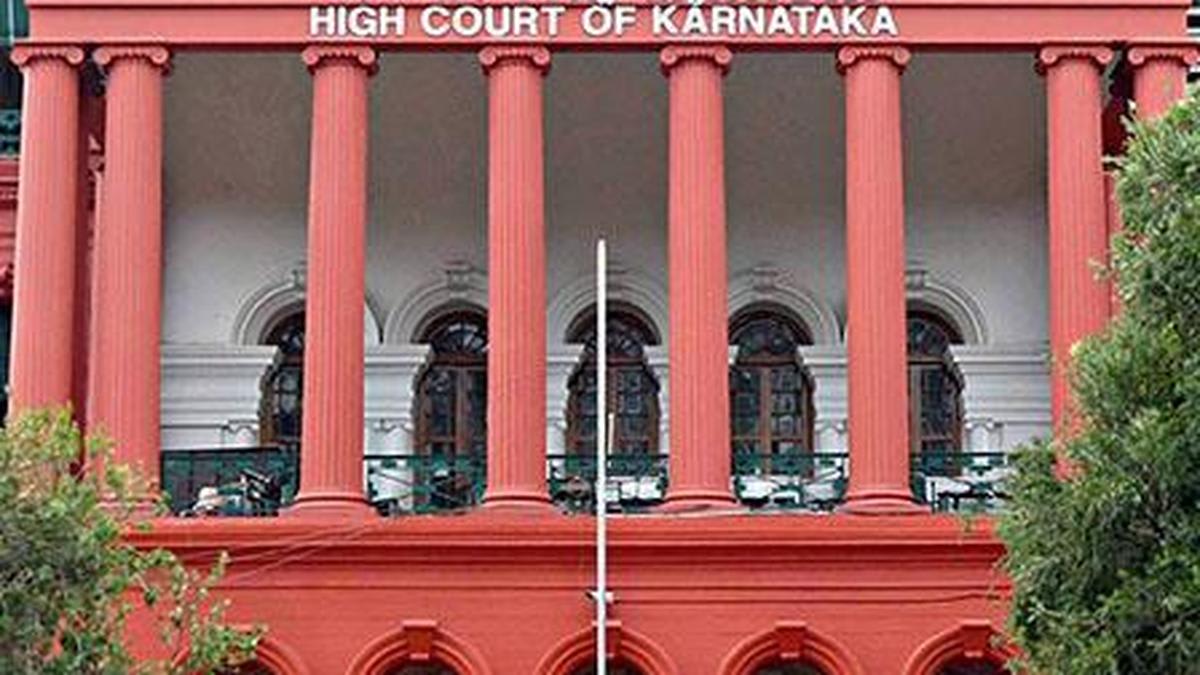
The Karnataka High Court has adjourned the hearing on a petition filed by KPSC chairperson Shivashankarappa S. Sahukar, who is challenging his suspension by the Governor on grounds of misbehaviour. The court is now seeking legal clarity on the extent of the Governor's powers in such administrative actions.
Judicial Scrutiny of Gubernatorial Authority: The KPSC Suspension Case
The Karnataka High Court's decision to defer the hearing on the suspension of Karnataka Public Service Commission (KPSC) chairperson Shivashankarappa S. Sahukar marks a critical juncture in the intersection of administrative law and constitutional authority. At the heart of this legal battle is a petition challenging the legality of the Governor's order, which suspended Sahukar based on allegations of 'misbehaviour.' By adjourning the matter to July 15 and specifically seeking clarity on the Governor's powers, the court is signaling that the exercise of such authority is not absolute and must be grounded in a clear legal framework.
The Constitutional Role of the KPSC and the Governor
To understand the gravity of this case, one must look at the role of the KPSC. As the primary body responsible for recruiting civil servants for the state, the KPSC must operate with a high degree of independence to ensure meritocracy and neutrality in government appointments. The Chairperson of the KPSC holds a constitutional position, designed to be insulated from arbitrary political interference. The Governor, acting as the constitutional head of the state, typically holds the power of appointment and removal; however, the process for removing or suspending such a high-ranking official is usually governed by strict procedural safeguards to prevent the misuse of power.
Legal Ambiguities Surrounding 'Misbehaviour'
One of the primary points of contention in this case is the term 'misbehaviour.' In administrative law, the suspension of a constitutional appointee cannot typically be based on mere allegations; it usually requires a preliminary inquiry or a prima facie finding of guilt. The High Court's request for 'clarity' suggests a need to determine whether the Governor acted within the scope of the law or if the suspension bypassed essential due process. If the court finds that the Governor's powers are limited by specific statutory procedures—such as the requirement for a formal commission of inquiry—the suspension could be deemed ultra vires (beyond legal power).
Broader Implications for State Governance
This case has implications that extend far beyond the individual career of Shivashankarappa S. Sahukar. A ruling that limits the Governor's discretionary power to suspend the KPSC chief would reinforce the independence of state commissions, protecting them from potential political whims. Conversely, a ruling in favor of the Governor would broaden the executive's oversight over constitutional bodies. The stability of the KPSC is paramount; any prolonged leadership vacuum or legal uncertainty at the top can delay recruitment cycles, affecting thousands of aspirants and the overall efficiency of the state's administrative machinery.
Historical Context of Executive-Judiciary Tensions
This dispute mirrors a broader trend across various Indian states where the role of the Governor—often seen as a representative of the central government—clashes with state-level appointments and administrative decisions. The judiciary frequently finds itself as the arbiter in these disputes, balancing the Governor's discretionary powers against the principles of natural justice and the autonomy of statutory bodies. The Karnataka High Court's cautious approach in seeking detailed legal clarity reflects a desire to set a precise precedent that avoids overstepping while ensuring that no official is deprived of their position without due process.
Conclusion and Future Outlook
As the court prepares for the July 15 hearing, the legal community will be watching closely to see how the court defines the boundaries of the Governor's authority. The outcome will likely hinge on the specific interpretation of the articles of the Constitution and the KPSC Act. Should the court find the suspension lacked a legal basis, it may order the immediate reinstatement of the chairperson. Ultimately, this case serves as a vital reminder that in a constitutional democracy, even the highest offices of the state are subject to the rule of law and judicial review.
Verification Required?