Karnataka Governor seeks authenticated English translations in Zameer prosecution file
Source Entity
India Latest News: Top National Headlines Today & Breaking News | The Hindu
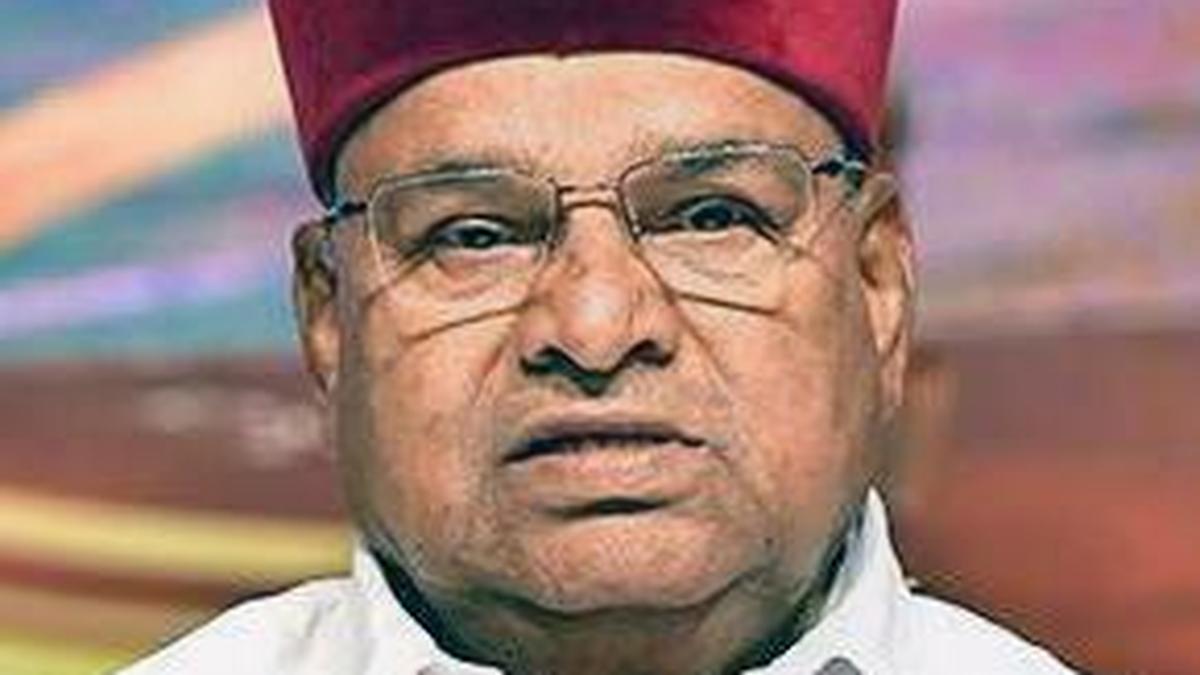
Karnataka Governor Thaawarchand Gehlot has requested authenticated English translations of evidence and documents submitted by the Lokayukta Police to evaluate the sanction for prosecuting former Minister B.Z. Zameer Ahmed Khan in a disproportionate assets case.
Procedural Diligence in the Zameer Ahmed Khan Prosecution
In a significant administrative development, Karnataka Governor Thaawarchand Gehlot has formally requested authenticated English translations of documents submitted by the Lokayukta Police. This request pertains to the case against B.Z. Zameer Ahmed Khan, a senior Congress leader and former Minister, who is facing allegations regarding the accumulation of disproportionate assets. The Governor's insistence on authenticated translations highlights the meticulous nature of the legal process required before a public servant can be prosecuted in a court of law.
The Legal Framework of Prosecution Sanction
To understand the significance of this move, it is essential to recognize the legal protections afforded to public servants in India. Under the Prevention of Corruption Act and the Code of Criminal Procedure, a 'sanction for prosecution' is a mandatory prerequisite before a court can take cognizance of offenses alleged to have been committed by a public servant in the discharge of their official duties. As the constitutional head of the state, the Governor holds the authority to grant or deny this sanction for ministers. By requesting authenticated translations, the Governor is ensuring that the evidence is transparent, unambiguous, and legally sound, thereby mitigating the risk of the case being dismissed later on technical grounds.
The Role of the Lokayukta and Disproportionate Assets
The Lokayukta Police, acting as the anti-corruption ombudsman in Karnataka, are tasked with investigating claims of financial irregularities. Disproportionate assets cases are particularly complex, as they require a detailed comparison between a public official's known legal sources of income and their actual accumulated wealth. The evidence typically involves vast amounts of property records, bank statements, and tax filings, often documented in the regional language, Kannada. The Governor's demand for English translations is a critical step in the administrative review process, ensuring that the high office can accurately assess the merits of the Lokayukta's findings.
Administrative Rigor and Language Barriers
While the state's primary administrative language is Kannada, the Governor's office often requires documents in English for formal record-keeping and legal scrutiny, especially when involving constitutional procedures. The requirement for "authenticated" copies is not merely a formality; it is a safeguard against translation errors that could potentially alter the meaning of financial evidence. In high-profile political cases, a single mistranslated term can become a loophole for the defense to challenge the prosecution's narrative, making this procedural step vital for the integrity of the judicial process.
Political Implications and Friction
This case occurs within a charged political atmosphere in Karnataka, where the relationship between the Raj Bhavan (the Governor's office) and the state government—led by the Congress party—is often under scrutiny. Because the Governor is appointed by the President of India (on the advice of the Central Government), any delay or specific request in the prosecution of a senior state minister can be interpreted through a political lens. However, by sticking to the procedural requirement of authenticated translations, the Governor maintains a stance of administrative neutrality, focusing on the legality of the documentation rather than the political identity of the accused.
Historical Context of Corruption Probes in Karnataka
Karnataka has a history of high-profile corruption probes led by the Lokayukta, which have previously seen the downfall of several top-tier politicians. The scrutiny of B.Z. Zameer Ahmed Khan follows a pattern of increased vigilance over the assets of political figures. These cases often serve as a litmus test for the state's commitment to transparency. The current focus on the documentation phase suggests that the authorities are building a comprehensive case to withstand the inevitable legal challenges that accompany disproportionate assets litigation.
Future Outlook and Conclusion
Moving forward, the trajectory of this case depends on the quality of the translations provided by the Lokayukta Police. Once the Governor is satisfied with the authenticated documents, he will either grant the sanction for prosecution or seek further clarification. If the sanction is granted, the case will move to the special courts, leading to a prolonged legal battle over the valuation of assets and sources of income. This event underscores the critical intersection of administrative law, linguistic accuracy, and political accountability in the Indian democratic system.
Verification Required?