Markets are sending troubling signals about the state of the economy
Source Entity
Myra P. Saefong
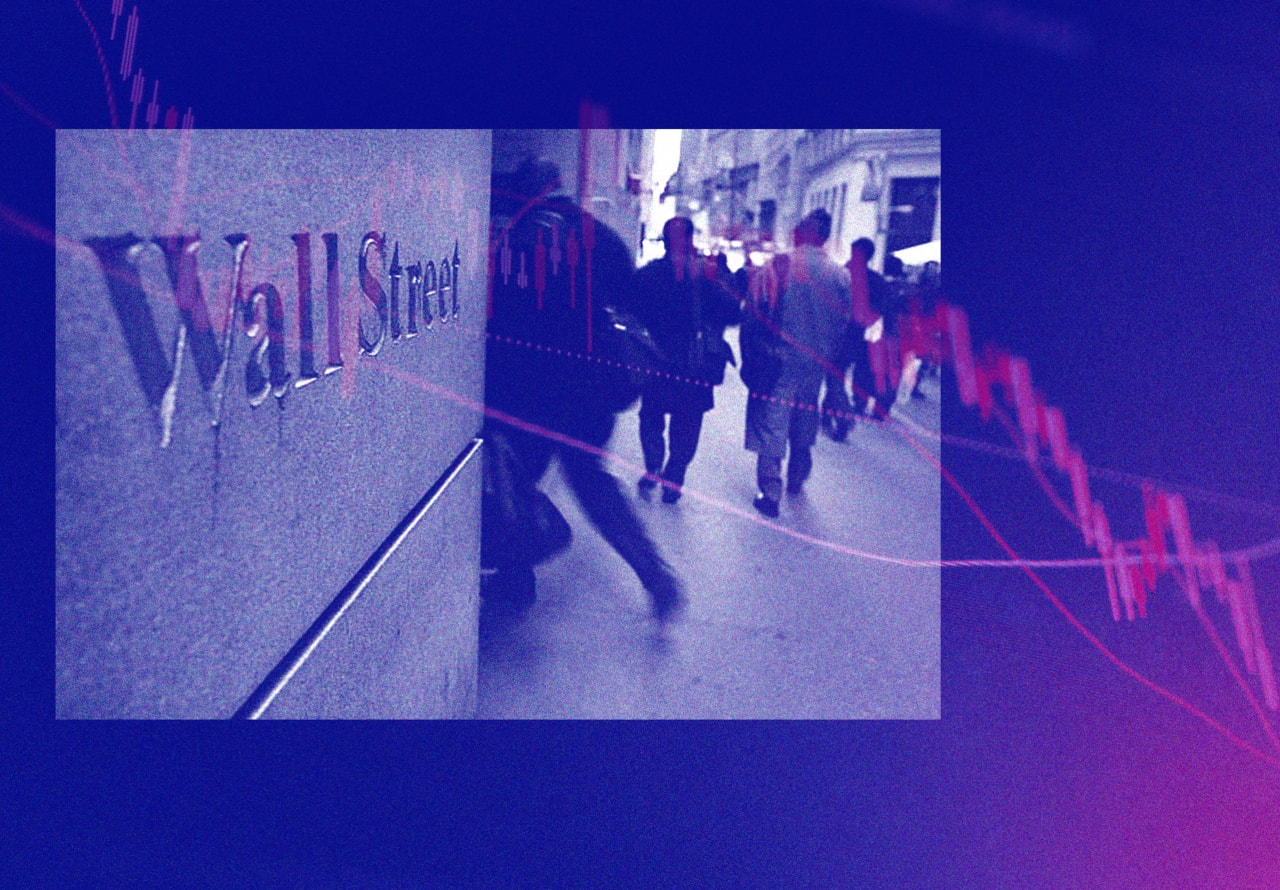
Financial markets are showing signs of stress through emerging recession trades despite currently stable economic data. This divergence suggests growing investor anxiety regarding the future trajectory of the global economy.
The Divergence Between Market Sentiment and Economic Data
Recent financial activity has revealed a growing disconnect between objective economic indicators and investor behavior. While macroeconomic reports continue to reflect a degree of resilience, market participants are increasingly positioning themselves for a potential downturn. This phenomenon, often referred to as the emergence of 'recession trades,' suggests that capital markets are pricing in future risks that have yet to manifest in official government data.
Understanding Recession Trades
Recession trades typically involve investors shifting capital away from cyclical assets—which thrive during economic expansions—toward defensive positions. This includes moving into government bonds, gold, or shares of companies with highly stable earnings. When investors begin to favor these 'safe haven' assets, it indicates a lack of confidence in the long-term sustainability of the current growth cycle, effectively acting as a market-driven hedge against future volatility.
The Role of Leading Indicators
Markets are often described as forward-looking mechanisms. While historical data like GDP and unemployment rates provide a snapshot of the past, stock and bond markets react to expectations. The current emergence of these trades suggests that while the economy has held up thus far, institutional investors are seeing cracks in the foundation, perhaps driven by persistent inflation, high interest rates, or tightening credit conditions that have not yet fully filtered through to the broader economy.
Historical Context of Market Signaling
History has shown that markets often anticipate recessions well before they are officially declared by institutions like the National Bureau of Economic Research. During previous cycles, the appearance of defensive sector rotation and inverted yield curves served as early warning systems. The current trend of recession-focused positioning mirrors these historical patterns, where the 'wisdom of the crowd' begins to discount future earnings long before a contraction is confirmed by lagging economic reports.
Broader Economic Implications
If these signals persist, they could lead to a self-fulfilling prophecy. As capital flows tighten and business sentiment worsens, corporations may proactively reduce investment and hiring, effectively slowing the economy down to match the pessimistic outlook of the markets. This feedback loop between financial sentiment and real-world economic activity is a critical factor that policymakers must monitor closely to prevent a localized slowdown from becoming a systemic crisis.
Future Trends and Outlook
Looking ahead, the primary concern for stakeholders is whether the resilience of the current economic data will eventually succumb to the mounting pressure signaled by the markets. If economic indicators begin to soften, the current defensive positioning will likely intensify, potentially leading to increased market volatility. Conversely, if growth persists despite these fears, we may see a violent 'short squeeze' where defensive investors are forced to re-enter riskier assets, creating significant price fluctuations in the process.
Verification Required?