JPMorgan, Visa, Mastercard hit by cyber incidents; data of thousands of customers leaked
Source Entity
TRISHA MAHAJAN
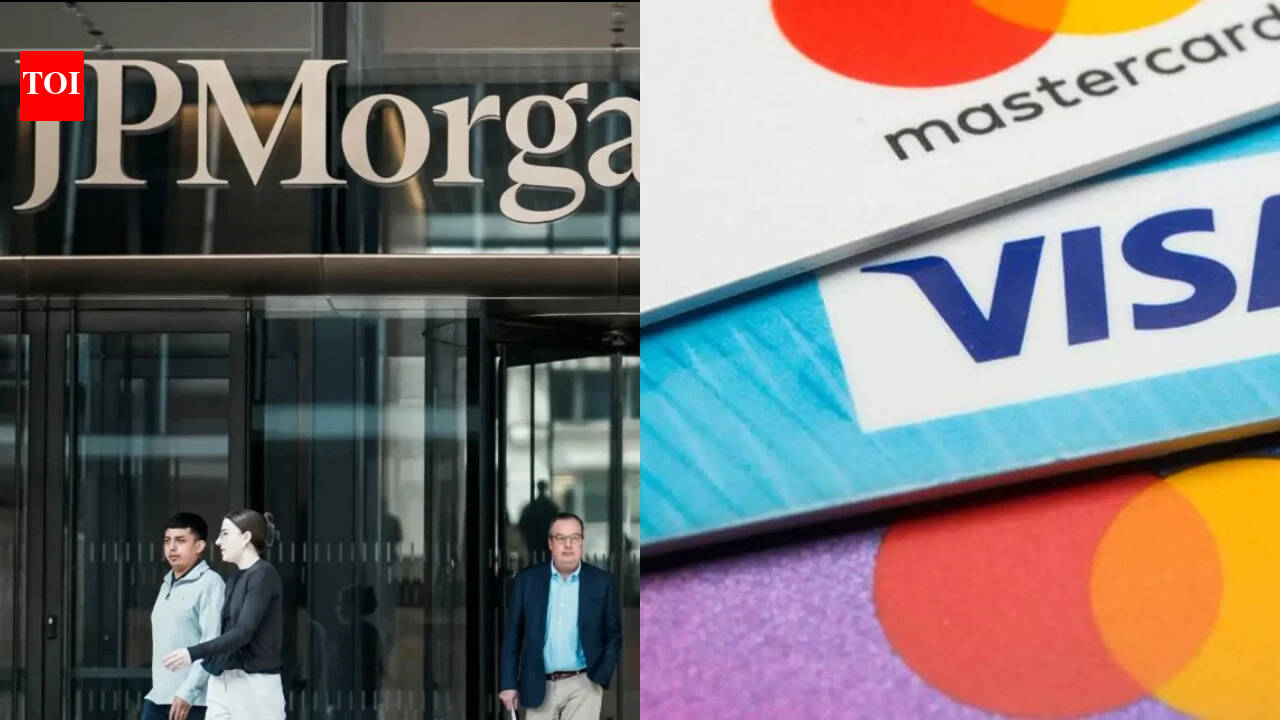
Visa, Mastercard, and JPMorgan Chase have confirmed data breaches stemming from third-party vendor cyberattacks. While customer contact information was exposed, all three institutions stated that their core payment networks and card details remain secure.
Analysis of Recent Third-Party Data Exposures
The Scope of the Incident
Major financial institutions and payment giants, specifically Visa, Mastercard, and JPMorgan Chase, have recently confirmed that they were subject to cyber incidents originating from third-party service providers. While these entities are often the primary targets for cybercriminals, the exposure in this instance was limited to the vendors they utilize rather than the internal infrastructures of the banks or payment networks themselves. The breach resulted in the unauthorized access of customer contact information, including names, email addresses, phone numbers, and postal codes.
Distinguishing Vendor Risk from Core Infrastructure
A crucial takeaway from these reports is the explicit confirmation that the core payment processing networks of Visa and Mastercard were not compromised. This distinction is vital for public trust, as it separates the integrity of global financial transactions from the security of auxiliary marketing or service databases. By maintaining the sanctity of their payment systems, these companies have prevented a systemic financial crisis, though the exposure of personal data remains a significant privacy concern for the affected individuals.
The Vulnerability of the Third-Party Ecosystem
This incident highlights a growing trend in cybersecurity where attackers bypass hardened corporate perimeters by targeting weaker links in the supply chain. Financial institutions rely on dozens, if not hundreds, of third-party vendors for marketing, data analytics, and administrative support. These vendors may not always possess the robust cybersecurity budgets or protocols of a major global bank, creating a 'blind spot' that hackers are increasingly exploiting to harvest PII (Personally Identifiable Information).
Regulatory and Institutional Response
Following the disclosure of these leaks, financial institutions have initiated direct communication with affected customers to mitigate the impact of the data exposure. The incident has also triggered internal investigations and has drawn the attention of regulatory bodies concerned with vendor risk management. As these institutions work to identify the specific vulnerabilities within their vendor network, regulators are expected to demand higher standards of due diligence for third-party partnerships.
Future Trends in Data Security
Looking forward, this event serves as a catalyst for a shift in how major corporations manage vendor relationships. We can anticipate a move toward 'Zero Trust' architecture, where even trusted third-party vendors are subject to more granular access controls and continuous security monitoring. Furthermore, as data privacy laws become more stringent globally, the legal and financial liability for vendor-related breaches will likely force companies to prioritize cybersecurity audits as a fundamental component of procurement processes.
Conclusion
While the breach of customer data at JPMorgan, Visa, and Mastercard is an unsettling reminder of modern digital vulnerabilities, the integrity of the underlying financial payment systems remains intact. The focus now shifts to how these organizations will overhaul their vendor security protocols to prevent future leaks of sensitive consumer information.