Marriott International (MAR)’s Middle East Headwind Eases, but War Risks Remain
Source Entity
Yahoo Finance
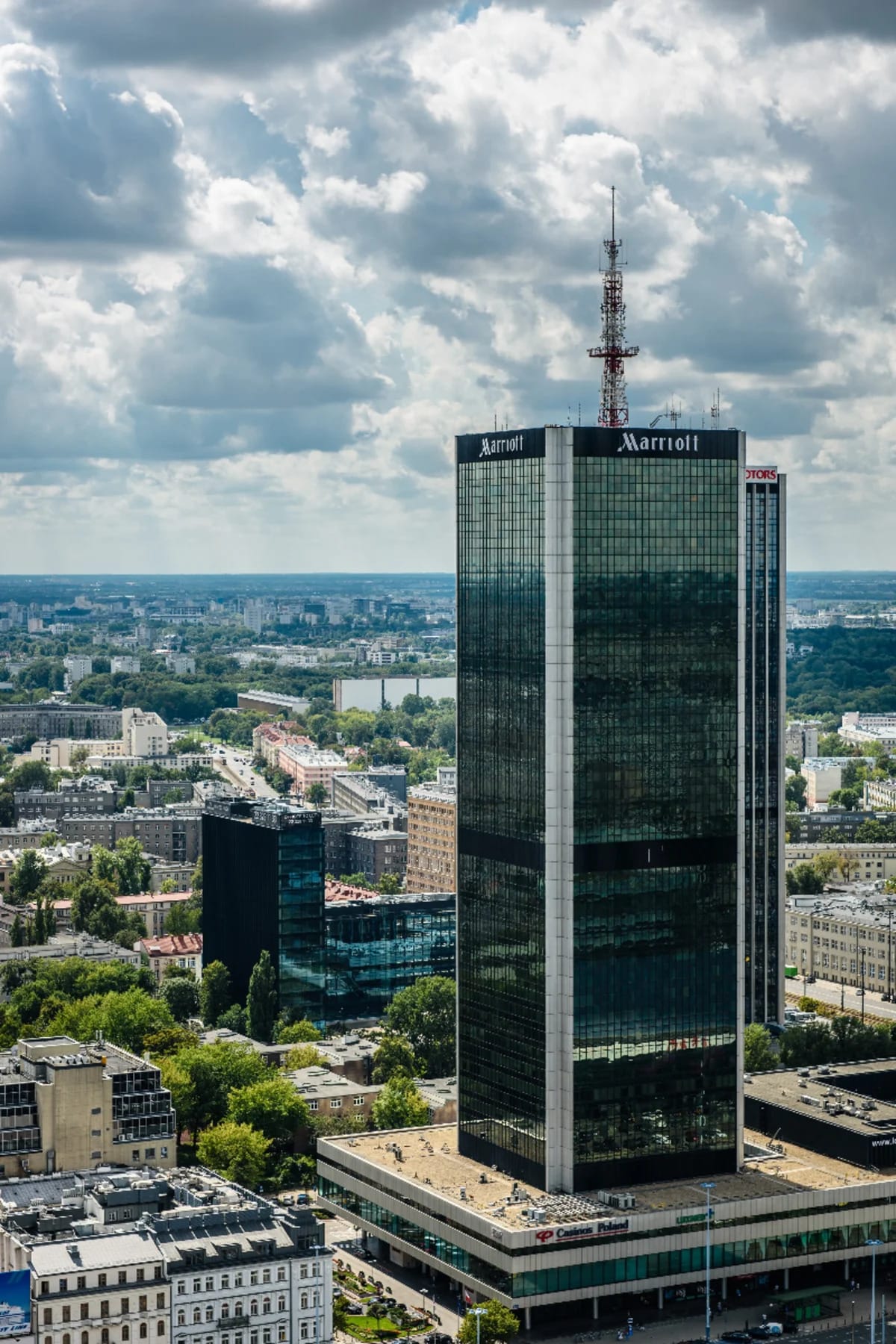
Marriott International shows resilient recovery in Middle East RevPAR despite ongoing regional conflicts. While the region remains a growth risk, strong global performance in the U.S. and Canada offsets localized volatility.
Marriott International: Navigating Regional Volatility and Global Growth
Marriott International (NASDAQ:MAR) has demonstrated a notable rebound in its Middle Eastern operations as of July, with revenue per available room (RevPAR) reporting a 12% year-over-year decline. While a double-digit decline might typically signal weakness, this figure represents a significant recovery from the 43% collapse observed during the second quarter. This improvement suggests that despite the persistent shadow of regional conflict, the underlying demand for hospitality services in the Middle East is proving far more resilient than initial financial projections had anticipated.
Assessing the Regional Risk Profile
Despite this recovery, the Middle East continues to present a complex risk factor for Marriott's long-term strategic planning. Currently, the region accounts for approximately 3% of the company's total global fees. However, the risk is amplified when looking at the company's future footprint, as the Middle East represents 6% of Marriott’s global development pipeline. A prolonged or escalating conflict could disproportionately impact the timeline for these future hotel openings, potentially stalling the company's expansion goals in a high-growth market.
Global Performance as a Stabilizer
While the Middle East remains a source of uncertainty, Marriott’s broader global operations provide a robust hedge against localized instability. In July, the company reported a 7% increase in global room revenue, bolstered significantly by strong performance in the U.S. and Canada, which saw an 8% uptick. This geographic diversification is critical; it allows a global hospitality leader to absorb shocks in volatile regions while maintaining steady growth in more stable, mature markets.
The Impact of Geopolitics on Hospitality
The hospitality sector is uniquely sensitive to geopolitical instability, as travel demand is often the first casualty of regional insecurity. Marriott’s ability to narrow its RevPAR decline from 43% to 12% in such a short window underscores the firm's operational agility. However, the reliance on a healthy development pipeline in the Middle East means that management must balance the current recovery against the possibility of future supply-chain or construction disruptions caused by regional tensions.
Future Outlook and Strategic Implications
Moving forward, investors will likely monitor the tension between Marriott's successful recovery in current operations and the looming threat to its expansion projects. If the conflict remains contained, Marriott may see its Middle Eastern business return to positive growth territory sooner than expected. However, the company's heavy concentration of future development in the region suggests that its growth strategy is tethered to the geopolitical stability of the area, necessitating a cautious but optimistic outlook for the remainder of the fiscal year.