Architect of UK’s AI strategy joins Anthropic amid conflict of interest warning
Source Entity
Dan Milmo, Robert Booth and Kiran Stacey
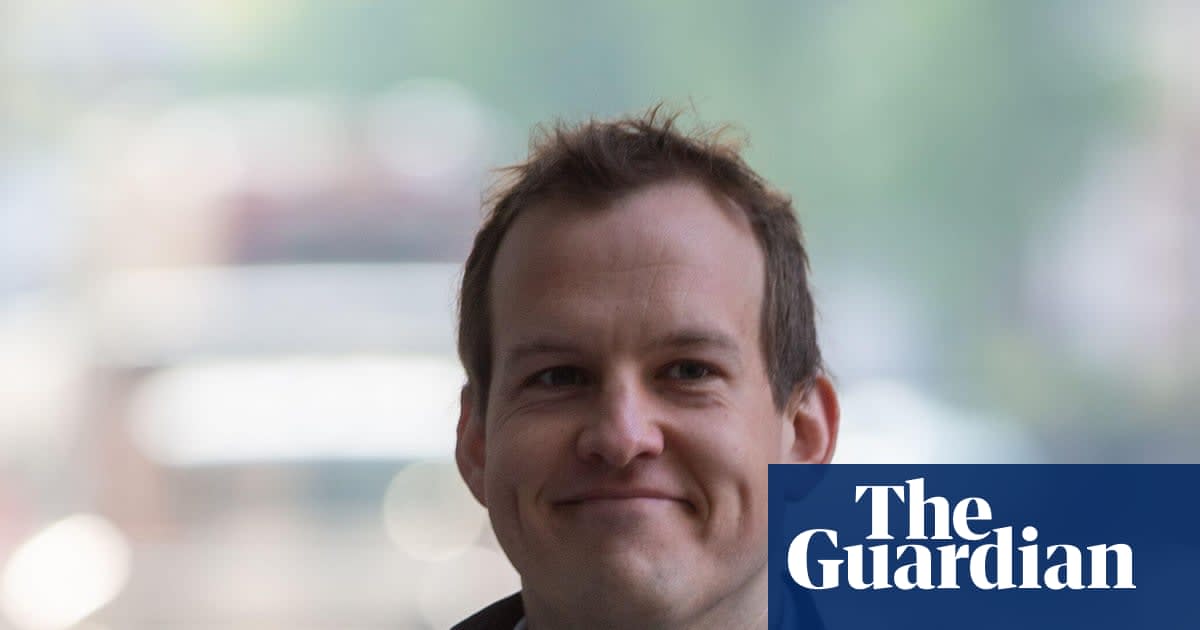
Matt Clifford, former UK government AI adviser, has joined Anthropic as managing director. This appointment has drawn criticism from lawmakers due to his concurrent role at the government-backed Aria funding body.
The Intersection of Governance and Private AI Interests
The recent appointment of Matt Clifford, the former architect of the UK’s artificial intelligence strategy, to the position of managing director for international affairs at the US-based AI startup Anthropic, has ignited a significant debate regarding the ethics of the 'revolving door' phenomenon in the technology sector. Clifford, a prominent tech investor, previously served as an AI opportunities adviser to Prime Minister Keir Starmer before stepping down from that unpaid post after six months. His transition to a senior role at the company behind the Claude chatbot marks a pivotal moment in the ongoing relationship between state AI policy and private industry development.
Conflict of Interest Concerns
The move has drawn immediate scrutiny from Parliament, most notably from Chi Onwurah, the chair of the House of Commons science, innovation and technology committee. Onwurah has explicitly warned that Clifford’s decision to maintain his position as the chair of the Advanced Research and Invention Agency (Aria)—a government-backed funding body—while simultaneously serving in a high-level executive role at a major AI firm, constitutes a "clear conflict of interest." This critique highlights the tension between utilizing private-sector expertise in public office and the potential for regulatory capture or preferential influence.
The Role of Aria and Public Funding
At the heart of the controversy is Aria, an organization designed to fund high-risk, high-reward scientific research. Because Aria operates with public funds, its leadership is expected to maintain a degree of neutrality that is now being questioned. By remaining at the helm of a government-funded entity while representing Anthropic’s interests to international governments, Clifford occupies a unique space where private corporate strategy could theoretically align with, or diverge from, the UK’s strategic interests in AI safety and development. This dual role creates a perception of blurred boundaries that critics argue could undermine public trust in government-sponsored innovation.
Broader Implications for Global AI Policy
This appointment is not merely a professional transition; it is a reflection of the intense global competition for influence in the AI sector. As Anthropic seeks to expand its footprint outside the US, Clifford’s role will be to manage government engagement, effectively placing him in a position to influence policy dialogues that he previously helped shape from the inside. This development underscores the necessity for more robust guidelines regarding the movement of individuals between high-level government advisory roles and the private AI corporations that those same governments are currently attempting to regulate.
Future Trends in Tech Governance
Looking ahead, this situation likely signals a shift in how governments manage conflicts of interest in the era of rapid AI integration. As the UK and other nations attempt to balance the need for tech-savvy leadership with the imperative of institutional integrity, we may see stricter "cooling-off" periods or more rigid divestment requirements for advisers. The outcome of the current parliamentary pressure on Clifford will serve as a bellwether for how the UK handles the intersection of public oversight and private sector advancement in the years to come.