"MBS Won't Forget": Ex-US Official On Trump Not Helping Saudi Against Houthis
Source Entity
NDTV News Search Records Found 1000
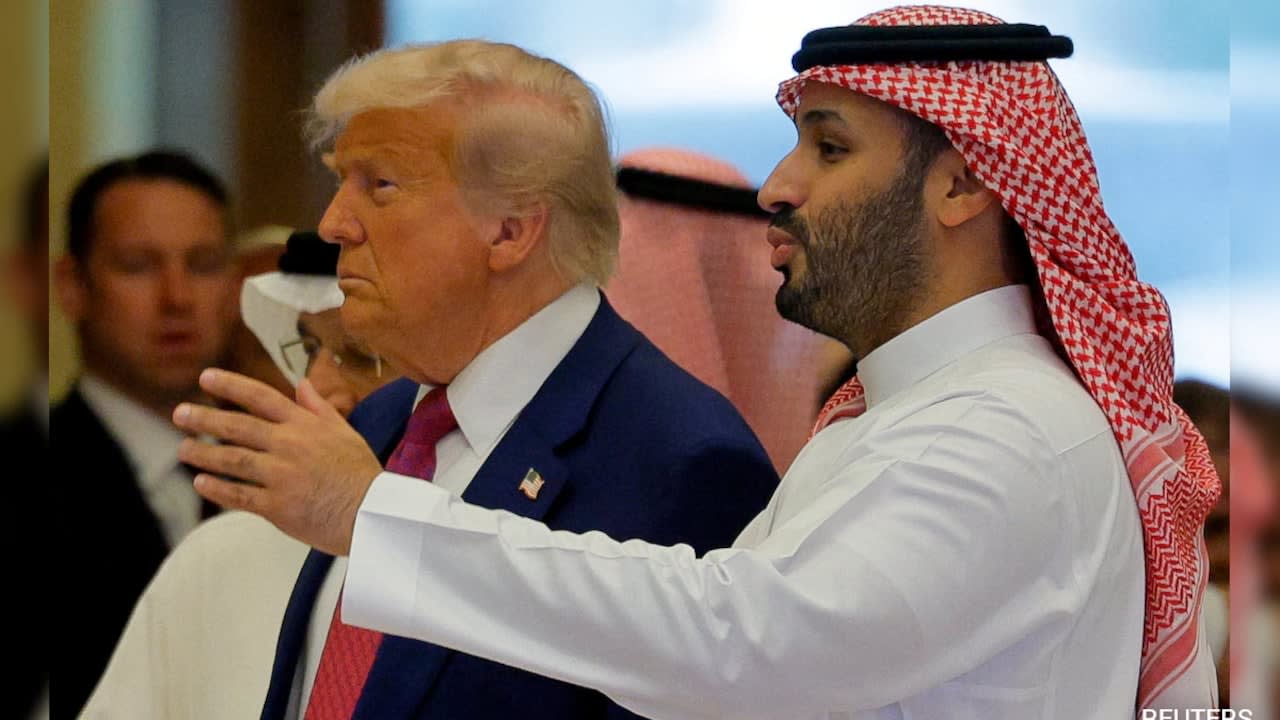
Tensions between Washington and Riyadh are rising following reports that former President Donald Trump declined to intervene against Houthi threats during his administration. This decision has reportedly left a lasting impression on Saudi leadership, signaling a shift in bilateral expectations.
The Cooling of a Strategic Partnership
The revelation that former US officials characterized Saudi Crown Prince Mohammed bin Salman (MBS) as someone who "won't forget" the lack of American support against Houthi aggression marks a significant inflection point in US-Saudi relations. For decades, the cornerstone of this alliance was the promise of mutual security, particularly regarding energy stability and regional defense. When that perceived guarantee wavers, it recalibrates the entire geopolitical landscape of the Middle East.
The Houthi Factor and Regional Security
The Houthi insurgency in Yemen has long served as a proxy theater for broader regional rivalries. By choosing not to intervene or provide robust assistance against Houthi threats, the Trump administration signaled a departure from the traditional interventionist doctrine. This has forced Riyadh to reassess its reliance on Western military hardware and diplomatic backing, potentially pushing the Kingdom toward a more autonomous—and perhaps unpredictable—defense posture.
Psychological Dimensions of Diplomacy
In the realm of international relations, perception is often as potent as policy. The assertion that MBS harbors a long-term memory of this perceived abandonment suggests that future diplomatic engagements will be filtered through this experience. Trust, once eroded, is notoriously difficult to restore. This creates a transactional environment where Saudi Arabia may prioritize its own immediate security interests over traditional alignment with US policy objectives.
Broader Implications for Washington
This tension creates a vacuum that other global powers are eager to fill. As Riyadh seeks to diversify its security partnerships, the US risks losing its role as the primary guarantor of stability in the Gulf. The decision not to help against Houthi threats serves as a case study in how domestic political shifts in the US can have profound, long-lasting consequences for foreign policy and global alliances.
Future Trends in Saudi Foreign Policy
Moving forward, we can expect Saudi Arabia to continue its trend of 'strategic hedging.' By engaging with multiple global players and prioritizing regional de-escalation on its own terms, the Kingdom is signaling that it will no longer be a passive recipient of US security guarantees. The era of unconditional reliance on Washington appears to be ending, replaced by a more pragmatic and assertive Saudi foreign policy that places the Crown Prince's vision of national interests above all else.
Verification Required?