Telangana AYUSH doctors call off 28-day strike after Health Minister assures stipend hike
Source Entity
India Latest News: Top National Headlines Today & Breaking News | The Hindu
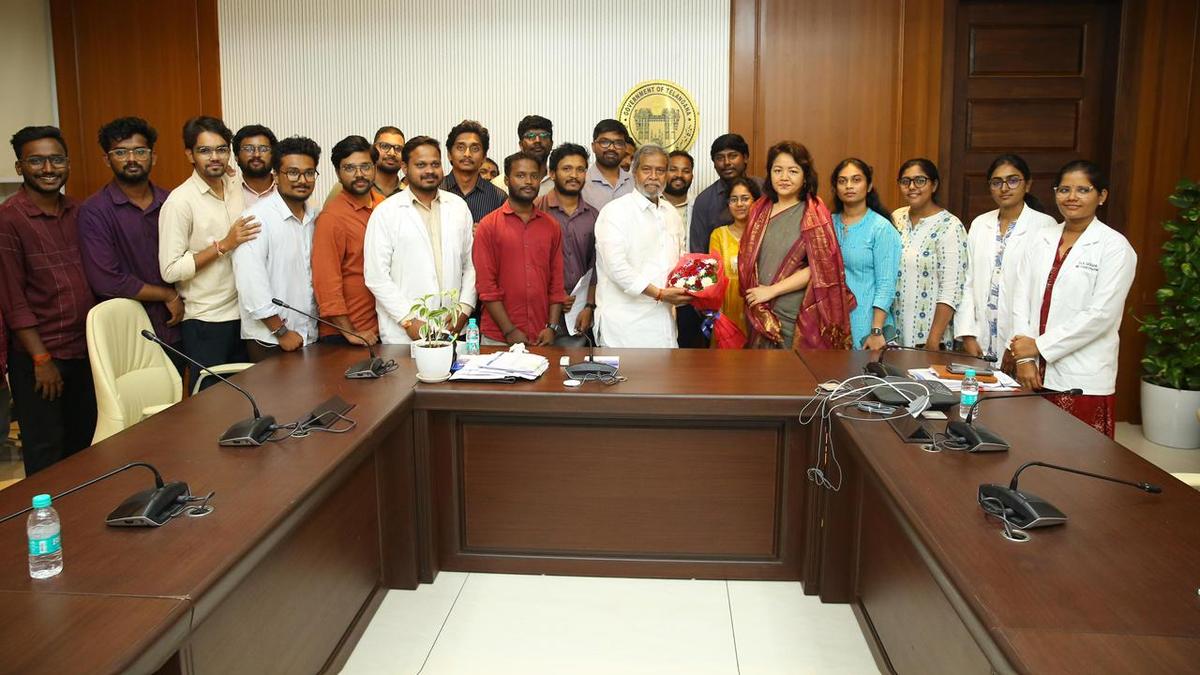
Medical interns and AYUSH doctors across Telangana and Jammu & Kashmir are protesting for stipend parity. While Telangana has reached a breakthrough, J&K interns continue to demand an increase to match national standards.
The Growing Crisis of Medical Stipends in India
Across India, the medical education sector is witnessing a wave of unrest as interns and post-graduate doctors demand financial parity. In Telangana, the 28-day strike by AYUSH students, house surgeons, and postgraduate doctors concluded following a direct intervention by Health Minister C. Damodar Raja Narasimha. This resolution highlights a critical tension between the state's fiscal planning and the professional expectations of medical trainees who provide essential frontline care.
The Demand for Parity and Economic Justice
The core of these protests lies in the disparity between the stipends paid to medical professionals and the rising cost of living and professional demands. In Jammu & Kashmir, MBBS and BDS interns are currently striking to demand an increase from Rs 12,300 to Rs 30,000 per month. Protesters in the region have pointed out that their current stipend has remained stagnant for seven years, a period during which inflation has significantly eroded their purchasing power. They argue that their labor—which includes 24-hour shifts and rural postings—is fundamentally undervalued.
Regional Disparities and National Standards
Medical interns in J&K have highlighted a stark discrepancy compared to their peers in other states, where monthly stipends often range between Rs 25,000 and Rs 45,000. This regional inequality creates a sense of systemic neglect. The argument for parity is not merely financial but professional; trainees perform the same duties regardless of their location, yet their compensation varies wildly based on state-specific budget allocations and policy prioritization.
Institutional Recommendations vs. Implementation
A recurring theme in these protests is the gap between bureaucratic recommendations and actual implementation. In J&K, protesters referenced a 2023 health and medical education department committee report that recommended a stipend hike to Rs 25,000. The failure to act on these expert recommendations has fueled the current indefinite strike, as students feel that their contributions are ignored by the very institutions that rely on their labor for daily hospital operations.
The Role of Political Advocacy
Political intervention has become a key catalyst in these labor disputes. In Kashmir, the Pradesh Congress chief, Tariq Hameed Karra, has formally escalated the issue to Chief Minister Omar Abdullah. By highlighting that current stipends fail to cover basic costs like commuting, political figures are bringing public visibility to the grueling nature of medical training, characterized by 36-hour shifts and immense patient workloads.
Future Trends and Implications
The successful resolution in Telangana may serve as a blueprint for other regions, yet it also sets a precedent that will likely lead to increased agitation in states where stipends remain low. As the healthcare infrastructure continues to rely heavily on the labor of interns and residents, governments will face increasing pressure to standardize stipends to ensure the sustainability of public health services. Moving forward, the alignment of state policies with national cost-of-living standards will be essential to prevent future service disruptions in public hospitals.
Multiple Citing Sources
Verification Required?