'Pura Army Checkpost Uda Dunga': Chats Surface After UP Man's Arrest
Source Entity
NDTV News Search Records Found 1000
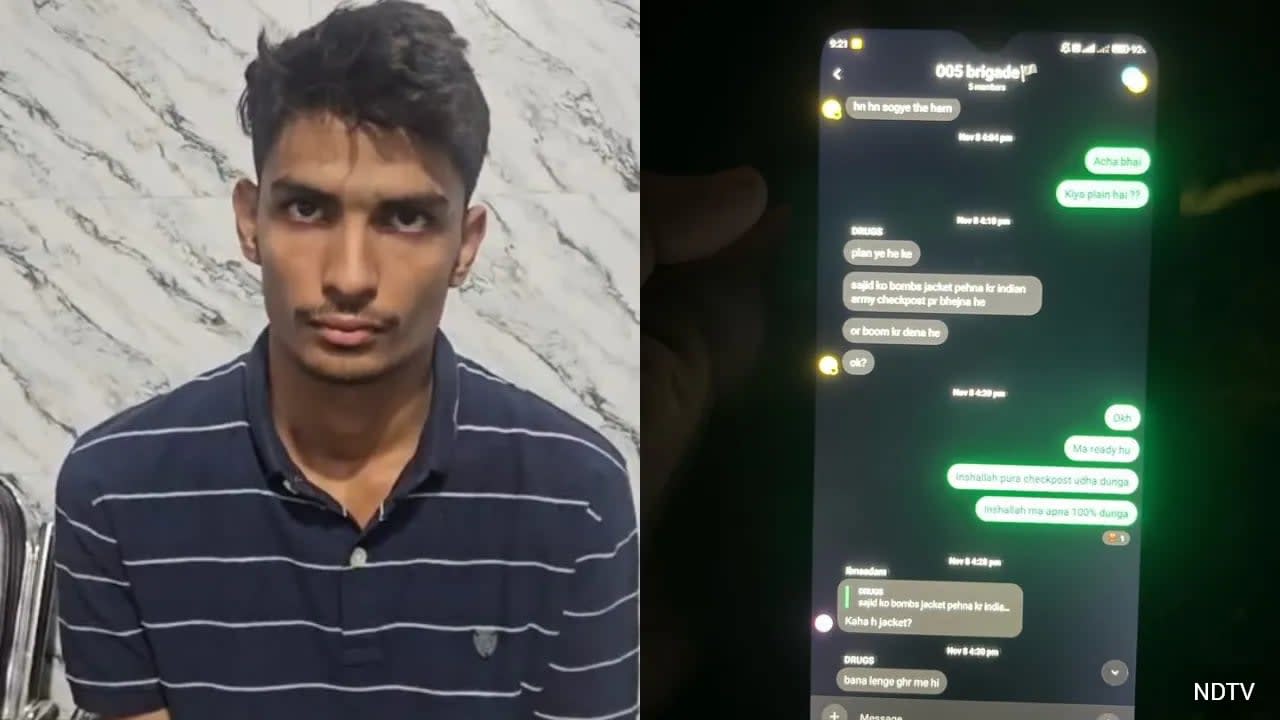
Meerut police have arrested 22-year-old Uzaid for his alleged involvement in a Pakistan-backed terror plot targeting an Army camp. The suspect, influenced by extremist content, was working with a Jammu-based associate to facilitate a suicide attack.
Arrest of Uzaid: Uncovering a Cross-Regional Terror Plot
In a significant counter-terrorism operation, the Uttar Pradesh Police have apprehended 22-year-old Uzaid, a resident of Meerut’s Baniyapada locality, for his alleged involvement in a conspiracy to conduct a 'fidayeen' (suicide) attack on an Army camp. The arrest, executed through a joint effort by the Kotwali police and the SWAT team, marks a critical breakthrough in a terror-related case that originated in Jammu and Kashmir last year.
The Mechanics of Radicalization and Online Networks
According to Senior Superintendent of Police (SSP) BBGTS Murthy, Uzaid’s path to radicalization was facilitated by the consumption of 'anti-India' content across social media platforms like Instagram and YouTube. The investigation suggests he was deeply influenced by Masood Azhar, the leader of the Pakistan-based terror group Jaish-e-Mohammed. This highlights a growing trend where digital echo chambers serve as recruitment and indoctrination hubs for youth, transcending geographical boundaries to incite violence against state institutions.
Cross-Border Collusion and Operational Links
Evidence gathered by law enforcement indicates that Uzaid did not act in isolation. He was reportedly in active communication with Mohammad Sajid, a resident of Jammu. Together, they operated an online network allegedly supported by Shahzad Bhatti, a Pakistani gangster. This nexus underscores the complex, multi-layered nature of modern terror operations, where local actors are managed by cross-border entities to facilitate large-scale destabilization efforts.
Historical Context and Previous Evasion
This arrest follows a protracted manhunt. J&K Police, in collaboration with local authorities, had previously raided Uzaid’s residence in both January and February of this year, though he managed to evade capture at that time. The case, originally registered at the Bahu-Fort police station in Jammu, involves serious charges including conspiracy, abetment, and inciting terror, reflecting the gravity of the planned 'fidayeen' attack.
Implications for National Security
The discovery of threatening communications, including explicit claims such as 'Pura Army Checkpost Uda Dunga,' underscores the immediate threat posed by these radicalized networks. The coordination between UP Police and J&K Police highlights the necessity of inter-state intelligence sharing in curbing the spread of terror plots. The transfer of custody to J&K authorities will be the next step in dismantling this specific cell and further interrogating the depth of the Pakistan-backed influence on the accused.
Future Trends in Counter-Terrorism
As digital platforms continue to be weaponized for recruitment, the case of Uzaid serves as a stark warning to security agencies regarding the vulnerability of youth to online extremist propaganda. Moving forward, the focus will likely remain on monitoring encrypted communication channels and identifying the broader infrastructure that connects local radicalized individuals with foreign-based handlers, aiming to intercept such threats before they materialize into physical acts of violence.
Verification Required?