Italian PM files to trademark her voice against AI threats
Source Entity
BBC News
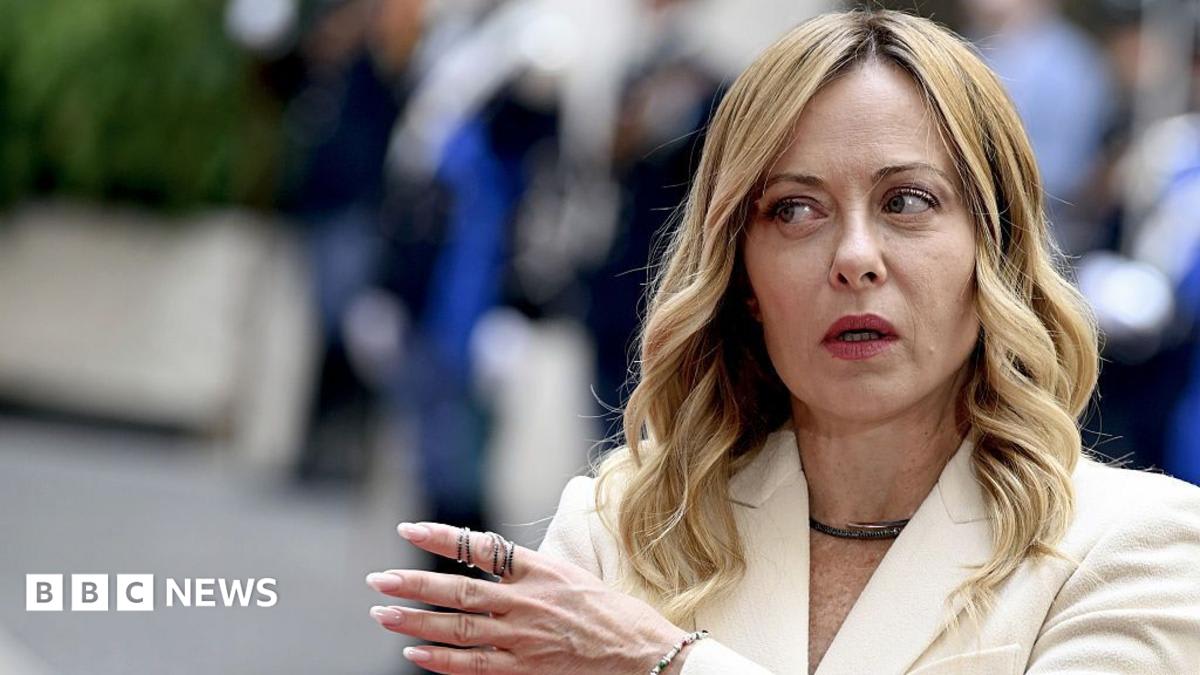
Italian Prime Minister Giorgia Meloni has applied to trademark her voice with the EUIPO to combat unauthorized AI deepfakes. This move follows similar protective actions taken by high-profile figures like Matthew McConaughey and Taylor Swift.
The Precedent of Digital Identity Protection
Italian Prime Minister Giorgia Meloni’s recent decision to trademark her voice with the European Union Intellectual Property Office (EUIPO) marks a significant escalation in the intersection of political governance and artificial intelligence security. By submitting a four-second audio clip of herself stating, "Io sono Giorgia," Meloni is attempting to establish a legal framework that treats personal biometric identifiers as intellectual property. This move is a proactive defense mechanism against the rising tide of deepfake technology, which has the potential to manipulate political discourse by creating hyper-realistic audio fabrications of world leaders.
The Mechanics of the Trademark
The application, which was officially filed on Monday, signals a shift in how public figures view their digital footprint. By registering her voice, Meloni is not merely protecting a personal brand but is effectively creating an evidentiary standard. Should an AI platform or malicious actor generate content utilizing her voice, this trademark provides a clear, legally recognized baseline for identifying unauthorized use. This move is particularly relevant given the rapid advancement of voice-cloning software, which can now replicate human speech patterns with minimal training data.
A Growing Trend Among Public Figures
Meloni is not a lone actor in this legal arena; she joins a burgeoning movement of high-profile individuals seeking to reclaim control over their digital likenesses. In January, actor Matthew McConaughey took similar steps by filing to trademark both his image and voice. Furthermore, in April, singer Taylor Swift submitted multiple trademark applications in the United States, including those tied to her stage imagery. These actions demonstrate a collective recognition that traditional publicity rights are insufficient in the age of generative AI, necessitating a formal intellectual property approach.
Broader Political Implications
The implications for democratic stability are profound. When a national leader feels compelled to trademark their own voice to prevent disinformation, it highlights the severity of the threat posed by synthetic media. Deepfakes have the capacity to destabilize markets, incite public unrest, or create false diplomatic crises. By formalizing these protections, the Italian Prime Minister is highlighting a systemic vulnerability that current international laws are struggling to address, potentially setting a precedent for other European leaders to follow.
Future Trends in Digital Governance
As AI continues to democratize the creation of synthetic media, we can expect a surge in trademark and copyright litigation surrounding biometric data. The case of Giorgia Meloni will likely serve as a case study for the EUIPO and other regulatory bodies as they navigate the complexity of protecting human identity in a digital landscape. Moving forward, governments may need to develop comprehensive legislative frameworks that extend beyond simple trademarking to include robust enforcement mechanisms against platforms that host or facilitate the creation of unauthorized synthetic clones of public officials.
Conclusion
In summary, the filing by the Italian Prime Minister is a strategic response to a technological environment where the line between reality and simulation is increasingly blurred. By leveraging intellectual property law, Meloni is attempting to fortify her identity against the existential risks posed by deepfakes. This development underscores an urgent need for global standards in digital identity protection, as the race between synthetic media capabilities and legal safeguards becomes a central feature of the modern political era.